

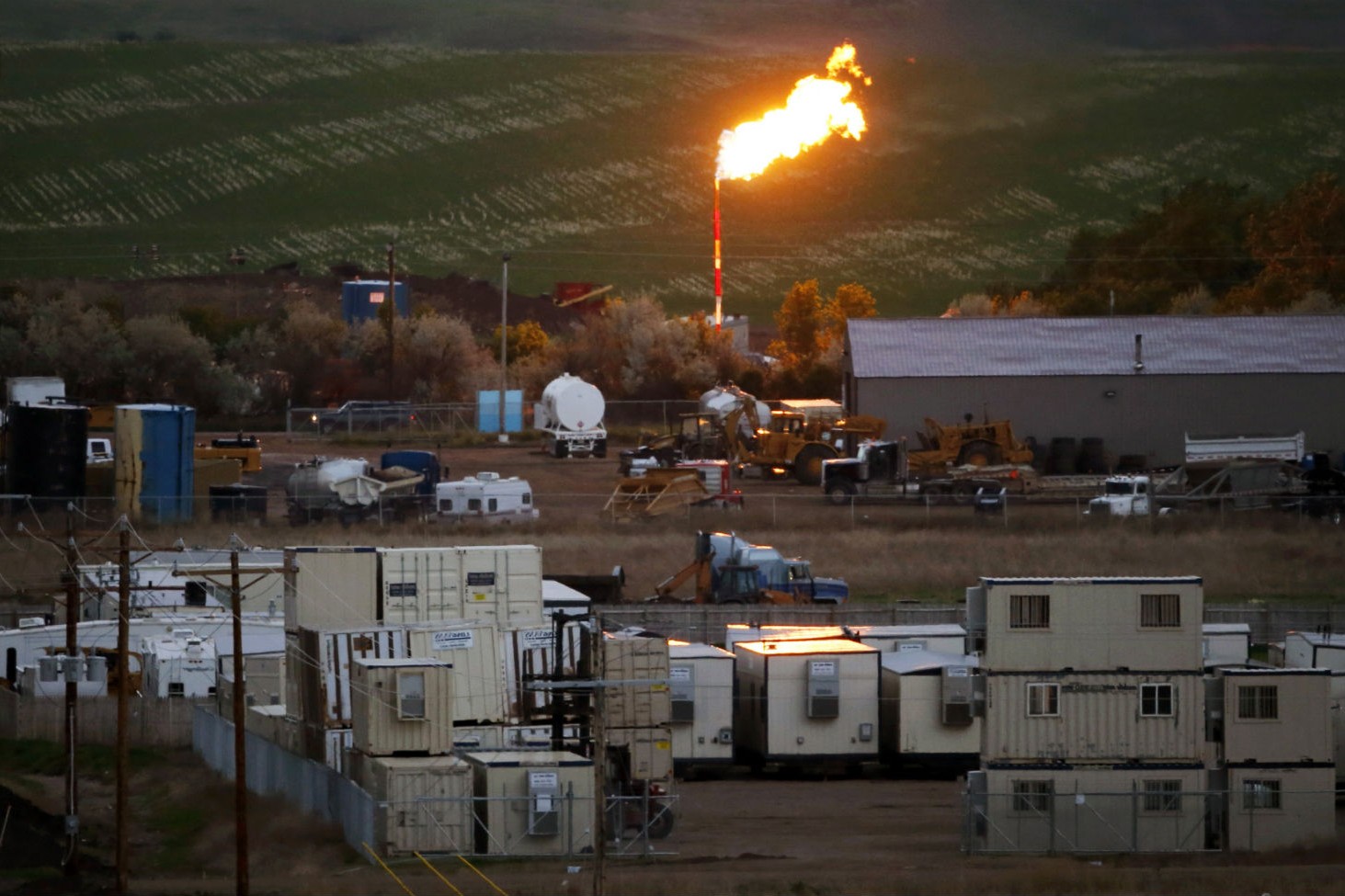
North Dakota's Bakken Formation hides a dozen small towns shaped by the oil boom, each with its own museums, historic sites, and outdoor recreation. Watford City, Williston, Stanley, Tioga, New Town, Killdeer, Belfield, Bowman, Crosby, and Parshall all sit within striking distance of the region's dramatic Badlands and prairie landscapes.
1. Watford City
Watford City is a bustling hub in the heart of the Bakken Formation. Despite its growth due to the oil industry, it retains a small-town feel.
- Long X Trading Post Visitor Center: Learn about the area's history and the impact of the oil boom.
- Theodore Roosevelt National Park: Just a short drive away, this park offers stunning landscapes and wildlife.
2. Williston
Williston is another key town in the Bakken region, known for its rich history and vibrant community.
- Fort Union Trading Post: Step back in time at this historic site, once a major fur trading post.
- Missouri-Yellowstone Confluence Interpretive Center: Discover the natural history of the area where two mighty rivers meet.
3. Stanley
Stanley is small but packs a punch with its welcoming atmosphere and local attractions.
- Pioneer Village Museum: Explore the history of Mountrail County through its preserved buildings and artifacts.
- Lostwood National Wildlife Refuge: A haven for bird watchers and nature lovers.
4. Tioga
Tioga is often called the "Oil Capital of North Dakota." This town has a rich oil history and a strong community spirit.
- Tioga Heritage Museum: Dive into the town's oil history and see artifacts from its early days.
- Norsk Hostfest: Celebrate Norwegian culture with this annual festival featuring food, music, and crafts.
5. New Town
New Town is located on the Fort Berthold Indian Reservation. It offers a unique blend of Native American culture and modern amenities.
- Earth Lodge Village: Experience traditional Mandan, Hidatsa, and Arikara culture.
- Four Bears Bridge: This impressive bridge offers stunning views of Lake Sakakawea.
6. Killdeer
Killdeer is known for its rugged beauty and outdoor activities.
- Killdeer Mountain Battlefield State Historic Site: Learn about the significant battle that took place here during the Dakota War of 1862.
- Little Missouri State Park: Perfect for hiking, horseback riding, and enjoying the great outdoors.
7. Belfield
Belfield is a small town with a big heart. It's a gateway to some of North Dakota's most beautiful landscapes.
- Painted Canyon Visitor Center: Get breathtaking views of the Badlands and learn about the area's geology.
- South Unit of Theodore Roosevelt National Park: Explore this part of the park, known for its scenic drives and hiking trails.
8. Bowman
Bowman is a charming town with a rich history and plenty of outdoor activities.
- Pioneer Trails Regional Museum: Discover the history, paleontology, and archaeology of the region.
- Bowman Haley Dam and Recreation Area: Enjoy fishing, boating, and camping in this serene setting.
9. Crosby
Crosby is a small town with a strong sense of community and a rich cultural heritage.
- Pioneer Village and Museum: Step back in time and explore the history of Divide County.
- Dakota Theatre: Catch a show at this historic theater, a community staple since 1914.
10. Parshall
Parshall is a quaint town with a unique history and beautiful surroundings.
- Paul Broste Rock Museum: Marvel at the stunning rock and mineral collection in this one-of-a-kind museum.
- Van Hook Arm Recreation Area: Enjoy water sports, fishing, and camping on Lake Sakakawea.
What to Know Before You Go
The oil boom has transformed these towns, bringing jobs and rapid growth, but also housing shortages and traffic. Many of the museums and visitor centers were built or expanded during the boom years to help newcomers and travelers understand the region's energy history. The Long X Trading Post Visitor Center in Watford City is a good first stop, as it covers both the area's ranching past and the modern oil patch.
For those interested in hiking and the outdoors in North Dakota, the Badlands around Belfield and Killdeer offer some of the most scenic trails in the state. The Painted Canyon area alone has several short walks with panoramic views, and the South Unit of Theodore Roosevelt National Park has a 36-mile scenic drive with frequent pullouts for wildlife viewing.
If you're driving between towns, note that distances are longer than they look on a map. Stanley to Watford City is about 40 miles, and Williston to Tioga is roughly 30 miles. Gas stations can be sparse in the smaller towns, so fill up when you see a station. Cell phone service is spotty in the more remote stretches, especially around the Lostwood National Wildlife Refuge and the northern part of the state near Crosby.
Accommodations fill quickly during the summer and hunting seasons, so book ahead. Many of the larger towns like Williston and Watford City have chain hotels, but the smaller places like Parshall and New Town have limited options, mostly motels and bed-and-breakfasts. If you're visiting in winter, be prepared for heavy snow and icy roads, as the Bakken can get some of the harshest winter weather in the lower 48.
The Four Bears Bridge near New Town is worth a stop even if you're not crossing the Missouri River, as it offers one of the best vantage points for watching the sunset over Lake Sakakawea. And if you're in Tioga in October, the Norsk Hostfest in nearby Minot is one of the largest Scandinavian festivals in North America, though you'll want to check the exact dates each year.
For those who want to see the mysteries of North Dakota's mineral waters, there are natural springs and mineral-rich areas scattered throughout the region, though many are on private land and not marked. The state's mysterious landmarks in North Dakota include the Killdeer Mountain battlefield, which has been a site of spiritual significance for the Mandan, Hidatsa, and Arikara nations long before the conflict of 1862.
If you're planning a longer trip, consider combining a visit to these oil towns with the state's other attractions. The Bismarck's Park await in North Dakota along the Missouri River, and the places in Fargo offer a different urban experience farther east. But for a true sense of the Bakken's character, these hidden oil towns are the real deal.
Each town has its own rhythm, but all share a common thread: the land here is tough, and so are the people who live on it. Whether you're stopping for a slice of pie at a local diner in Crosby or hiking the badlands near Belfield, you'll find that the Bakken rewards those who take the time to look past the oil wells and see the communities that thrive around them.
