

Part of our New Hampshire guide.
New Hampshire's mysterious stones and museums range from glacier-scoured boulders to the state's oldest surviving mansion, each tied to documented history or geology rather than rumor. The carvings at Mount Chocorua and the boulders at Pawtuckaway State Park are real, visitable sites, though their stories are often less dramatic than local legends suggest.
Sacred Rock Art
Petroglyphs appear at several locations across New Hampshire, with designs depicting hunting scenes, fish, and spiritual symbols. These works date back thousands of years, created by the region's earliest inhabitants. The exact age of individual carvings is rarely confirmed by archaeologists, so treat specific claims with caution. The art is concentrated along rivers and lake shores, where early peoples gathered seasonally.
Secret Chicken Farmer Rock Mystery
The Chicken Farmer Rock in New Hampshire bears a painted inscription reading, "Chicken Farmer, I still love you." No one has claimed authorship, and locals have offered theories ranging from a romantic declaration to a prank. The rock sits in the woods, reachable by a short hike, and has become a minor pilgrimage site. The paint has been refreshed over the years, but the original date and writer remain unknown.
Ancient Stone Walls
Stone walls crisscross New Hampshire's forests and old farmlands, built by settlers in the 18th and 19th centuries to mark property lines, contain livestock, or clear fields for planting. These walls are not ancient in the archaeological sense—most date from the colonial era through the mid-1800s. Many now stand in woods that have reclaimed abandoned farms, and they remain a defining feature of the state's rural landscape.
Secret Woodman Museum Collection In Dover
The Woodman Museum in Dover occupies four historic buildings and holds artifacts ranging from Native American tools to Civil War uniforms and natural history specimens. Visitors can tour the 1818 Woodman House, the 1813 Hale House, the 1815 Damm House, and the 1840s Hamilton House, each with period furnishings. The museum also includes a fire museum with vintage apparatus. Allow at least two hours to see the full collection.
Mount Chocorua's Ancient Petroglyphs
Mount Chocorua, in the Sandwich Range, has rock carvings attributed to Native Americans, though their age and meaning are debated. The mountain rises to 3,500 feet, and the petroglyphs are found near the summit area, not along the main trails. Hikers who venture off the standard paths may spot faint carvings, but the most reliable way to see documented examples is to visit the small display at the nearby Chocorua Village or ask at the ranger station. The carvings are fragile—do not touch them.
Sculptured Rocks
Sculptured Rocks Natural Area in Groton features a narrow gorge carved by glaciers and the Cockermouth River. The smooth, swirling rock formations are the result of glacial meltwater and erosion over thousands of years. A short, half-mile loop trail leads to swimming holes and picnic spots. The site is open year-round, but the water is cold even in summer, and the rocks are slippery when wet.
Presidential Range
The Presidential Range in the White Mountains contains stone structures that hikers sometimes mistake for ancient ruins. Most are remnants of 19th-century logging camps, herding shelters, or trailside huts built by the Appalachian Mountain Club. The range's highest peak, Mount Washington at 6,288 feet, has a summit house and observatory, but the stone walls and cairns on the trails are modern constructions maintained for navigation. No evidence of pre-colonial construction has been found.
Moffatt-Ladd House And Its Revolutionary Past
The Moffatt-Ladd House in Portsmouth was built in 1763 for merchant John Moffatt. It later became the home of William Whipple, a signer of the Declaration of Independence, and his wife, Katherine. During the Revolutionary War, Whipple served as a brigadier general, and the house was used for planning and supply logistics. The garden, with its 200-year-old trees, is open to visitors, and guided tours run from June through October. The house is a National Historic Landmark.
Unveil The Mysteries Of Francestown's Haunted Burial Ground
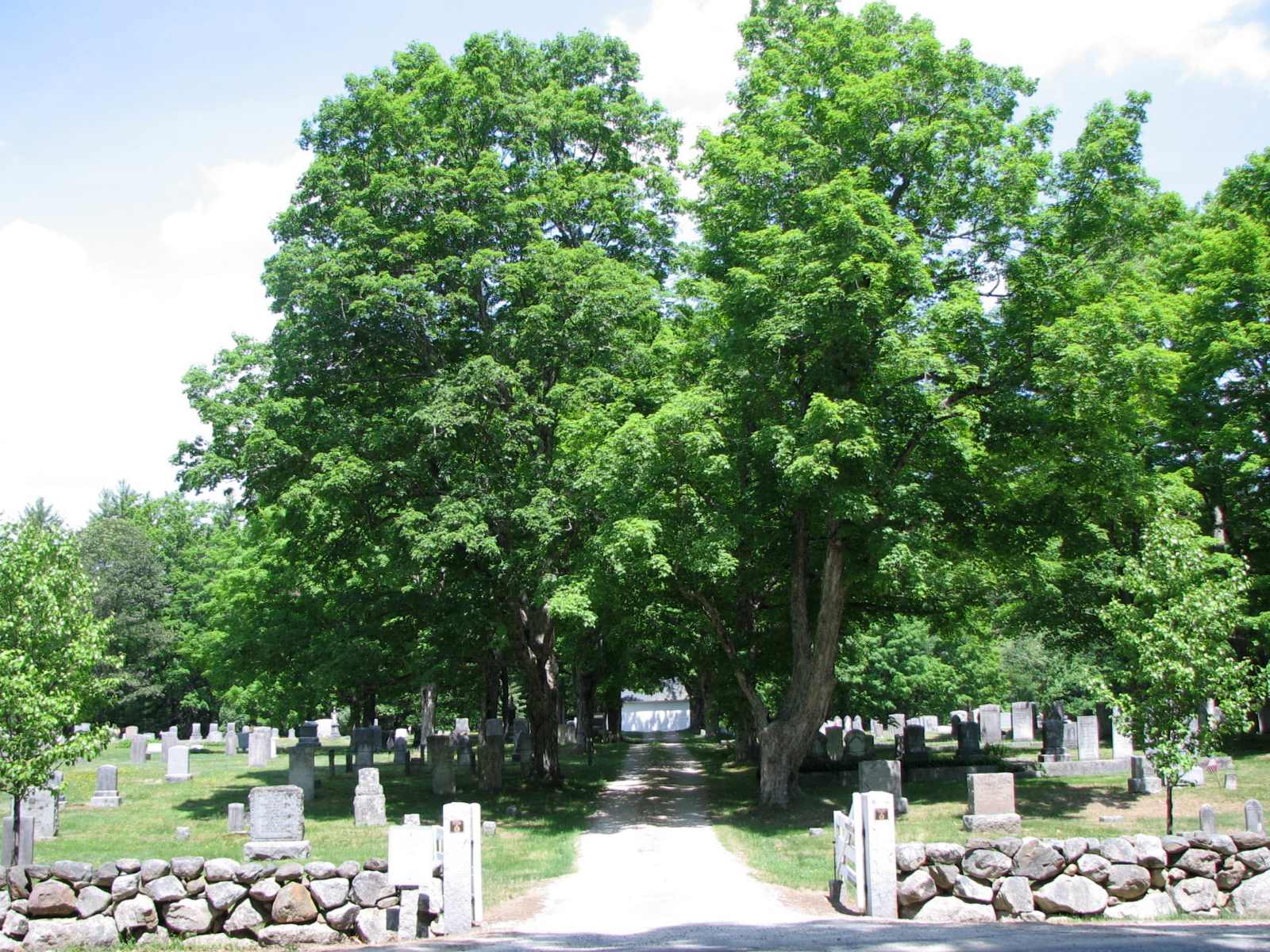
Francestown's burial ground dates to the 18th century and is the subject of local ghost stories, with reports of cold spots, apparitions, and unexplained sounds. The cemetery is small, with stones dating from the 1770s onward. Visitors can walk the grounds freely during daylight hours, but there is no official tour or admission fee. The "haunted" reputation is based on anecdotal accounts, not documented history.
Secret Bedrock Gardens And Sculpture Park
Bedrock Gardens in Lee combines landscaped gardens with outdoor sculptures. The park covers 30 acres, with paths winding past flower beds, water features, and works by regional artists. Each sculpture is labeled with the artist's name and year of installation. The gardens are open seasonally, typically from May through October, and admission is by donation. Check the website for current hours before visiting.
Uncover Presidential Secrets At Franklin Pierce Homestead
Franklin Pierce Homestead in Hillsborough was the childhood home of the 14th U.S. President, built in 1804. The house contains original Pierce family furniture, including the desk where he signed documents as a lawyer. Guided tours last about 45 minutes and cover Pierce's early life, his time in office (1853–1857), and his controversial stance on slavery. The property is open from Memorial Day through Labor Day, with limited fall hours.
Elephant Rocks In Pawtuckaway State Park
Elephant Rocks in Pawtuckaway State Park, Nottingham, are a cluster of massive granite boulders left by glacial retreat roughly 12,000 years ago. The rocks are named for their resemblance to a herd of elephants, and they sit near the park's main trailhead. The park offers 5 miles of hiking trails, a beach on Pawtuckaway Lake, and campsites. The boulders are a short walk from the parking area, making them accessible for families.
Secret Telephone Museum Journey
The New Hampshire Telephone Museum in Warner traces the history of communication from early switchboards to the dawn of the smartphone era. The collection includes working rotary phones, switchboard equipment, and a wall of telephones from every decade since the 1890s. Visitors can operate some of the devices, and docents explain how manual exchanges worked. The museum is open Wednesday through Saturday, with a small admission fee.
More about Mysterious Stones And Museums
- Hidden Alpine Slides In New Hampshire's White Mountains
- Uncanoonuc Mountains: Goffstown's Hidden Gem
- Secrets Of New Hampshire's Lost Nation Lost Villages
- 15 Hidden Towns in New Hampshire's Lakes Region
- 10 Hidden Towns In New Hampshire's White Mountains
- Secrets Behind New Hampshire's Lost Nation
- Mysteries Behind New Hampshire's Diana's Baths
- Suncook Lakes: Barnstead's Hidden Gem
- Secrets Behind New Hampshire's Madison Boulder
- Hidden Wonders Of Mount Washington's Alpine Garden
- Secrets Of New Hampshire's Abandoned Mill Towns
- Secrets Behind New Hampshire's Old Man
- Hidden Gems Of Franconia Notch State Park Basin
- Secrets Of Bear Dens In New Hampshire's White Mountain Forest
