

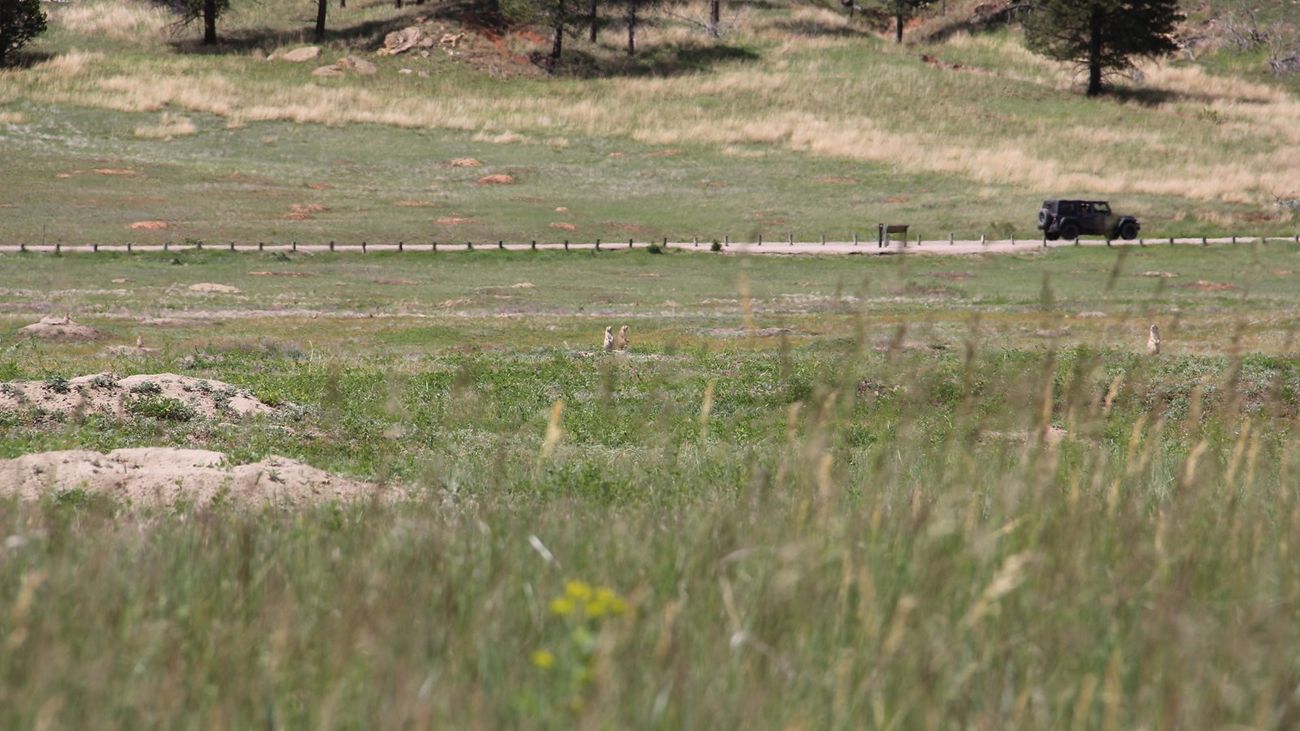
Nebraska's prairie dog towns are home to black-tailed prairie dogs, which dig intricate underground networks that support a variety of wildlife. You can watch them pop in and out of their burrows, chirping to communicate with each other. If you're planning a trip to Nebraska, make sure to include a stop at one of these prairie dog towns.
Best Places to See Prairie Dogs in Nebraska
1. Scotts Bluff National Monument
Scotts Bluff National Monument is a historical landmark with stunning views and rich history. The monument's mixed-grass prairie is home to numerous prairie dog colonies. Visitors can enjoy hiking trails while observing these lively animals.
2. Fort Robinson State Park
Fort Robinson State Park offers a blend of history and nature. The park's expansive grasslands are perfect for spotting prairie dogs. With over 22,000 acres to explore, there's plenty of room to see these critters in action.
3. Crescent Lake National Wildlife Refuge
Crescent Lake National Wildlife Refuge is a haven for wildlife enthusiasts. The refuge's diverse habitats support a variety of species, including prairie dogs. Birdwatchers and nature lovers will find this spot particularly rewarding.
4. Oglala National Grassland
Oglala National Grassland is a vast expanse of rolling hills and open prairie. This area is home to several prairie dog towns, making it an ideal destination for those looking to observe these animals in a natural setting.
5. Valentine National Wildlife Refuge
Valentine National Wildlife Refuge offers a serene environment for wildlife viewing. The refuge's grasslands provide a perfect habitat for prairie dogs. Visitors can enjoy peaceful walks while keeping an eye out for these curious creatures.
6. Buffalo Gap National Grassland
Buffalo Gap National Grassland stretches across Nebraska and South Dakota. The grassland's wide-open spaces are dotted with prairie dog colonies. It's a great place for a scenic drive or a leisurely hike with plenty of opportunities to spot prairie dogs.
7. Chadron State Park
Chadron State Park is Nebraska's oldest state park, offering a mix of recreational activities and wildlife viewing. The park's grassy areas are home to prairie dog towns, providing visitors with a chance to see these animals up close.
8. Wildcat Hills State Recreation Area
Wildcat Hills State Recreation Area boasts rugged terrain and picturesque views. The area's mixed-grass prairie is inhabited by prairie dogs, making it a great spot for wildlife enthusiasts. Hiking trails offer excellent vantage points for observing these animals.
9. McKelvie National Forest
McKelvie National Forest is a lesser-known gem with vast stretches of prairie. The forest's open spaces are ideal for prairie dog colonies. Visitors can enjoy the tranquility of the area while watching these animals go about their daily activities.
10. Ash Hollow State Historical Park
Ash Hollow State Historical Park combines history with natural beauty. The park's grasslands are home to prairie dog towns, offering visitors a chance to see these animals in a historical context. The park also features hiking trails and picnic areas for a full day of exploration.
Embracing Nebraska's Prairie Dog Towns
Nebraska's prairie dog towns offer a glimpse into the state's natural beauty and wildlife. These communities of prairie dogs play a crucial role in maintaining the ecosystem. Visiting these towns provides an opportunity to witness the intricate balance of nature firsthand. Whether you're a nature enthusiast, a photographer, or just curious, the windswept plains of Nebraska promise an unforgettable experience. Remember to respect the habitat and observe from a distance to ensure these creatures continue to thrive. Exploring these towns enriches your understanding of prairie dogs and deepens your appreciation for the delicate ecosystems they support. So next time you're in Nebraska, make sure to add a visit to a prairie dog town to your itinerary.
Related travel guides: Nebraska's Hidden Fossil Beds And Agate Fields and The Mystery Of South Dakota's Vanishing Prairie Dog Colonies.
