Part of our Michigan guide.
Secrets Trading In Michigan covers ten places and guides that reveal the state's lesser-known commercial and cultural exchange points, from fur-trading posts to lumber boomtowns and military supply routes. Each entry focuses on a specific location or network where goods, stories, and history were traded long before modern highways arrived.
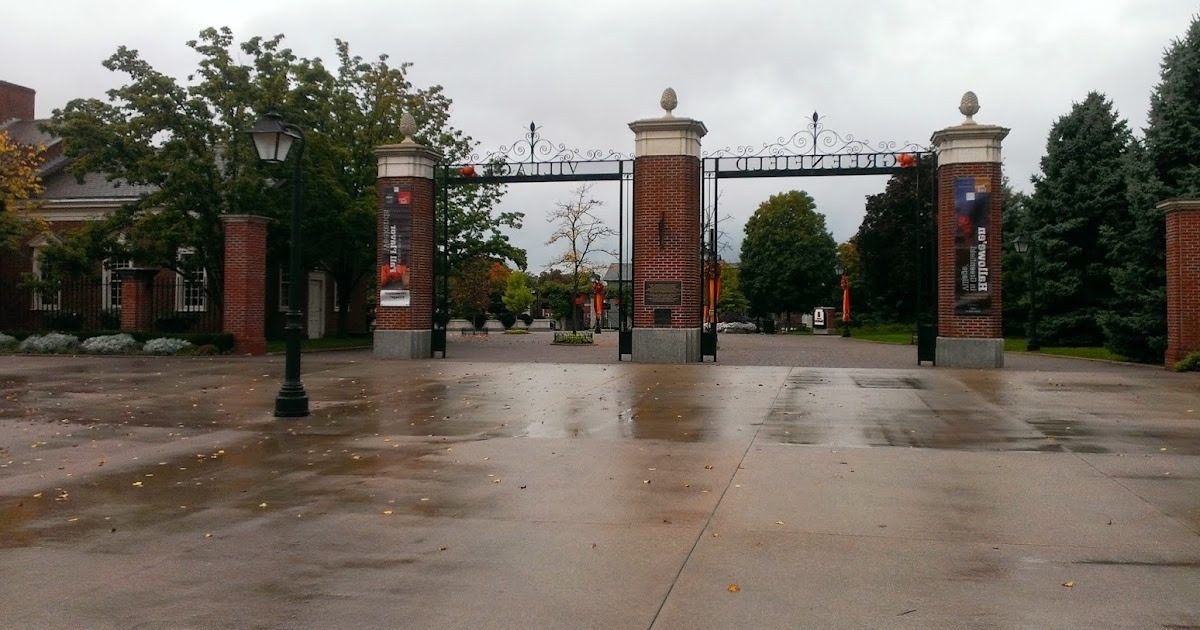
Greenfield Village
Greenfield Village in Dearborn, Michigan, is a living history museum. This open-air museum, part of The Henry Ford complex, lets you explore over 80 historic buildings. You can walk through Thomas Edison’s Menlo Park lab or visit the Wright brothers' bicycle shop. Greenfield Village provides a way to learn about America's past.
Upper Peninsula
The hidden trading posts of Michigan's Upper Peninsula date back to the early days of fur trading, when trappers exchanged pelts for supplies at remote log cabins. This region holds secrets waiting to be uncovered. From the early days of fur trading to modern-day markets, these trading posts offer a glimpse into the past. Imagine walking through dense forests, stumbling upon a log cabin where trappers once exchanged pelts for supplies. These spots are not just historical landmarks; they are windows into a bygone era.
Mackinaw Michigan Trading Routes
Long before modern highways, Native American tribes and European settlers used the waterways between Lake Michigan and Lake Huron for trade. Canoes and ships carried furs, food, and other goods, making Mackinaw a bustling hub. Today, visitors can still feel the echoes of this past. Walking through the streets, you might imagine the lively exchanges that once took place.
Saginaw Valley Logging Boomtowns
Michigan's Saginaw Valley logging boomtowns sprang up almost overnight during the timber industry's peak, filled with lumberjacks, sawmills, and lively communities. These towns were the heart of the logging industry, providing the timber that built cities across the nation. Today, many of these boomtowns have faded into history, but their stories remain. We take a closer look at the rise and fall of these communities, exploring their impact on Michigan and beyond.
Huron River Trading Posts
Michigan's Huron River has a history of trading posts that once buzzed with activity. These historic spots are more than old buildings; they are windows into a time when the river was a highway of commerce. Imagine paddling down the river, stopping at these trading posts to learn about the history and culture of the area. Discovering Michigan's Huron River Trading Posts reveals where traders and settlers exchanged goods and stories.
Mackinac
Mackinac Island is known for its stunning views, rich history, and unique trading posts. From the Grand Hotel to Arch Rock, there's something for everyone. The hidden trading posts on the island offer unique souvenirs, local crafts, and a glimpse into the island's past. Hidden Trading Posts of Michigan's Mackinac provide a treasure chest of history, culture, and natural beauty.
Fort Mackinac War Tactics
Fort Mackinac, located on Mackinac Island, was built by the British during the American Revolution and later became a key site during the War of 1812. The fort's strategic location made it a hotbed of military activity. Today, visitors can explore its well-preserved buildings, learn about 18th and 19th-century military life, and witness reenactments that bring history to life.
Upper Peninsula Lumber Boomtowns
During the late 19th and early 20th centuries, Michigan's Upper Peninsula was home to bustling lumber boomtowns that sprang up almost overnight, driven by the demand for timber. Logging camps, sawmills, and railroads transformed the landscape. Today, many of these towns have faded into obscurity, but their stories remain. Exploring these forgotten places offers a glimpse into a pivotal time in American history. Michigan's Upper Peninsula is a region rich in history and natural beauty.
Fort Holmes
Fort Holmes, perched atop Mackinac Island, was built during the War of 1812. Originally named Fort George by the British, it was later renamed to honor American Major Andrew Hunter Holmes. Today, visitors can wander through the reconstructed fort, imagining life as a soldier in the early 19th century. This historic site offers more than breathtaking views; it stands as a testament to a time when the island was a strategic military post.
Sleeping Bear
The hidden trading posts of Michigan's Sleeping Bear Dunes were bustling hubs of activity long before the area became a popular tourist destination. Traders and Native Americans exchanged goods such as furs, tools, and stories in this region. Today, while the dunes attract visitors for their natural beauty, the history of these trading posts adds another layer of intrigue to the towering sand dunes and breathtaking views.
More about Secrets Trading
- Secrets Of Michigan's Detroit Salt Company Tours
- Secrets Of Michigan's Ancient Burial Mounds
- Hidden Waters Of Michigan's Rock River
- Michigan's Upper Peninsula Ghost Towns Revealed
- Hidden Gems Of Michigan's Upper Peninsula Lakes
- The Mystery Of Michigan's Upper Peninsula Paulding Light
- Secrets Of Michigan's Lost Copper Works
- The Hidden Wonders Of Michigan's Sacred Crystal Falls
- Secrets Of Michigan's Upper Peninsula Wolf Territories
- 30 Hidden Gems In Milwaukee
- Hidden Wild Rice Harvesting Spots In Michigan
- Hidden Logging Railroads Of Michigan's Upper Peninsula
- Hidden Gems Of Apple Cider Mills In Traverse City
- Hidden Lumber Baron Mansions Of Michigan's Upper Peninsula
- Secrets Of Michigan's Upper Peninsula Mushroom Glades
- Hidden Gems Of Michigan's Keweenaw Peninsula Mining Ruins
- Hidden Stories Of Michigan's Rock Harbor
- Secrets Of Michigan's Huron Mountains
- Mystery Of The Edmund Fitzgerald Bell At Great Lakes Museum
- Detroit's Hidden Language: Are You In The Know?
- Detroit Buildings - Touring The Abandoned Ones
- Hidden Iron Mining Towns Of Michigan's Upper Peninsula
- Secret Wolverine Dens In Michigan's Upper Peninsula
- Hidden Fur Trading Outposts Of Michigan's Upper Peninsula
- Secrets Of Michigan's Isle Royale Mining Pits
- Michigan's Hidden Cherry Orchards Secrets Of Traverse City
- Hidden Morel Mushroom Spots In The Midwest
- Hidden Wonders Of Michigan's Pictured Rocks Sandstone Cliffs
- Hidden Tales Of Michigan's Keweenaw Peninsula Copper History
- Mysteries Of Michigan's Crystal Lake
- Mysteries Of Michigan's Tahquamenon Falls Tannin Waters
- Mystery Of Michigan's Singing Sands Upper Peninsula
- Mysteries Of Michigan's Thunder Bay Harbors
- Hidden Fur Trading Routes Along Michigan's Grand River
- Hidden Tales Of Michigan's Keweenaw Peninsula Ghost Towns
- Secrets Of Michigan's Five Mile Point