

Part of our Maine guide.
Maine's lighthouses and maritime history are best understood through the nine specific places and guides gathered here, each tied to a working coast of ship traffic, fishing villages, and island communities. The state's documented beacons range from the Owls Head Light to the Rockland Breakwater Light, and the coverage below sticks to what is known about each site without inventing extra lore.
Penobscot Bay Island Lighthouses Revealed
Penobscot Bay sits on Maine's midcoast, and its island lighthouses were built to guide ships through a passage thick with ledges and fog. The Owls Head Light and the Rockland Breakwater Light are the two named here, both still standing and accessible to visitors who want to see how the bay's maritime traffic was kept safe. The bay's islands, some with working piers and others with only a keeper's house and a tower, mark the channels that ferries and freighters still use. A visit to these lights means a boat ride to reach some of them, while others, like the Rockland Breakwater, can be reached on foot along the granite breakwater itself. The stories of the keepers, the ships they guided, and the families who lived on these islands are the draw, and the views across the bay to the Camden Hills are a bonus.
Maine
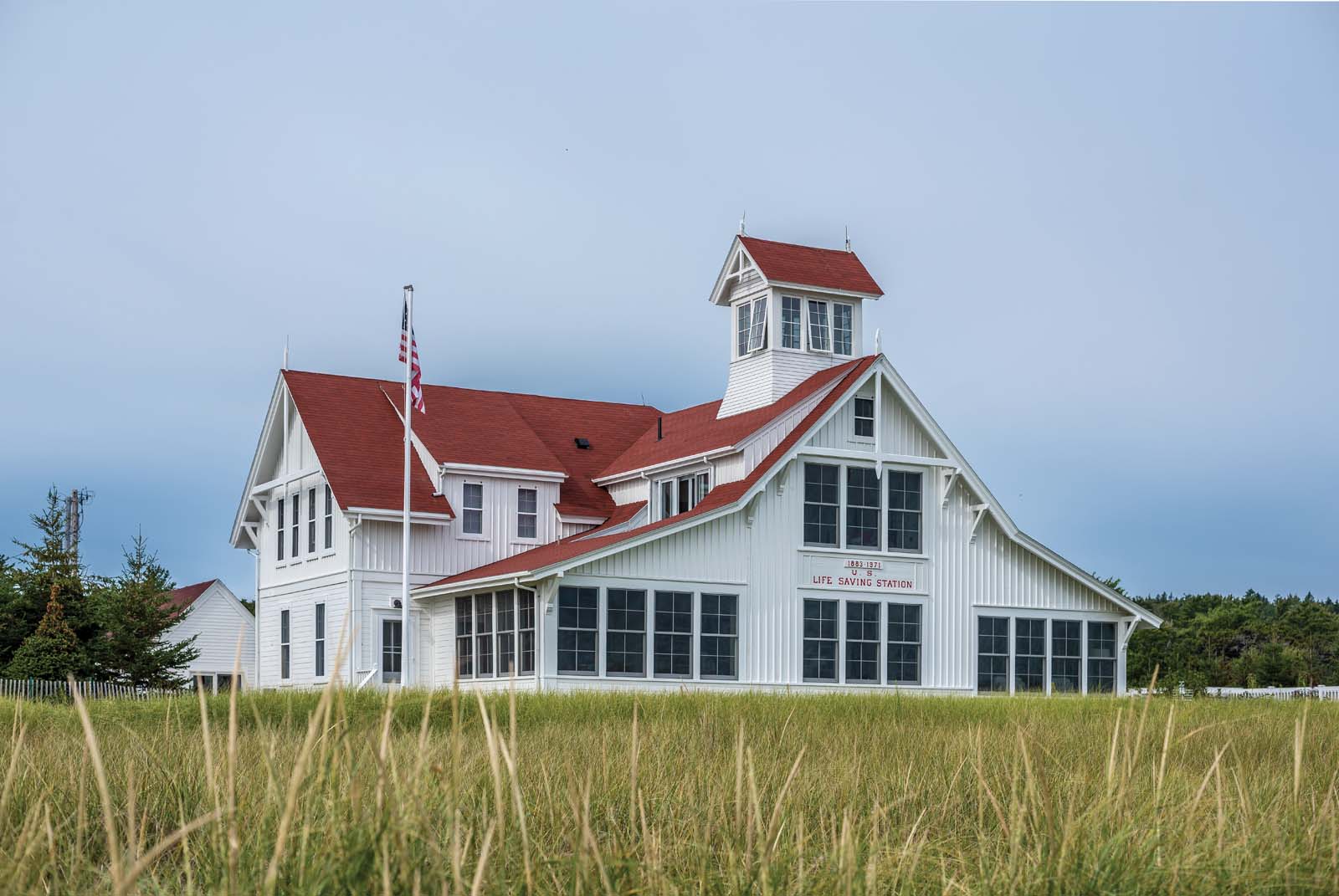
Secret Coast Guard stations of Maine are tucked along the state's rugged shoreline, often hidden from the main roads and tourist routes. These stations, some dating to the early 20th century, were built for rescue and patrol work, and they sit on rocky points or at the mouths of harbors where they could launch quickly. From Portland's working waterfront to the quieter coves near Bar Harbor, each station has a specific history tied to shipwrecks, winter storms, and the crews who lived there. Some are now private homes or museums, while others sit empty, but all of them mark a time when the Coast Guard's reach along this coast was a matter of life and death. The buildings themselves—boat bays, lookout towers, and quarters—are worth a look for anyone interested in how the service operated before GPS and modern radar.
Acadia Bass Harbor And Its Hidden Floating Peat Islands
Bass Harbor, on the southwest side of Mount Desert Island, is best known for its lighthouse, but the harbor also holds floating peat islands that drift with the tide. These mats of plant material, built up over centuries, move around the harbor and change the shape of the shoreline as they go. The lighthouse itself is a working beacon, and the view from the rocks below it is a classic Acadia scene. The floating islands are not a stable feature—they shift with storms and currents—so what you see on one visit may not be there the next. The surrounding area, including the harbor village and the trails along the shore, is part of Acadia National Park, and the whole place rewards a slow visit.
Fogbound Lighthouse Islands
Maine's fogbound lighthouse islands sit in the path of the dense sea smoke that rolls in from the Atlantic, and their beacons were built to cut through that gray. The islands themselves are often bare rock with a tower, a keeper's house, and little else, but the stories of the keepers who lived through weeks of fog, the ships that waited for a clearing, and the seabirds that nest on the cliffs are what draw visitors. Some of these islands are accessible by tour boat, while others are only visible from the water or a distant headland. The fog is part of the experience—it is the reason the lights exist, and it makes the moment the beam cuts through all the more dramatic.
Abandoned Coastal Lighthouses
Abandoned coastal lighthouses along Maine's shoreline are scattered from Kittery to Eastport, and each one has a specific story of why it was left behind. Some were replaced by automated lights or buoys, while others were simply too expensive to maintain. The structures themselves show their age—peeling paint, rusted railings, boarded windows—but the towers and keeper's quarters still stand as monuments to the ships they once guided. A few are rumored to be haunted, and those stories have become part of the local lore, but the documented history is about the ships that wrecked nearby and the rescues that followed. These lighthouses are not open to the public in most cases, but they can be seen from the water or from nearby trails, and their isolation is part of their appeal.
Acadia Coast Lighthouse Quarters
Staying in a lighthouse on the Acadia coast is possible at a few locations, where the keeper's quarters have been converted to overnight rentals. These are not hotels—you are staying in a working piece of maritime history, with the tower attached or just steps away. The rooms are simple, with the original woodwork and windows that look out over the water. You can expect to wake up to the sound of waves and gulls, and to spend your days exploring the tide pools and trails that surround the light. The experience is about the setting, not luxury, and the history of each light—who kept it, what ships it guided, and when it was automated—is part of what you are paying for. Reservations are limited and often book out months in advance, so plan ahead if you want to sleep under a beacon.
Darling Marine Center And Its Coastal Secrets
The Darling Marine Center, run by the University of Maine, sits on the Damariscotta River and is a working research facility, not a tourist attraction. The center studies the river's marine life, including the oysters and clams that support the local economy, and its researchers track water quality, shellfish populations, and the health of the estuary. Visitors can walk the shoreline, look in the tide pools, and see the research equipment, but the real value is in the data the center produces. The river itself is a fjard-like estuary, and its mix of salt and fresh water creates a unique habitat that the center's scientists have been documenting for decades. If you want to understand the coast beyond the postcard views, this is the place to start.
Hidden Lighthouses On Rocky Shores
Hidden lighthouses on Maine's rocky shores are not marked on the main roads, and finding them takes a hike or a boat ride. These are the lights that were built for a specific ledge or point, often too small or too remote for a full keeper's station. Some are just a tower and a lantern room, with no house attached, and they were automated early or abandoned when the channel changed. The reward for seeking them out is a view of the coast that most visitors miss—a quiet stretch of rock and water where the only sound is the surf and the only movement is the beam of the light. The hike to reach them is part of the experience, and the sense of discovery is real.
Backcountry Island Lighthouses Revealed
Backcountry island lighthouses in Maine are the ones that require the most effort to reach, and they are the most rewarding for it. These are the lights on remote islands, some with no regular ferry service, where the keeper's house is the only building and the only way in is by private boat or a long paddle. The isolation is the point—these lights were built to warn ships away from rocks that were too far from any mainland harbor. The keepers who served here lived with weeks of solitude, and their journals and records are full of details about storms, supply runs, and the ships they saved. Visiting one of these islands means planning a trip with a guide or a very good boat, and it means being ready for weather that can change in minutes. The reward is a piece of Maine's maritime history that few people ever see.
More about Lighthouses And Maritime History
- Nubble Lighthouse: York Beach's Shining Gem
- Hidden Coastal Tide Pools In Maine's Acadia National Park
- Hidden Coastal Gems Of Maine's Pemaquid Point
- Maine's Bold Coast Secrets: Dramatic Cliffs On Remote Shores
- Hidden Viking Settlements On Maine's Coastline
- Mysterious Moonstone Beaches Of Maine
- Secrets Of Maine's Muscongus Bay Islands
- Secrets Of Maine's Matinicus Island
- Secrets Of Maine's Louds Island Villages
- Secrets Of Maine's Butter Island Villages
- Secrets Of Maine's Casco Bay Islands
- Secrets Of Maine's Sand Beach
- Secrets Of Maine's Vinalhaven Islands
- Maine's Machias Seal Island Puffin Colony Secrets
