

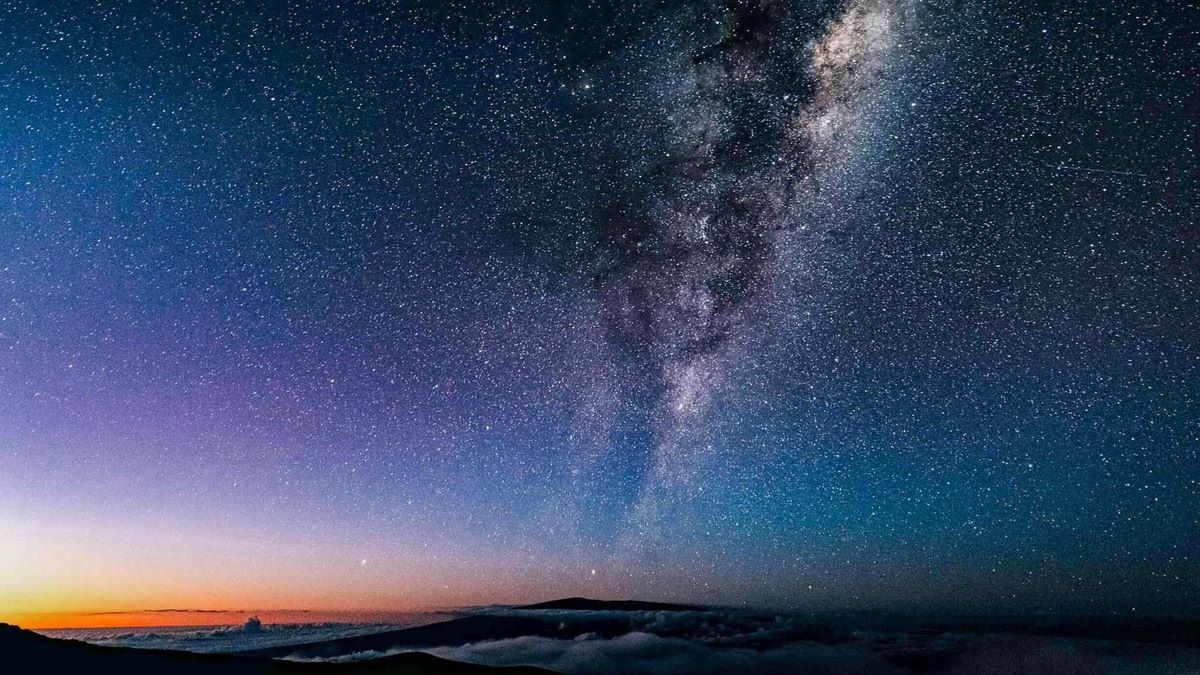
Onizuka Center for International Astronomy on the Big Island of Hawaii sits at 9,200 feet on Mauna Kea, offering some of the clearest views of stars, planets, and galaxies in the United States. Its high altitude and minimal light pollution make it a prime spot for both amateur and professional astronomers.
Mauna Kea Visitor Information Station
The Mauna Kea Visitor Information Station (VIS) is situated at 9,200 feet.
- Stargazing Programs: The VIS has offered stargazing programs with telescopes and knowledgeable staff, but availability may depend on the current schedule and weather. Some sources indicate the program ran daily 6–10 pm, while others say it is reservation-only on selected nights with no walk-up telescopes; no current official source confirms nightly programs.
- Educational Displays: Learn about the history of Mauna Kea, astronomy, and the cultural significance of the mountain through interactive displays.
- Gift Shop: Pick up souvenirs, star maps, and educational materials.
Mauna Kea Summit
At 13,796 feet, the summit is one of the best places on Earth to observe the stars.
- Observatories: The summit hosts several world-class observatories. While public access inside is restricted, you can view these structures from the outside.
- Sunset Views: Arrive before sunset to watch the sky transform.
- Starry Nights: The summit's high altitude and minimal light pollution create ideal conditions for observing celestial wonders.
Stargazing Tours
Several tour companies offer stargazing tours on Mauna Kea, providing transportation, equipment, and expert guides.
- Mauna Kea Summit Adventures: This tour company offers guided trips to the summit, complete with telescopes and knowledgeable guides.
- Hawaii Forest & Trail: A guided stargazing tour that includes a visit to the VIS and the summit.
- Arnott's Lodge & Hiking Adventures: This tour focuses on the cultural and scientific significance of Mauna Kea.
Stargazing Tips
To make the most of your stargazing adventure, keep these tips in mind:
- Dress Warmly: Temperatures at high altitudes can drop significantly, so wear layers and bring a warm jacket.
- Acclimate Slowly: Spend time at the VIS to acclimate to the altitude before heading to the summit.
- Bring Binoculars: While telescopes are available, having your own binoculars can enhance your experience.
- Check the Weather: Clear skies are essential for stargazing, so check the weather forecast before your visit.
Cultural Significance
Mauna Kea holds deep cultural significance for Native Hawaiians. Understanding and respecting this aspect of the mountain is crucial for all visitors. For more on the region, consider our travel tips and local favorites in Hawaii.
- Cultural Tours: Some tours focus on the cultural importance of Mauna Kea, offering insights into its history and significance.
- Respect Sacred Sites: Be mindful of sacred sites and follow guidelines to ensure respectful and responsible visitation.
- Learn from Locals: Engage with local guides and community members to gain a deeper understanding of Mauna Kea's cultural heritage.
Final Thoughts on Big Island's Onizuka Center
Big Island's Onizuka Center offers an unforgettable stargazing experience. Nestled on Mauna Kea, this spot provides crystal-clear views of the night sky. The high altitude and minimal light pollution make it perfect for spotting constellations, planets, and even distant galaxies. Visitors can use telescopes provided by the center or simply lie back and enjoy the celestial show. The knowledgeable staff is always ready to share fascinating facts about the stars and the universe. Whether you're an astronomy buff or just looking for a unique adventure, this destination won't disappoint. So, pack a jacket, grab some hot cocoa, and head up to Onizuka Center for a night under the stars you won't soon forget.
