

Part of our Georgia guide.
Georgia’s seasons and events hinge on the Fall Line, where the Piedmont meets the Coastal Plain, and on the mountains and canyons that draw visitors year-round. The state’s calendar peaks in autumn with apple harvests and in spring with canyon wildflowers, but each season has its own anchor.
Related travel guides: Events And Seasons In Florida, Events And Seasons In Texas, Events And Seasons In Japan, Secrets Hidden In Georgia, Hidden Gardens In Georgia, and Secrets Inside Georgia's Forgotten Prison.
Hidden Colonial Outposts Along Georgia's Fall Line
The Fall Line runs from Augusta through Macon to Columbus. Its colonial outposts were trade and defense hubs in the 18th century, sitting where rocky rapids forced overland portage and created early settlements. Walking through Augusta’s riverfront or Macon’s historic district, you can still trace the old trading paths. The outposts’ defensive forts, like Fort Mitchell (across the river in Alabama, but tied to the region), and their role in the Creek Wars are part of the documented record. Today, each town’s historic district preserves the original street grids and a few colonial-era structures.
Fall Line Outposts
Smaller Fall Line towns like Milledgeville (the state capital from 1804 to 1868) and Columbus offer distinct character. Milledgeville’s Old State Capitol and the former governor’s mansion are open to visitors. Columbus, at the Fall Line’s western end, has a riverwalk and the National Infantry Museum. These towns share a geological trait: the waterfalls and rapids that powered early mills. The region’s red clay and rolling hills give way to flat coastal plain south of the line, so the landscape shifts noticeably within a few miles. The outposts work well as a road-trip loop, with each stop an hour or less from the next.
Fall Line Mills
The mills along the Fall Line used the drop in elevation to turn water wheels. In Augusta, the Enterprise Mill (now lofts and offices) dates to 1882 and sits on the canal. The Augusta Canal, built in 1845, still carries water through the city and offers boat tours. In Columbus, the Eagle and Phenix Mills (1850s) overlook the Chattahoochee River and now house apartments and a brewery. These mills processed cotton, flour, and gunpowder during the Civil War. The documented history is visible in the brick facades and raceways, though many original machines are gone. The mills’ water rights and raceway systems are still partly functional, and interpretive signs explain the industrial process.
Ellijay's Mountain Apple Festivals
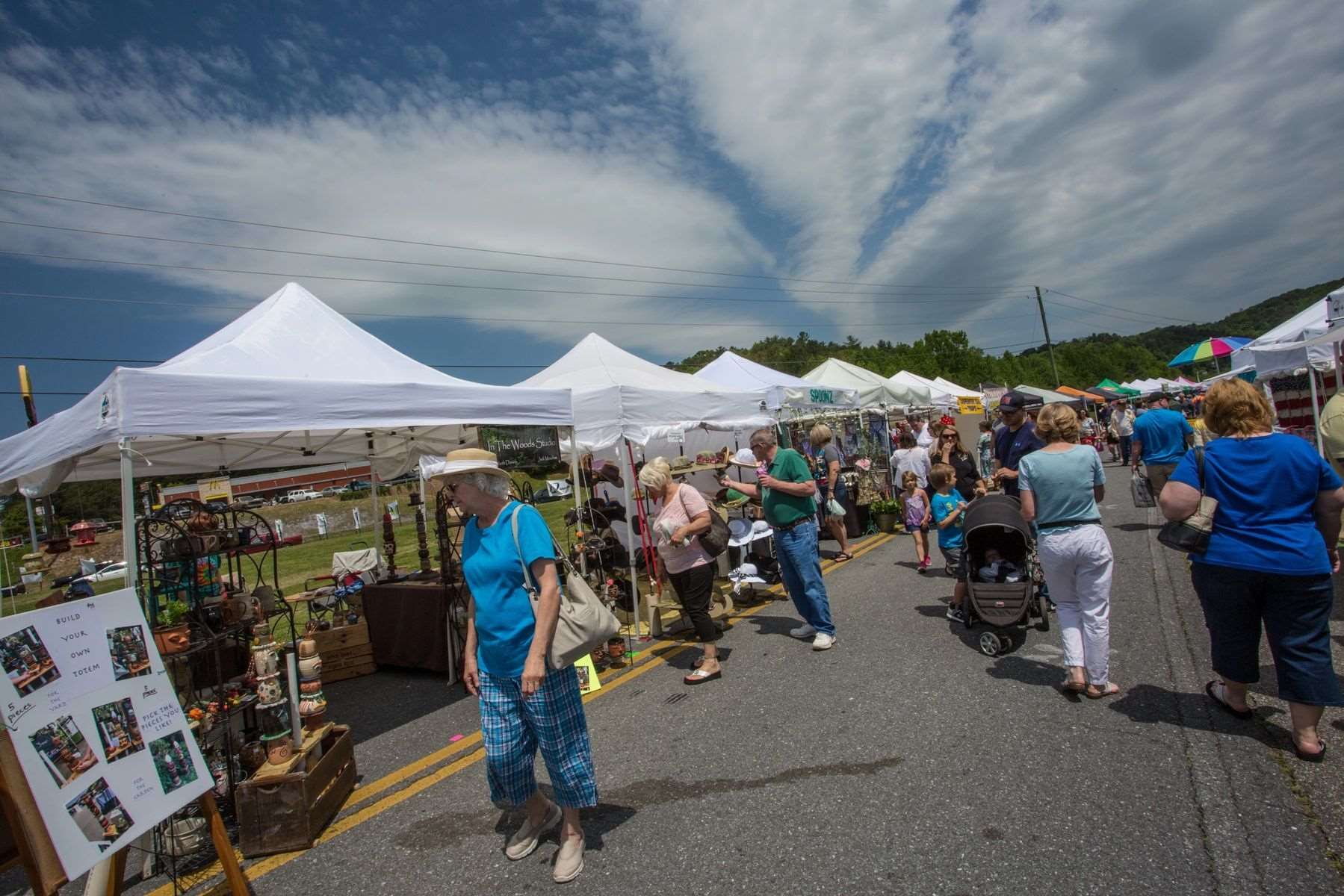
Ellijay, in the North Georgia mountains, hosts its apple festivals every October, with the main event on three consecutive weekends. The town’s orchards—more than 30 within a short drive—produce varieties like Gala, Honeycrisp, and Arkansas Black. The festival grounds at the Gilmer County Fairgrounds feature live bluegrass, arts and crafts vendors, and a parade through downtown. Apple pies, fried pies, cider, and apple butter are sold by the slice or the jar. The festival runs from 9 a.m. to 6 p.m. on Saturdays and Sundays, with free admission and paid parking at the fairgrounds. For a quieter visit, go on a weekday in late September, when the trees are heavy but the crowds are thin.
Providence Canyon Spring Houses
Providence Canyon, in southwest Georgia, is a 1,003-acre state park known as the "Little Grand Canyon" for its colorful 150-foot-deep gullies. The canyon formed in the 1800s due to poor farming practices, and erosion continues to shape the badlands. The spring houses scattered along the canyon floor are small, stone-walled structures built in the 1930s by the Civilian Conservation Corps. They were used to cool milk and butter before refrigeration, and their spring-fed pools still hold clear water. The 4-mile Canyon Loop Trail descends into the gorge and passes several of these structures, which are marked on park maps. The best time to visit is after a rain, when the water runs clear, but the trail can be muddy—wear sturdy shoes. The park’s visitor center has exhibits on the canyon’s geology and the CCC’s work.
