

Part of our Connecticut guide.
Connecticut’s events and seasons offer two distinct historic sites to explore: a 1920s summer estate in Topsmead State Forest and the spring houses of Iron Valley. The estate opens a window to the Jazz Age, while the spring houses reveal early American ingenuity—both are best visited in spring or fall for mild weather and fewer crowds.
Related travel guides: Hidden State Parks And Peaks In Connecticut, Haunted And Supernatural Sites In Connecticut, Secrets Behind Connecticut's Trap Rock, and Getting Around Connecticut.
Secret 1920s Summer Estate In Topsmead Forest
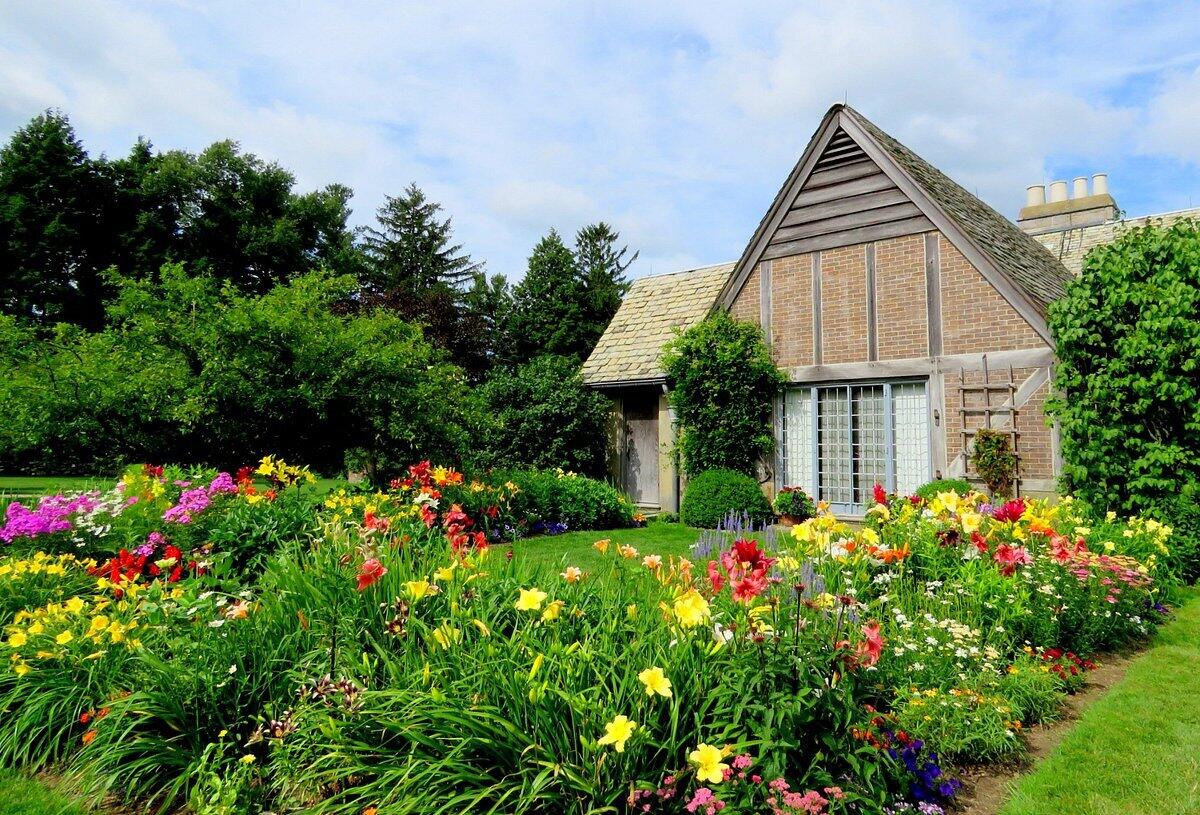
Have you ever imagined stepping back in time to the 1920s? In Connecticut, Topsmead State Forest offers a unique glimpse into that era. This hidden gem, once a summer estate, invites visitors to wander through its lush landscapes and charming English Tudor-style cottage. Built by Miss Edith Morton Chase, the estate reflects her love for nature and simplicity. Today, it stands as a testament to her vision, with gardens, meadows, and woodlands waiting to be explored. Pack a picnic, bring a camera, and enjoy a day surrounded by beauty and history. The estate is open from dawn to dusk year-round, with the cottage interior viewable during limited seasonal hours—typically weekends from Memorial Day through October. No admission fee is charged, but parking is limited to 20 cars, so arriving early on a Saturday morning in June is wise. The grounds include a 1.5-mile loop trail through the forest, passing the original stone walls and a small pond where Chase kept swans. For those interested in hiking and the outdoors in Connecticut, this trail connects to the larger Topsmead network, which totals 12 miles of paths across 1,000 acres. A picnic table near the cottage offers a spot to eat lunch while watching for deer and wild turkeys. The estate’s peak season is autumn, when the maple and oak trees turn red and gold, but spring brings wildflowers like trillium and jack-in-the-pulpit along the trail edges. Winter visits are possible, though the cottage is closed and the roads may be icy; snowshoeing is allowed on the trails.
Iron Valley Spring Houses
Have you ever wondered about the hidden gems in Connecticut's Iron Valley? One of the most intriguing secrets lies in the spring houses scattered throughout this historic region. These charming structures, often overlooked, played a crucial role in the daily lives of early settlers. They provided a cool, natural storage space for perishable goods before the invention of modern refrigeration. Today, they stand as a testament to the ingenuity and resourcefulness of those who lived here centuries ago. Join us as we uncover the fascinating history and significance of these unique spring houses in Connecticut's Iron Valley. The Iron Valley region, centered around the town of Salisbury in the northwestern corner of the state, was a major iron-producing area from the 1730s to the early 1900s. The spring houses here are small stone buildings, typically 8 by 10 feet, built over natural springs that kept the interior at a constant 50°F. About a dozen remain in the valley, most on private land, but two are visible from public roads: one on Route 44 near the Appalachian Trail crossing, and another on Undermountain Road in Salisbury. The best season to see them is late spring, after the snow melts but before the foliage blocks the view. A self-guided driving tour of the valley’s iron history, including the spring houses, takes about two hours and covers 25 miles. The Salisbury town hall offers a free map of the route, which also passes the 1850s iron furnace at the Salisbury Iron Works. For a deeper dive, the secrets of Connecticut's sleeping giant limestone caves are a separate destination, but the spring houses share a similar geological foundation—the limestone bedrock that created both the caves and the cold springs. No admission is charged for viewing the spring houses from the road, and parking is available at the Salisbury town hall or at the Appalachian Trail lot on Route 44. Bring water and wear sturdy shoes, as the ground near the spring houses can be muddy after rain.
