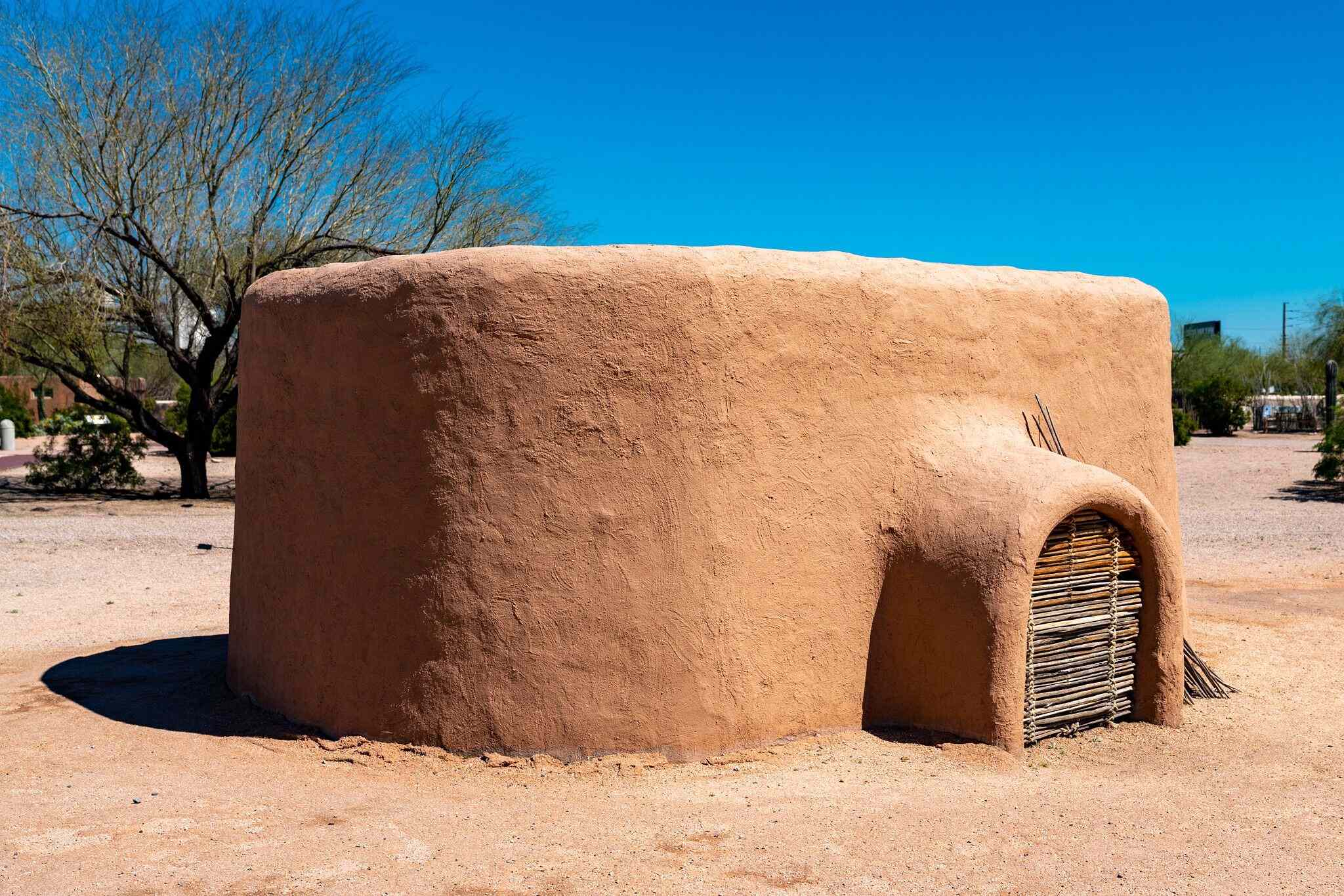
Part of our Arizona guide.
Secrets Desert in Arizona comes down to ancient irrigation and farming methods that let people grow food in the harshest land in North America. The Hohokam canals alone stretched over hundreds of miles, and the Sinagua terraces turned rugged slopes into fields for corn, beans, and squash.
Ancient Indigenous Gardens
Ancient indigenous people in Arizona grew food in an arid climate using techniques that modern gardeners can still learn from. Intricate irrigation systems and companion planting ensured crops thrived in harsh conditions. These gardens were a testament to sustainable living, where history meets horticulture.
Hohokam Canals
The Hohokam people built their canals over 1,000 years ago, transforming the arid landscape into fertile farmland. Stretching over hundreds of miles, they created a complex irrigation system without modern machinery that sustained a large population.
Ancient Desert Waterways
The Hohokam people dug extensive canals to divert water from rivers, ensuring their crops flourished during dry spells. Remnants of these irrigation systems still exist, offering a glimpse into the resourcefulness of early desert dwellers. These waterways crisscrossed the landscape, turning the desert into productive fields.
Sinagua Agricultural Terraces
The Sinagua people of Arizona mastered harsh environments with their agricultural terraces. These terraces transformed rugged landscapes into fertile fields, allowing them to grow crops like corn, beans, and squash. By carefully managing water and soil, the Sinagua created a sustainable farming system that supported their communities for centuries. Today, these terraces stand as a testament to their innovation and resilience.
Desert Plant Adaptations
Plants survive in Arizona's harsh desert environment through adaptations. From the saguaro cactus to the creosote bush, each species has features that help it endure extreme heat, intense sunlight, and scarce water. Some store water in thick stems, while others have deep roots to tap underground moisture. Many have small or waxy leaves to reduce water loss. Understanding these adaptations highlights nature's ingenuity and offers insights into conserving water in our own gardens.
Desert Water Projects
Arizona provides water to its residents through desert water projects that have transformed this arid landscape into a livable environment. The Central Arizona Project channels water from the Colorado River, and innovative groundwater management techniques have made Arizona a leader in water conservation. These engineering marvels ensure that cities like Phoenix and Tucson have a steady water supply.
Ancient Agricultural Terraces Phoenix Basin
The Phoenix Basin holds secrets of ancient agricultural terraces built by the Hohokam people. By creating a series of stepped levels, they managed water flow and prevented soil erosion. This technique allowed them to grow crops like corn, beans, and squash in an unforgiving environment. Today, you can still see remnants of these terraces, offering a glimpse into the resourcefulness and resilience of the Hohokam culture.
Hidden Desert Research Projects At Arizona's Biosphere Institute
Arizona's Biosphere Institute, located in the Sonoran Desert, is a hub for groundbreaking studies. Scientists from around the world gather here to investigate climate change and sustainable agriculture. The institute offers an opportunity to study ecosystems in a controlled yet natural environment. Hidden Desert Research Projects at Arizona's Biosphere Institute are currently underway, examining desert ecosystems in ways that connect to the broader landscape of Arizona.
More about Secrets Desert
- Mysteries Of Arizona's Sandstone Labyrinths
- Hidden Petrified Forests Of Tucson: Arizona's Stone Jungle Secrets
- Arizona's Secret Cliff Dwellings And Ancient Ruins
- Secrets Of Arizona's Crystal Hill Quartz Mines
- Hidden Wind-Sculpted Arches Of Arizona's Monument Valley
- Hidden Wonders Of Arizona's Seven Springs
- Mysteries Of Sedona's Desert Legends
- Secrets Of Arizona's Sleeping Beauty Mountain Turquoise Mines
- Secrets Of Arizona's Mount Graham Observatories
- Secrets Of Arizona's Bradshaw Mountains
- Mysteries Of Arizona's Sonoran Desert Spirits
- Secrets Of Arizona's Monument Valley Trading Posts
- Hidden Military Aircraft Boneyards At Arizona's Davis-Monthan Base
- Secret Mountain Lakes Of Arizona's White Mountains
- Secrets Of Arizona's Granite Dells Stone Bowls
- Secrets Of Arizona's Superstition Mountains Springs
- Secrets Of Arizona's Sonoran Desert Oases
- Secrets Of Arizona's Sedona Vortexes
- Secrets Of Arizona's Kitt Peak Mountain Observatories
- Arizona's Hidden Ostrich Farms: A Surprising Find
- Secrets Of Tohono O'odham Cooking Techniques
- Hidden Flame Azalea Fields Of The Blazing Barrens
- Secrets Of Arizona's Spiraling Sandstone Waves
- Arizona's Hidden Copper Boom Towns And Their Untold Stories
- Hidden Indigenous Rock Art In Arizona's Cabeza Prieta
- Hidden Ghost Towns In Arizona's Superstition Mountains
- Secrets Of Arizona's Desert Packrafting Routes
- Mysteries Of The Hopi Mesas In Arizona
- Secrets Hidden Under Arizona's Superstition Mountains
- Secrets Of Arizona's Agua Fria Rock Art
- Secrets Of Arizona's Ray Mine Ghost Chrysocolla
- Secrets Of Arizona's Four Peaks Mines
- Mystery Of The Dragon Rings At Mount Lemmon
- Secrets Of Arizona's Butterfield Route Stage Stations
- Hidden Ruins Of Arizona's Perry Mesa
- Secret Volcanic Plugs In Arizona's Monument Valley
- Hidden Hot Springs Of Arizona's Agua Caliente
- Secrets Of Arizona's Santa Catalina Mountains
- Secrets Of Arizona's Abandoned Railroad Towns
- Hidden Lookouts Of The Mogollon Rim