Part of our Arizona guide.
Arizona’s events and seasons range from spring wildflower blooms in the Sonoran Desert to autumn storytelling festivals on the Navajo Nation. The calendar is shaped by its desert climate, with mild winters and scorching summers that dictate when outdoor gatherings and natural spectacles occur.
Related travel guides: Lost Mines and Travel In Arizona, Secrets Of Arizona's Sonoran Desert Oases, How Far Is Nogales, Arizona, From The Mexican Border?, Hidden Hot Springs Of Arizona's Agua Caliente, Mysteries Of Arizona's Sonoran Desert Spirits, and 7 Luxurious Resorts To Stay In Gilbert, Arizona.
Apache Spring
Apache Spring is a historic oasis in central Arizona, fed by natural springs that once sustained Native Americans and early settlers. Short trails wind through riparian greenery, with interpretive signs detailing its role as a stop on the Apache Trail. Mule deer and migratory birds frequent the area, especially from October to April.
Sonoran Desert Spring Blooms
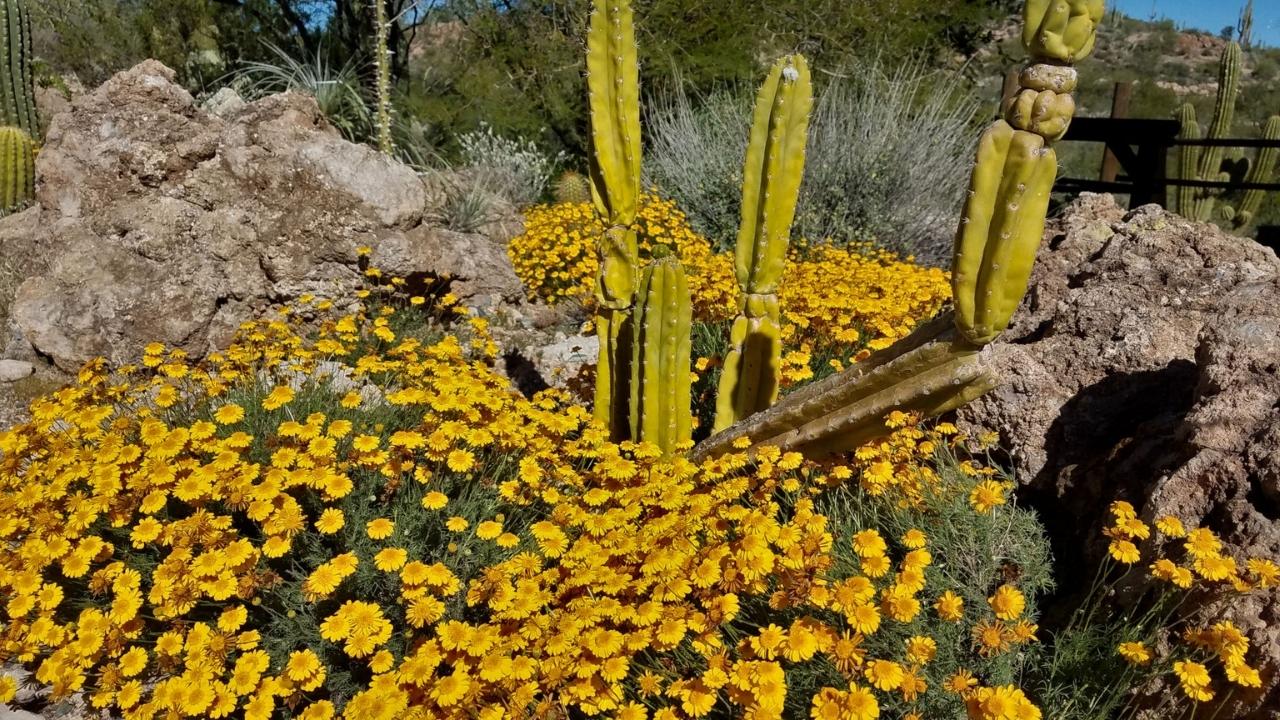
From late February through April, the Sonoran Desert erupts in color as brittlebush, desert marigold, and hedgehog cactus flower. The peak bloom window lasts three to six weeks, depending on winter rainfall. Hikers along the Peralta Trail or the Apache Wash Trail can see the transformation firsthand, with bright yellow brittlebush contrasting against saguaro-studded slopes. These blooms draw photographers and nature enthusiasts to the desert’s normally muted palette.
Navajo Nation Storytelling Festivals
The Navajo Nation Storytelling Festivals, held in various locations across northeastern Arizona, celebrate oral traditions passed down through generations. Events take place in late summer or early autumn, featuring elder storytellers who recount creation myths, hero tales, and everyday life under the open sky. The festivals also include traditional music, dance, and craft demonstrations. Check the Navajo Nation Parks & Recreation schedule for exact dates, as venues rotate among Window Rock, Tuba City, and Kayenta.
Lake Havasu Balloon Festivals
The Lake Havasu Balloon Festival occurs in January, when cool mornings provide ideal conditions for hot air balloon launches. Dozens of balloons ascend over the Colorado River and the London Bridge, with tethered rides available for a fee. The event features live music, food vendors, and a night-time “glow” where balloons are illuminated after dark. Spectators can watch launches from Rotary Park or the bridge itself.
Hidden Desert Spring Wetlands
Hidden desert spring wetlands, such as those at Hassayampa River Preserve and the San Pedro Riparian National Conservation Area, sustain rare plant and animal species year-round. Fed by underground aquifers and surface springs, these wetlands create lush pockets of cottonwood and willow that contrast with the surrounding desert. Birdwatchers can spot vermilion flycatchers, green kingfishers, and migrating warblers, especially during spring and fall migrations. The wetlands also support beaver, javelina, and the endangered southwestern willow flycatcher.
Pipe Spring Villages
Pipe Spring National Monument in northwestern Arizona preserves the stone village and fort built by Mormon settlers in the 1870s, along with Kaibab Paiute cultural sites. The spring itself has been used for centuries by Native American tribes, and the museum displays artifacts from both the pioneer and Indigenous periods. Guided tours of the historic cabins and the springhouse are available daily, with a focus on the region’s water history and the interactions between settlers and the Paiute people. The site also offers a short nature trail through the surrounding desert.