

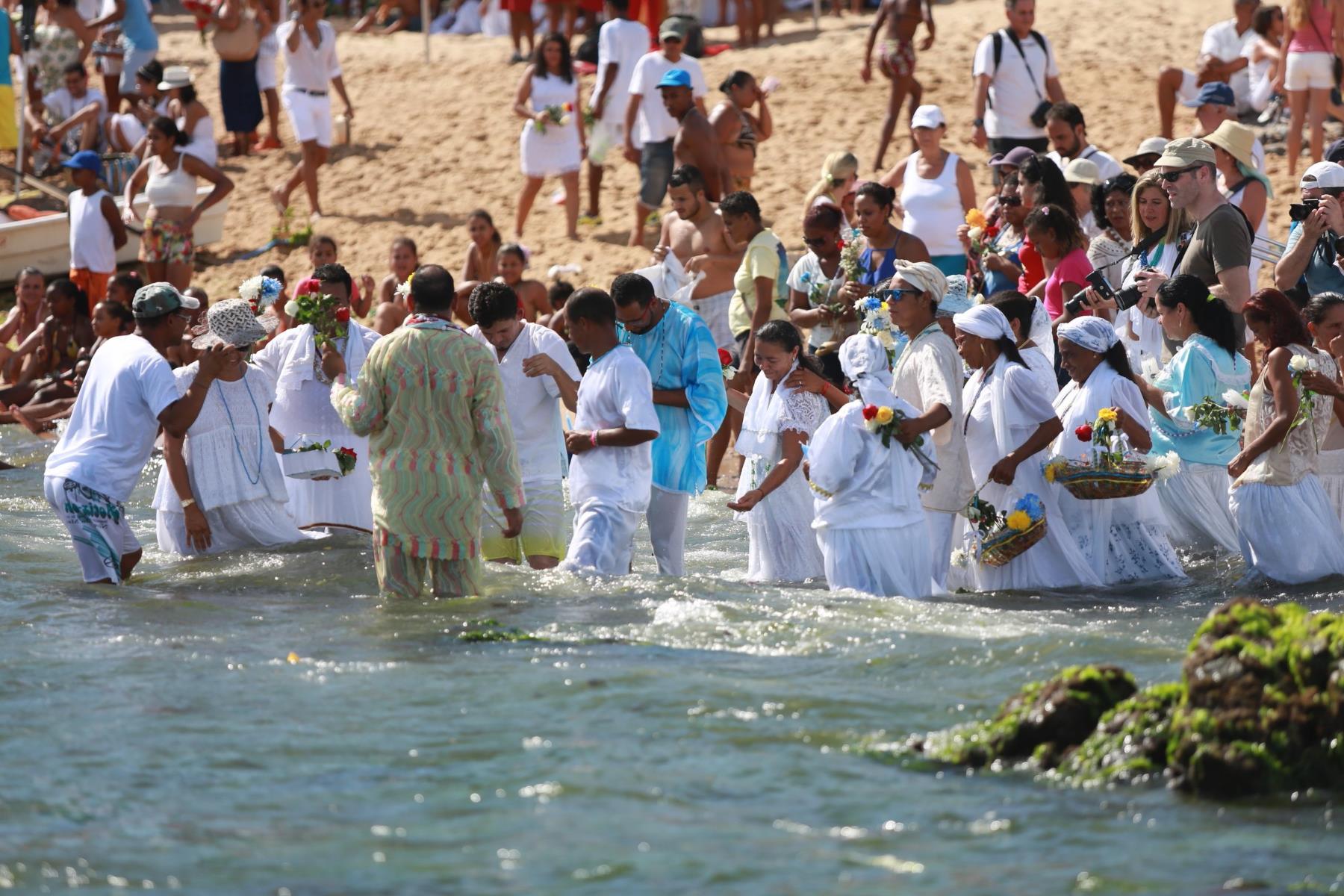
Every year on February 2nd, locals and tourists gather on the beaches of Salvador, Bahia, to pay tribute, though celebrations in Rio de Janeiro take place on January 1. This celebration, known as Festa de Iemanjá, honors Iemanjá, the goddess of the sea, and the Salvador celebration begins the day before February 2nd with offerings gathered at a shrine.
Brazil's Sea Goddess Festival: A Unique Celebration
Brazil's Sea Goddess Festival, known as Festa de Iemanjá, is a spiritual event held annually on February 2nd in Salvador, honoring Iemanjá, the goddess of the sea in Afro-Brazilian religions. This festival blends music, dance, and offerings, drawing both locals and tourists.
Rio Vermelho Beach
Rio Vermelho Beach in Salvador, Bahia, is the epicenter of the festival. Thousands gather to offer flowers, perfumes, and other gifts to Iemanjá. The beach transforms into a sea of white, the color associated with the goddess.
- Rio Vermelho Beach: The heart of the festival, where the main ceremonies and offerings take place.
Rio de Janeiro's Copacabana Beach
While Salvador is the traditional hub, Rio de Janeiro's Copacabana Beach also hosts significant celebrations on January 1. Participants dress in white and carry their offerings to the water, with samba music and dancing filling the air.
- Copacabana Beach: A lively alternative to Salvador, offering a unique blend of local and tourist participation.
Pelourinho Historic Center
Pelourinho, Salvador's historic center, plays a crucial role in the festivities. The narrow streets and colonial buildings provide a backdrop for processions and cultural performances, where history and tradition come alive.
- Pelourinho Historic Center: A cultural hotspot where processions and performances add depth to the celebration.
Mercado Modelo
Mercado Modelo, a bustling market in Salvador, is another key location. Vendors sell traditional items used in the festival, such as white dresses, beads, and offerings. It is a place to immerse yourself in the local culture and prepare for the celebrations.
- Mercado Modelo: A vibrant market offering everything needed for the festival, from attire to offerings.
Itaparica Island
For a more serene experience, head to Itaparica Island. This tranquil spot offers a quieter, more intimate celebration, where locals and visitors gather on the beach to honor Iemanjá in a peaceful setting.
- Itaparica Island: A serene alternative for those seeking a quieter, more intimate celebration.
São Francisco Church
The São Francisco Church in Salvador is another important site. This historic church hosts special masses and blessings for Iemanjá. The blend of Catholic and Afro-Brazilian traditions highlights the cultural fusion that defines the festival.
- São Francisco Church: A historic church offering special masses and blessings, showcasing the festival's cultural fusion.
Barra Lighthouse
Barra Lighthouse, located at the entrance of All Saints Bay, is a popular spot for watching the festival's maritime processions. Boats filled with offerings sail out to sea, creating a visual spectacle against the backdrop of the lighthouse.
- Barra Lighthouse: An ideal vantage point for viewing maritime processions and enjoying the festival's visual splendor.
Dique do Tororó
Dique do Tororó, an artificial lake in Salvador, features statues of Orixás, including Iemanjá. During the festival, this location becomes a focal point for rituals and offerings. The serene setting adds a mystical touch to the celebrations.
- Dique do Tororó: A mystical site with statues of Orixás, enhancing the spiritual atmosphere of the festival.
Embracing the Magic of Brazil's Sea Goddess Festival
Brazil's Sea Goddess Festival offers a blend of tradition, spirituality, and celebration. This event honors Iemanjá, the goddess of the sea, with processions, music, and offerings. Locals and tourists gather on the beaches, creating a sense of community and shared reverence.
Experiencing this festival provides a deeper understanding of Brazilian culture and its heritage. From the rituals to the atmosphere, every moment is filled with wonder. Whether you're participating in the ceremonies or simply observing, the festival leaves a lasting impression.
If you're planning a trip to Brazil, consider timing your visit to coincide with this extraordinary event. It's an opportunity to witness a cultural tradition passed down through generations, celebrating the connection between the people and the sea.
Related travel guides: 10 Surprising Facts About Festa Junina In Brazil.
