

New Bedford, Massachusetts, offers eight must-visit historic sites that span its whaling, abolitionist, and military past, and you can explore them all in a day or two. The city’s historic core, anchored by the New Bedford Whaling National Historical Park, provides the densest concentration of landmarks, while other sites like Fort Taber Park and the New Bedford Fishing Heritage Center expand the story to defense and modern maritime work.
New Bedford Whaling Museum
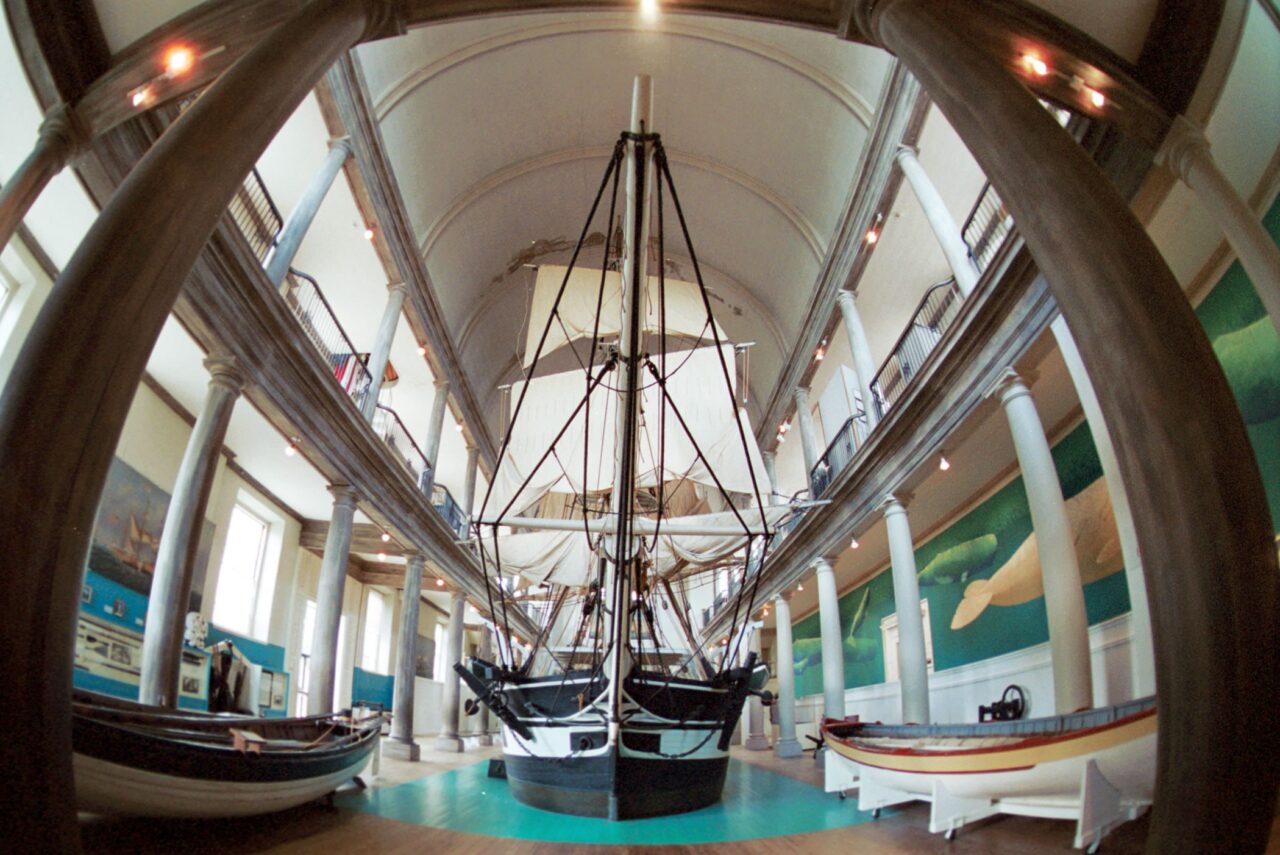
The New Bedford Whaling Museum holds a collection of artifacts and exhibits on the city’s maritime history. Visitors can explore whaling equipment, artwork, and interactive displays covering the industry’s impact on the region. The museum’s centerpiece is the Lagoda, a half-scale model of a whaling ship, which lets visitors experience the conditions aboard a 19th-century whaling vessel.
New Bedford Whaling National Historical Park
This park encompasses historically significant sites, including the Seamen’s Bethel, a nautical chapel immortalized in Herman Melville’s “Moby-Dick,” and the Mariners’ Home, which provided lodging for seafarers. Visitors can take guided tours, explore the cobblestone streets, and visit the Corson Maritime Learning Center to examine the maritime industry’s impact on New Bedford.
Rotch-Jones-Duff House and Garden Museum
The Rotch-Jones-Duff House and Garden Museum is a Greek Revival mansion that shows the lifestyle of New Bedford’s 19th-century elite. It holds period furnishings, artwork, and landscaped gardens. Guided tours cover the families who lived there, their contributions to the community, and the historical context of the era. The gardens, with plantings and sculptures, are open to visitors.
Fort Taber Park
Fort Taber Park, on the shores of Buzzards Bay, marks New Bedford’s military significance. Visitors can explore military structures, including gun batteries, bunkers, and coastal defense installations dating back to the 19th century. The park offers views of the bay and surrounding landscape, along with pathways through the fort’s history.
Seamen’s Bethel
The Seamen’s Bethel, immortalized in Herman Melville’s “Moby-Dick,” stands as a symbol of New Bedford’s seafaring heritage. This historic chapel, with maritime-themed woodwork and memorials to lost mariners, offers a connection to the city’s maritime legacy. The space provides a place for reflection on the perils faced by seafarers and the traditions that shaped New Bedford’s identity.
Abolition Row Park
Abolition Row Park marks New Bedford’s role in the abolitionist movement during the 19th century. This site commemorates the efforts of abolitionists, including Frederick Douglass, Lewis Temple, and William and Ellen Craft, who fought against slavery. Visitors can explore monuments and interpretive displays on the individuals who championed freedom and equality.
Acushnet Fort
Acushnet Fort, a preserved military fortification dating to the Civil War era, offers a window into New Bedford’s wartime history. Visitors can explore earthwork defenses, gun emplacements, and interpretive displays on the strategic significance of this coastal defense installation. The fort provides views of the Acushnet River and the surrounding landscape.
New Bedford Fishing Heritage Center
The New Bedford Fishing Heritage Center celebrates the city’s maritime traditions and the legacy of its fishing industry. Through exhibits, interactive displays, and oral history recordings, the center offers insight into the lives of the men and women who shaped New Bedford’s fishing heritage. It covers the evolution of fishing technologies and the cultural impact of fishing communities, preserving the stories of fishermen and their families.
Conclusion
Exploring the historic sites in New Bedford, Massachusetts, offers a journey through time. From the whaling industry to the abolitionist movement, each site provides a glimpse into the city’s history. By visiting these landmarks, you can gain an understanding of the city’s past and its significance.
FAQs
Q: What are the operating hours of the historic sites in New Bedford?
A: The operating hours vary for each historic site. Check the official websites or contact the sites directly for their specific hours of operation.
Q: Are there guided tours available at these historic sites?
A: Yes, many of the historic sites offer guided tours led by staff or volunteers. Guided tours can provide in-depth insights into the history of each site.
Q: Are these historic sites accessible to individuals with disabilities?
A: Efforts have been made to ensure accessibility at most historic sites in New Bedford. Check with each site regarding their specific accommodations for individuals with disabilities.
Q: Can I take photographs at the historic sites?
A: Photography policies vary by site, but in general, non-flash photography for personal use is allowed. Respect any posted photography guidelines and restrictions.
Q: Are there admission fees for visiting these historic sites?
A: Some historic sites may have admission fees, while many offer free or donation-based entry. Check the admission details for each site before planning your visit.
Related travel guides: 8 Must-Visit Historic Sites In Salem, Massachusetts and 35 Must Visit Places In Gloucester.
