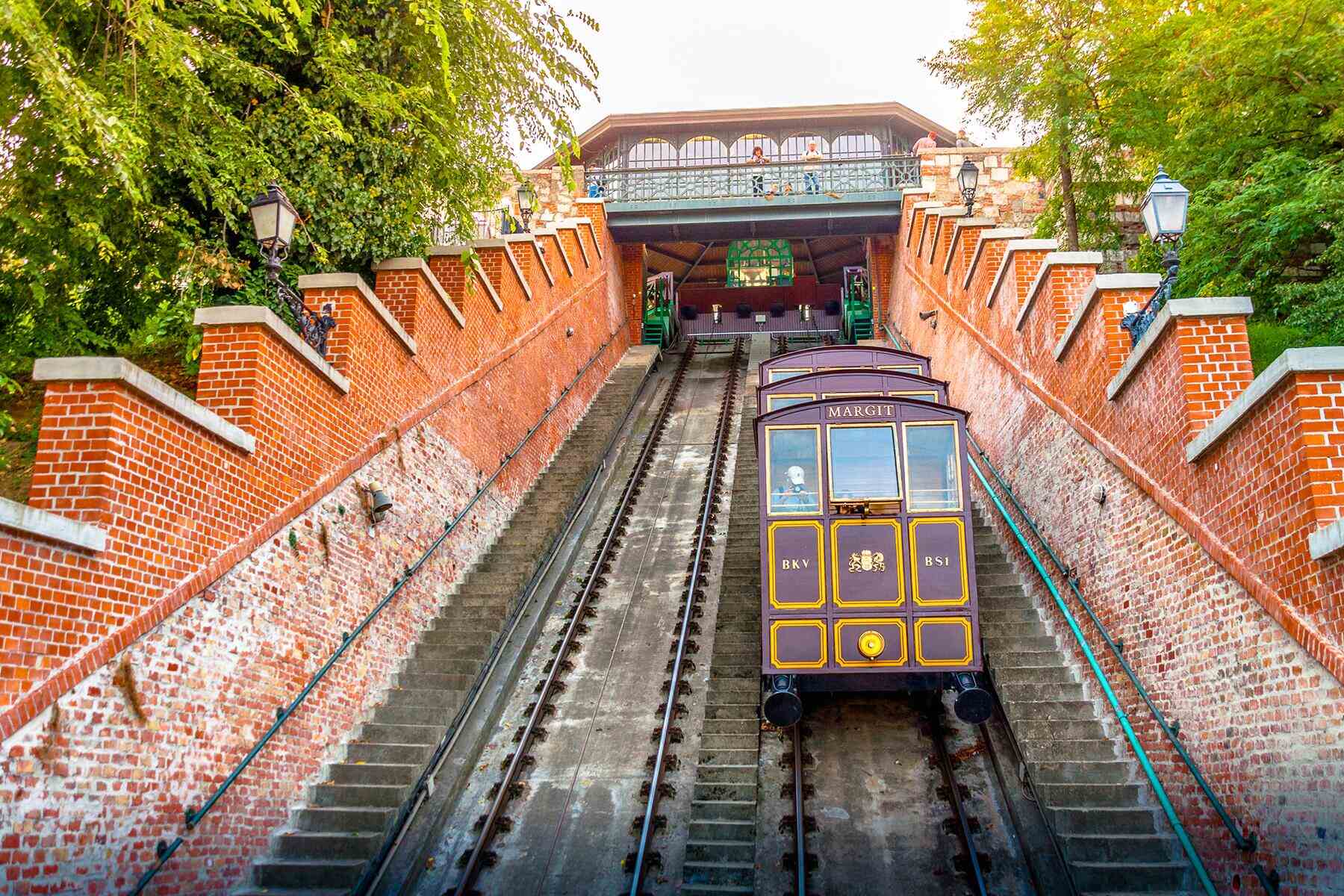
Lisbon's historic funicular railways were a network of four documented hillside cable car systems—Glória, Lavra, Bica, and Graça—that once helped residents and visitors navigate the city's steep terrain. While several other lines have been rumored to exist, only these four are confirmed in official records, with the others remaining unverified.
The Charm of Lisbon's Funicular Railways
Lisbon once had a network of funicular railways that helped locals and tourists navigate its steep streets. These cable car systems played a crucial role in the city's history.
Related travel guides: Meet The Modern Fado Singers Shaping Portugal's Music Scene and What Cities Are Included On Fly TAP Stopover.
1. Elevador do Lavra
Opened in 1884, Elevador do Lavra was Lisbon's first funicular railway. It connected Largo da Anunciada to Rua Câmara Pestana. Though it still operates today, many forget its historical significance.
2. Elevador da Glória
Elevador da Glória, inaugurated in 1885, linked Praça dos Restauradores with Bairro Alto. This funicular offered a scenic route. Despite its continued operation, its historical roots often go unnoticed.
3. Elevador da Bica
Opened in 1892, Elevador da Bica connected Rua de São Paulo with Calçada do Combro. Known for its steep incline, this funicular provided views of the city. Today, it remains an attraction, yet its past is largely forgotten.
4. Elevador do Chiado
Elevador do Chiado was reportedly a short-lived funicular that operated from 1892 to 1915, though its existence is not confirmed in official documentation. It connected Rua do Carmo with Rua Nova do Almada. Although it no longer exists, its memory lingers in Lisbon's history.
5. Elevador do Castelo
Elevador do Castelo reportedly linked Rua dos Fanqueiros with Castelo de São Jorge, though its existence is not confirmed in official documentation. This funicular made the steep ascent to the castle more accessible. Though it ceased operation in 1928, its legacy remains part of Lisbon's charm.
6. Elevador da Graça
Elevador da Graça, which began operating in 1915, connected Rua da Palma with Largo da Graça. This funicular helped residents and visitors navigate the steep streets of the Graça neighborhood. It stopped running in 1927, but its impact on the area endures.
7. Elevador do Carmo
Elevador do Carmo reportedly linked Rua do Ouro with Largo do Carmo, though its existence is not confirmed in official documentation. This funicular provided a convenient route for those traveling between the two points. Although it no longer operates, its historical significance is still remembered by some.
8. Elevador da Estrela
Elevador da Estrela, which started in 1913, connected Rua de São Bento with Largo da Estrela. This funicular made the climb to the Estrela Basilica easier for many. It ceased operation in 1928, but its memory lives on in Lisbon's history.
9. Elevador do Príncipe Real
Elevador do Príncipe Real reportedly linked Rua da Alegria with Praça do Príncipe Real, though its existence is not confirmed in official documentation. This funicular helped people navigate the steep streets of the Príncipe Real neighborhood. Though it stopped running in 1915, its legacy remains part of the city's past.
10. Elevador do Monte
Elevador do Monte, which began operating in 1900, connected Rua da Madalena with Largo do Monte. This funicular provided a convenient route for those traveling between the two points. It ceased operation in 1928, but its historical significance is still remembered by some.
Rediscovering Lisbon's Hidden Gems
Lisbon's underground funicular railways offer a glimpse into the city's past. These forgotten hillside cable car systems once played a crucial role in daily life, helping residents navigate the steep streets. Though no longer in use, their remnants still capture the imagination of history buffs and curious travelers alike. Exploring these hidden gems provides a deeper appreciation for Lisbon's rich heritage and innovative spirit. Next time you visit, take a moment to seek out these fascinating relics. They serve as a reminder of the city's resilience and creativity. Whether you're a local or a tourist, uncovering these forgotten treasures adds a new layer to your Lisbon experience. So, lace up your walking shoes and embark on a journey through time, discovering the stories etched into the very fabric of this vibrant city.