

Part of our Europe guide.
Europe’s events and seasons vary so widely that the best time to visit depends entirely on what you want to see and do. Winter brings Christmas markets and quiet coastal escapes, while summer delivers festivals and beach weather. Here’s how to align your trip with the continent’s calendar.
Related travel guides: Events And Seasons In Germany, 17 Enchanting Christmas Destinations You Won't Believe Exist, Beaches In Europe, How To Become A Travel Tour Guide In Europe, and Hiking And The Outdoors In Europe.
Quiet Cornwall: 10 Reasons To Visit St Ives In Winter
St Ives, a coastal town on Cornwall’s southwestern tip, trades its summer crowds for a tranquil off-season. Winter visitors get peaceful beaches and a vibrant arts scene without the queues. The town’s local cuisine shines in colder months, with hearty Cornish fare served in cozy pubs. St Ives is a year-round destination, but the season between November and February offers the quietest coastal scenery and a chance to see the Atlantic in its raw winter state.
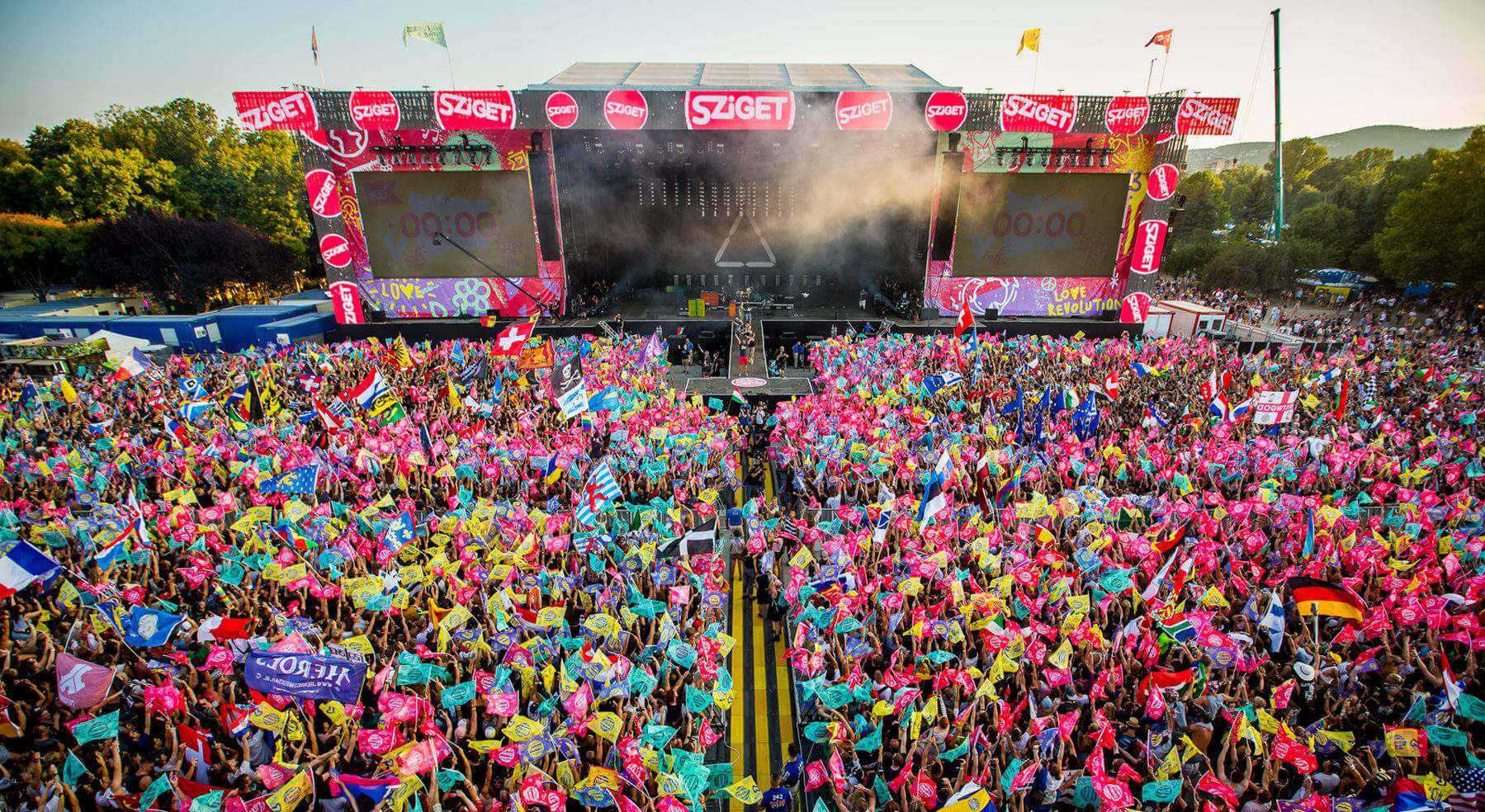
Inside The Budapest Sziget Festival
Sziget Festival runs for a full week each August on Óbuda Island in the Danube River. Beyond the main music stages, the festival includes art installations, theater performances, and daily yoga sessions. Food vendors serve both local Hungarian dishes and international options. Sziget is one of Europe’s largest cultural festivals, drawing tens of thousands of international visitors annually. The island setting means you can swim in the Danube between acts, and the festival’s closing fireworks display is a highlight not to miss.
The 10 Best European Christmas Markets
European Christmas markets run from late November through Christmas Eve, with the exact dates varying by city. Vienna’s Christkindlmarkt and Prague’s Old Town Square market are the most famous, but smaller markets in Salzburg, Strasbourg, and Zagreb offer equally strong mulled wine and roasted chestnuts. The markets are a chance to buy handcrafted ornaments and wooden toys directly from artisans, and most cities light their main squares by mid-November. For a less crowded experience, visit on a weekday morning when the stalls open and the carolers are just warming up.
Scenes From Lake Ohrid: Macedonia's Summer Beauty
Lake Ohrid, straddling the border with Albania, is one of Europe’s oldest and deepest lakes. Its crystal-clear waters let you see fish swimming several meters below the surface, and the surrounding mountains provide a dramatic backdrop for swimming or boat trips. The town of Ohrid itself is a UNESCO site, with a hilltop fortress and ancient churches that date back to the Byzantine era. Summer is the peak season, with water temperatures reaching comfortable swimming levels from June through September, and the lakeside promenade fills with cafes serving fresh fish.
The Perfect Packing List For Fall In Europe
Fall in Europe means cool mornings, mild afternoons, and unpredictable rain, so layering is essential. Pack a waterproof jacket, comfortable walking shoes, and a mix of long-sleeved shirts and light sweaters. For cities like Paris or the Swiss mountains, add a warm scarf and gloves for evening temperatures that can drop near freezing by November. A daypack with a reusable water bottle and a compact umbrella will cover most weather changes. If you’re planning to visit multiple countries, check the average temperatures for each destination, as southern Europe stays warmer longer than the north.
The Best Summer Destinations In Europe
Summer in Europe runs from June to August, with the hottest and busiest period falling in July and August. The French Riviera and the Amalfi Coast are the classic beach picks, but both get crowded and expensive in August. For a quieter alternative, consider the Portuguese coast or the Greek islands. City breaks in summer are possible if you plan for midday heat, but many travelers prefer to head for the coast or the mountains. If you’re flexible, June and early September offer the best balance of good weather and manageable crowds.
