Part of our Croatia guide.
Dubrovnik’s medieval walls and narrow streets served as King’s Landing for Game of Thrones, and Zagreb offers a contrasting capital-city experience with Habsburg-era architecture and a lively café culture. Below are two specific stops from our Croatia coverage, each with the details you need to plan your visit.
Related travel guides: Is Croatia Safe? and Where To Eat In Croatia.
Dubrovnik's Game Of Thrones Locations
Ever wondered where your favorite Game of Thrones scenes were filmed? Dubrovnik, Croatia, served as the stunning backdrop for many iconic moments in the series. This ancient city, with its medieval walls and narrow streets, transformed into King's Landing, the capital of the Seven Kingdoms. Walking through Dubrovnik feels like stepping into the world of Westeros. From the Red Keep to the Walk of Shame, fans can visit real-life locations that brought the fantasy to life. Ready to trace the footsteps of your favorite characters? Start at the Pile Gate, where the city’s main entrance doubles as the gate to King’s Landing. The Jesuit Staircase, just off Gundulić Square, is the site of Cersei’s Walk of Shame. Fort Lovrijenac, a fortress just west of the Old Town, was used as the Red Keep for many exterior shots; it costs 150 kuna (about €20) for a combined ticket with the city walls. The walls themselves, a 2-kilometer loop, appear in scenes of the Battle of Blackwater and cost 200 kuna (about €27) to walk. For a complete self-guided tour, allow at least three hours to cover the walls and the key filming spots within the Old Town. The city is compact, so you can walk between all locations in under 20 minutes.
Visiting Zagreb: Showcasing Croatia’s Lesser-Known Personality
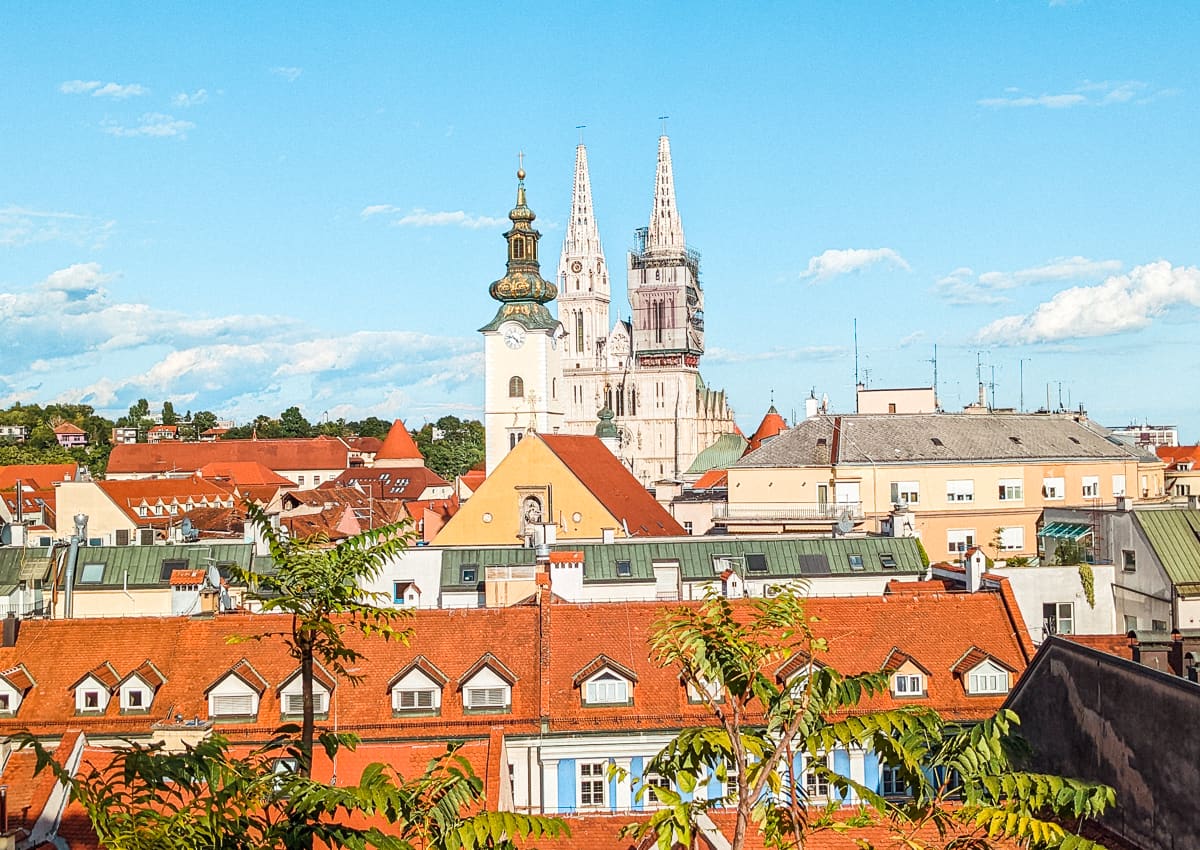
Welcome to Zagreb, the vibrant capital city of Croatia. While many visitors flock to the stunning coastal cities of Dubrovnik and Split, Zagreb holds its own charm and surprises that are waiting to be discovered. Nestled between the Sava River and the southern slopes of Mount Medvednica, Zagreb combines rich history, captivating architecture, a thriving cultural scene, and a warm and welcoming atmosphere. With its strategic location at the crossroads of Central Europe and the Mediterranean, Zagreb has been influenced by various cultures throughout its history. The Upper Town (Gornji Grad) contains the 13th-century St. Mark’s Church with its tiled roof, the Lotrščak Tower (climb it for 20 kuna, about €2.70), and the Museum of Broken Relationships, which charges 40 kuna (about €5.40) for entry. The Lower Town features the Croatian National Theatre, the Mimara Museum, and the sprawling Zrinjevac Park. A single tram ticket costs 4 kuna (about €0.55), and the Zagreb Card, at 120 kuna (about €16) for 24 hours, covers public transport and entry to several museums. The city’s main market, Dolac, operates daily from 7 a.m. to 2 p.m. and is the best place to try local cheese, truffle products, and fresh produce. For travel inspiration in Croatia, Zagreb’s calendar includes the Advent festival (late November to early January), which draws crowds for its outdoor ice rink and mulled wine stalls. If you’re looking for hiking and the outdoors in Croatia, Mount Medvednica, accessible by bus from the city center in 30 minutes, offers marked trails and the medieval Medvedgrad fortress. For a longer trip, your perfect 5 day travel itinerary for visiting Zagreb could combine two days in the city with a day trip to Plitvice Lakes National Park (about 2 hours by bus) and a day in the Zagorje region’s castles and vineyards.