

Part of our Guatemala guide.
Guatemala is generally safe for tourists who stick to well-trodden routes and take standard precautions, though petty crime is common in cities and on public transport. Violent crime has historically been higher in Guatemala City and border areas, but most visits to tourist hubs pass without incident.
Related travel guides: Travel Tips In Guatemala, What Do Things Cost In Guatemala?, Hidden Gems In Guatemala, Practical Tips For Hotels, Practical Tips For Mexico, and Practical Tips For France.
Is Guatemala Safe? Things You MUST Know Before Traveling
Guatemala is home to heritage sites and natural wonders. Safety should be planned for, not feared. Avoid walking alone after dark in urban areas, especially in Guatemala City’s zones 1 and 18, and use only licensed taxis or ride-hail apps like Uber in the capital. Petty theft on chicken buses and in crowded markets is the most common issue; keep your bag in front of you and leave flashy jewelry at home. For hiking volcanoes like Pacaya or Acatenango, go with a registered guide and check local advice on active alerts. The U.S. State Department has historically advised increased caution in parts of the country, but the main tourist circuit—Antigua, Lake Atitlán, and Tikal—is regularly visited by thousands of travelers without serious problems. Register with your embassy and share your itinerary with someone back home.
Is Antigua Safe?: A Guide To Guatemala’s Most Colorful City - Be My Travel Muse
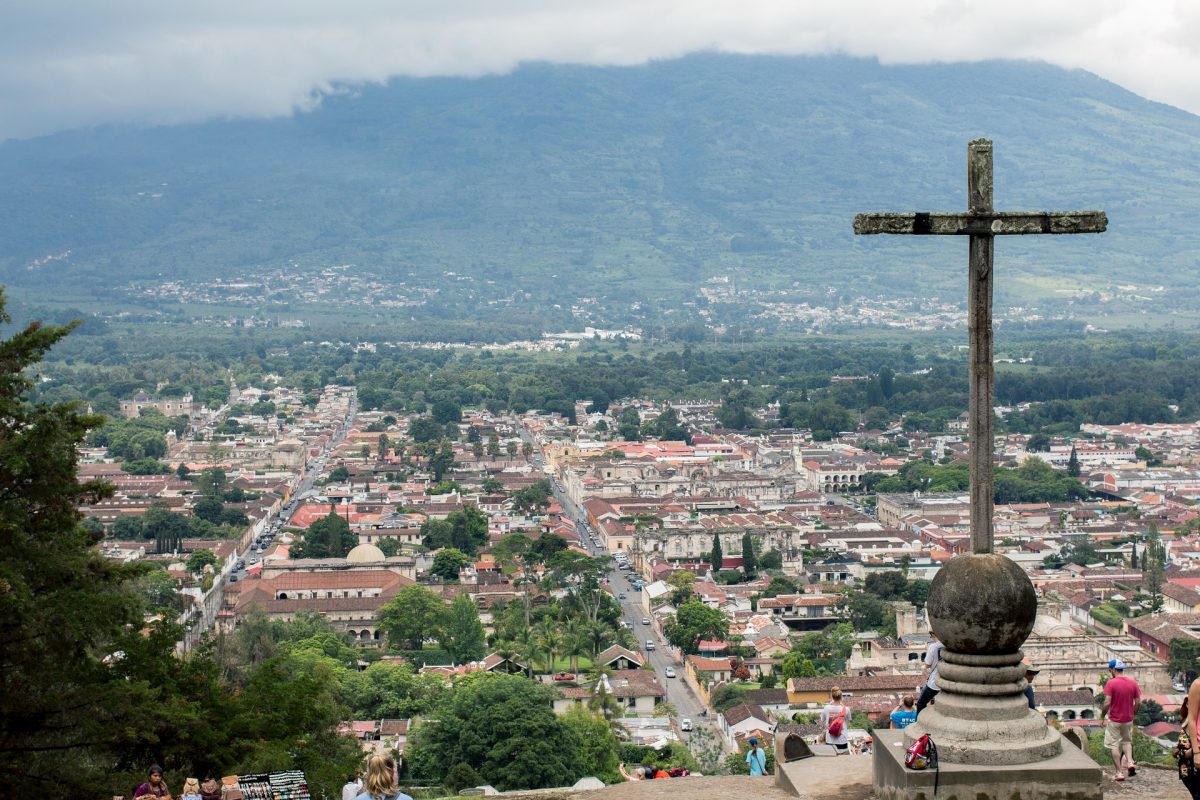
Antigua sits in the Central American highlands and is a UNESCO World Heritage site. It’s a compact colonial town where you can walk between attractions in 15 to 20 minutes. Safety in Antigua has improved markedly, and the main square (Parque Central) is patrolled by police day and night. Take the same precautions you would in any tourist city: avoid dark alleys after 10 p.m., use ATMs inside banks or hotels, and don’t leave drinks unattended. For day trips to nearby coffee farms or the Pacaya volcano, book through a reputable agency—this is a common area for overcharging, so ask your hostel for a fair price. A local bus ride from Antigua to Guatemala City costs about 20 quetzals (around $2.50) and takes roughly 1.5 hours; a private shuttle runs $10–$15. For those looking for travel tips in Guatemala, the key is to blend in: dress modestly, don’t flash cash, and learn a few Spanish phrases. Antigua’s cobblestone streets are uneven and slippery when wet—wear sturdy shoes. If you plan to climb Volcán de Agua, the trailhead is a 40-minute walk from the center; go with a guide and start before 6 a.m. to avoid afternoon clouds. Many travelers base themselves in Antigua for a week and take day trips to nearby villages like San Juan del Obispo (20 minutes by local bus). Always carry a photocopy of your passport, as police may ask for it, and keep the original locked in your accommodation. For those interested in hidden gems in Guatemala, the nearby town of San Antonio Aguas Calientes offers weaving demonstrations and a quieter market—just a 15-minute tuk-tuk ride away. In terms of what things cost in Guatemala, a decent meal in Antigua runs 40–80 quetzals ($5–$10), and a hostel dorm bed is about 60–100 quetzals ($8–$13) per night. If you’re a citizen of the U.S., Canada, or the EU, you don’t need a visa for stays under 90 days, and you can get a Guatemalan passport only if you’re a citizen—so keep your own passport safe and consider a money belt. In case of emergency, dial 120 for police or 122 for fire; the operators speak Spanish, so have a phrase ready. Antigua is safe for solo travelers, including women, if you stay aware and use common sense.
