

Part of our Ecuador guide.
Ecuador’s Pacific coast runs about 1,390 miles (2,237 km). This guide pulls together the beaches and coastal highlights that make the most of that shoreline, from the Galapagos’ volcanic sands to the mainland’s surf towns.
Related travel guides: Things To Do In Ecuador and Hidden Gems In Ecuador.
Giant Tortoises And Lava Tubes On Santa Cruz Island
Santa Cruz Island, in the Galapagos archipelago, is the main hub for seeing giant tortoises in the wild and walking through lava tubes formed by ancient volcanic flows. The Charles Darwin Research Station, near Puerto Ayora, runs breeding programs for the tortoises; you can watch them lumber through pens before hiking into the surrounding dry forest. The lava tubes, a short taxi ride from town, are a half-kilometer stretch of underground passages where you can walk upright in places, with a flashlight provided at the entrance. Visit early morning to beat the tour groups, and wear sturdy shoes—the tube floors are uneven and damp year-round.
A Complete Packing List For Galapagos Islands
For the Galapagos, pack lightweight long-sleeved shirts, shorts, comfortable pants, and a mix of casual and semi-formal outfits for dining out. Add a waterproof jacket for the garúa mist from June to November, reef-safe sunscreen (many tours ban other kinds), a wide-brimmed hat, and shoes with good grip for lava rocks. Bring a dry bag for camera gear on panga rides, and a refillable water bottle—ships and hotels usually have potable water stations. If you plan to snorkel, your own mask and snorkel fit better than rental gear, though wetsuits are available on most boats for the cooler months.
Finding Frigatebirds On North Seymour Island In The Galapagos
North Seymour Island is the place to see magnificent frigatebirds. The males’ bright red throat pouches inflate to the size of a balloon during mating season from March to June. The island’s flat, rocky trail circles through low scrub where frigatebirds nest low enough to photograph clearly, and you’ll also spot blue-footed boobies doing their high-stepping dance. The walk takes about two hours, with no shade, so carry water and go early. The island is a short panga ride from the main channel, and landings are dry—step onto the rocks, not sand.
Exploring The Galapagos: Floreana Island And Post Office Bay
Floreana Island, also called Charles Island, holds the famous Post Office Bay, where a wooden barrel has served as a post office since the 18th century. Sailors and whalers left letters there, and visitors still drop postcards—take one that looks local, hand-deliver it when you get home, and leave your own for the next traveler to carry. The bay’s calm waters are good for kayaking, and a short walk inland reaches a freshwater lagoon where flamingos wade. Nearby, the Devil’s Crown, a submerged volcanic cone, offers some of the best snorkeling in the archipelago, with hammerhead sharks and sea turtles frequenting the current-swept rocks.
What To Pack For A Trip To The Galapagos Islands
The Galapagos Islands are located off the coast of Ecuador, in the Pacific Ocean. The archipelago is known for its abundant wildlife, including marine iguanas, giant tortoises, sea lions, and a variety of bird species, most famously the Darwin finches. Pack for layers: a fleece for early morning boat rides, a rash guard for snorkeling, and a light rain jacket for sudden showers. Waterproof sandals and a pair of closed-toe shoes cover both beach landings and rocky trails. Binoculars help spot finches and mockingbirds, and a small backpack keeps your hands free for climbing in and out of pangas. Leave the drone at home—most visitor sites ban them.
Visiting Genovesa Island In The Galápagos
Genovesa Island, also known as "Bird Island," sits in the northern part of the Galápagos and is formed from the remains of a large volcanic caldera, creating a landscape of rugged cliffs, steep walls, and pristine beaches. The caldera’s flooded interior forms a natural harbor, and you climb the steep stone stairs known as Prince Philip’s Steps to reach the top. Here, red-footed boobies nest in the mangroves—the only place in the archipelago where they’re easy to see—and short-eared owls hunt during the day. The beach at Darwin Bay is a good spot for a swim, but watch for rising tides that can cover the sand.
The Crazy Adventure Of Delivering A Galapagos Islands Postcard
Delivering a postcard from the Galapagos means joining the informal postal system at Post Office Bay on Floreana, where you drop your card in a barrel and take another’s to hand-deliver. The tradition dates back to whalers in the 1700s, and it still works—many travelers report the card arriving, though it’s slower than regular mail. The real adventure is the hunt: you might travel hours to find the recipient’s house, and the story of how you got there is the point. If you’re not heading to the address on the card, leave it for the next person—someone else may take it closer.
Visiting Rábida Island In The Galápagos
Rábida Island, also known as Jervis Island, has distinctive red sandy beaches, created by iron-rich volcanic rocks, which contrast sharply with the turquoise waters of the Pacific Ocean. The short trail from the beach leads to a saltwater lagoon where flamingos feed, and a bluff overlook offers views of the anchorage. Sea lions haul out on the sand, and the rocky shoreline is a good place to see marine iguanas basking. The snorkeling here is excellent—the water is calm, and you may spot penguins zipping past your mask. Landings are wet, so wear shoes you don’t mind getting soaked.
Why Espanola Island Is The Jewel Of The Galapagos Islands
Espanola Island, also known as Hood Island, is the southernmost island in the Galapagos archipelago and is one of the oldest. Its remote location has contributed to the evolution of distinct endemic species found nowhere else in the world, including the waved albatross, which nests here from April to December. The island’s Punta Suarez trail passes a blowhole that shoots water 30 feet into the air, and the cliffs are lined with blue-footed boobies, swallow-tailed gulls, and Nazca boobies. Gardner Bay, on the other side, has a wide white-sand beach where sea lions rest, and the snorkeling off the nearby rock is a final treat—turtles and reef fish are common.
A Definitive Guide To The Beaches Of Ecuador
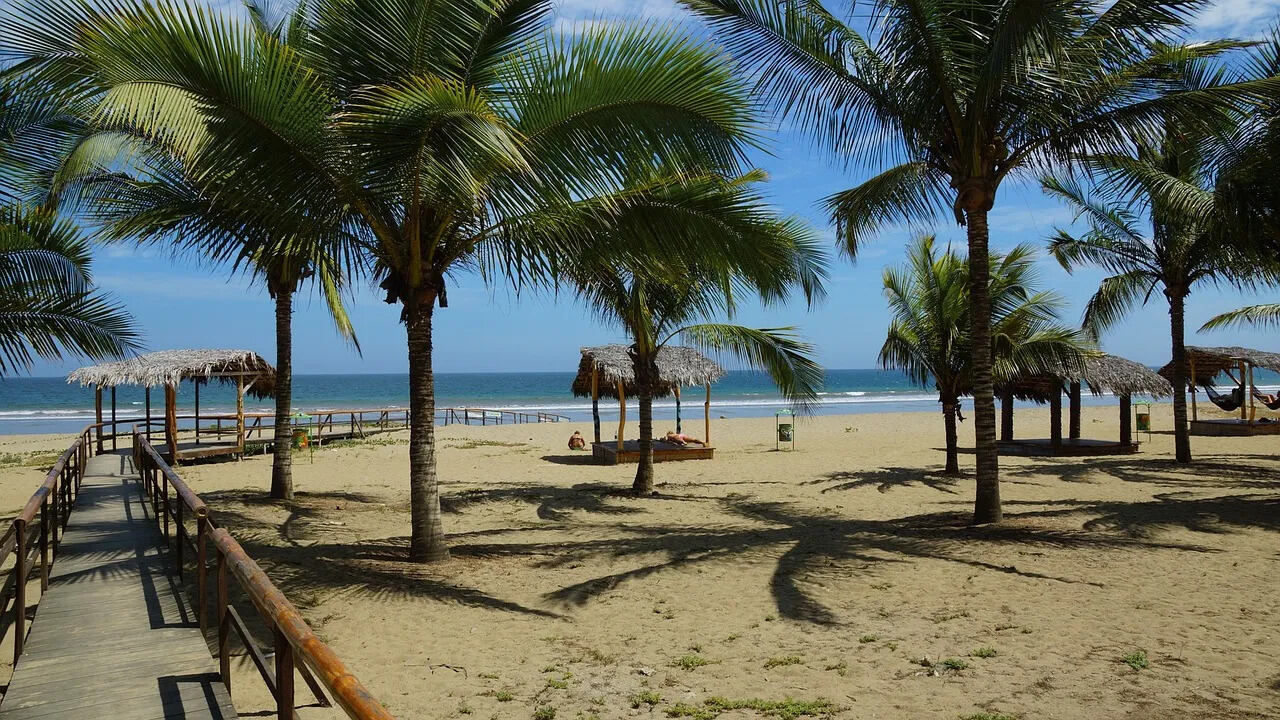
The country's coastline stretches over 2,237 kilometers, encompassing a variety of coastal regions and beach towns. On the mainland, the most accessible beaches sit within a few hours of Guayaquil: Salinas is the busiest, with a long malecon and calm waters for swimming, while Montañita is the surf hub, known for its consistent waves and nightlife. Further north, Canoa and Mompiche are quieter, with dark sand and strong currents—swim only in marked areas. The Galapagos beaches are wilder, with white sand and sea lions, but currents can be strong, so stick to the visitor sites. For a mix of culture and coast, the town of Bahía de Caráquez has a peaceful seafront and is a good base for exploring nearby mangroves. If you’re planning a longer trip, combine the coast with the highlands and the capital—see our guides for hiking and the outdoors in Ecuador and things to do in Quito, Ecuador. For those with time, the interior’s cacao farms offer hidden chocolate tours in Ecuador's cacao farms, a good break from the sand. And if you’re curious about the region’s geography, the countries border Ecuador are Colombia and Peru, both a short flight or bus ride away.
