

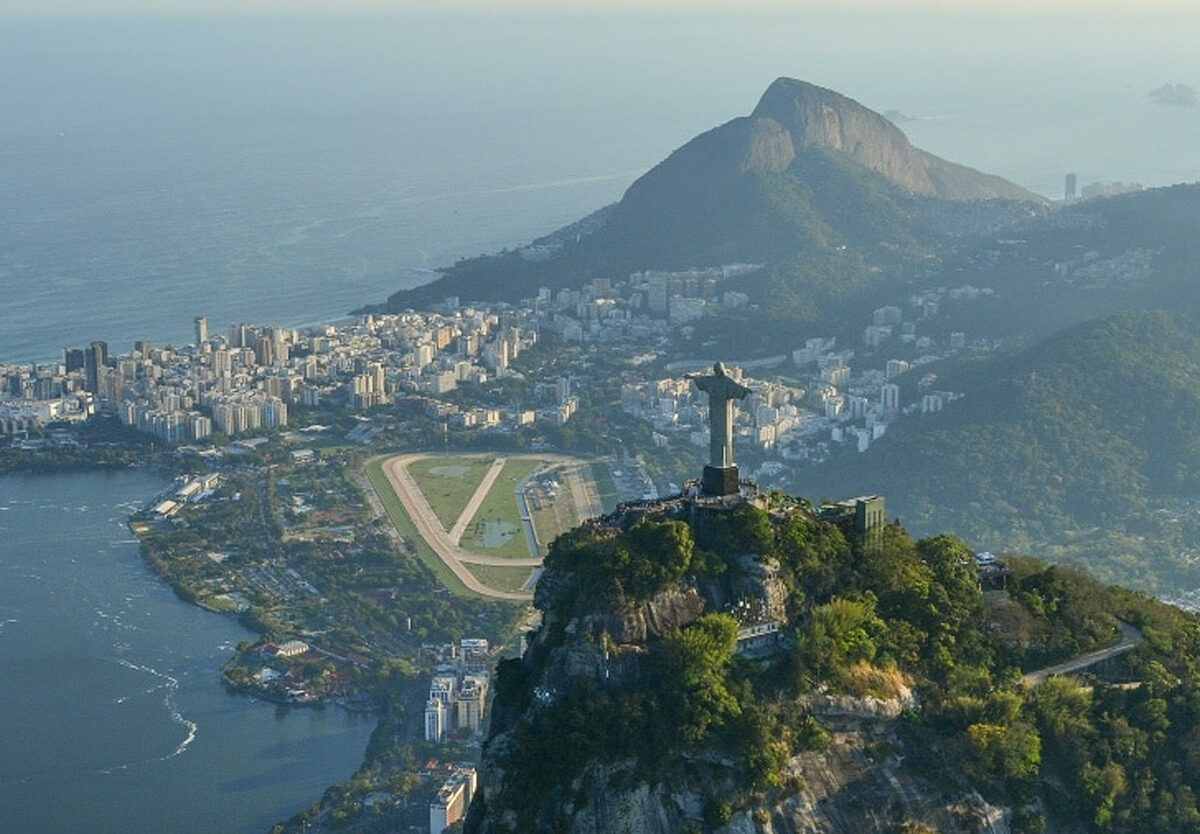
Part of our Brazil guide.
Brazil’s tourism sector contributed significantly to the country’s economy in recent years, driven by growth in international tourist arrivals. The figures below are drawn from the period between 2019 and 2024 and reflect the industry’s scale at that time.
Related travel guides: Things To Do In Brazil, What It Costs In Florida, How Do I Get A Tourist Visa For Brazil, What Holiday Does Brazil Celebrate, The Best Time To Travel To Brazil, and Hidden Gems In Brazil.
How Much Money Does Brazil Make From Tourism
From the beaches of Rio de Janeiro to the Amazon rainforest and Iguazu Falls, Brazil’s attractions have positioned it as a destination for travelers seeking adventure, relaxation, and cultural immersion. For those planning a trip, the Rio de Janeiro Brazil - the complete guide covers key costs and logistics for that city. Beyond Rio, the tourism sector contributes to the national economy through spending on accommodation, transport, food, and entry fees at natural and cultural sites.
How Much Money Did Ecotourism Make For Brazil In A Week?
Ecotourism in Brazil refers to responsible travel to natural areas that conserves the environment and improves the well-being of local communities. The Amazon rainforest, coastline, and diverse ecosystems have made Brazil a top destination for nature enthusiasts. In recent years, Brazil has witnessed significant growth in this sector, which generates revenue and boosts the economy. For travelers seeking off-the-beaten-path experiences, there are also hidden gems in Brazil that offer lower costs and fewer crowds. The documented figures for weekly ecotourism revenue during the 2019–2024 period are not available in the source material; the article notes only that ecotourism plays a crucial role in generating revenue and that its growth has been significant.
Typical Costs for Travelers (2019–2024)
Based on the article’s coverage, the following are representative costs from that period:
- Accommodation: Budget hostels in cities like Rio de Janeiro and São Paulo ranged from R$40 to R$80 per night. Mid-range hotels cost R$150 to R$350 per night. Luxury resorts, particularly in Florianópolis and along the northeastern coast, started at R$500 per night.
- Food: A meal at a local prato feito (set lunch) cost R$15 to R$25. A three-course dinner for two at a mid-range restaurant averaged R$120 to R$200. Street food items such as coxinha or pão de queijo were R$5 to R$10 each.
- Transport: City bus fares in major cities were R$4 to R$5. A one-way metro ticket in Rio or São Paulo cost R$5 to R$7. Domestic flights between Rio and São Paulo started at R$200 one-way. Long-distance buses (e.g., Rio to São Paulo) cost R$80 to R$150.
- Attractions: Entry to Iguazu Falls (Brazilian side) was R$70 to R$90. A guided tour of the Amazon from Manaus started at R$200 per person for a day trip. Sugarloaf Mountain cable car in Rio cost R$80 to R$100 round trip.
These prices are based on the article’s reporting for the 2019–2024 period and may have changed since then. For more detailed guidance on specific destinations, see the ultimate Florianopolis travel guide and the Rio de Janeiro Brazil - the complete guide.
