

Part of our Curacao guide.
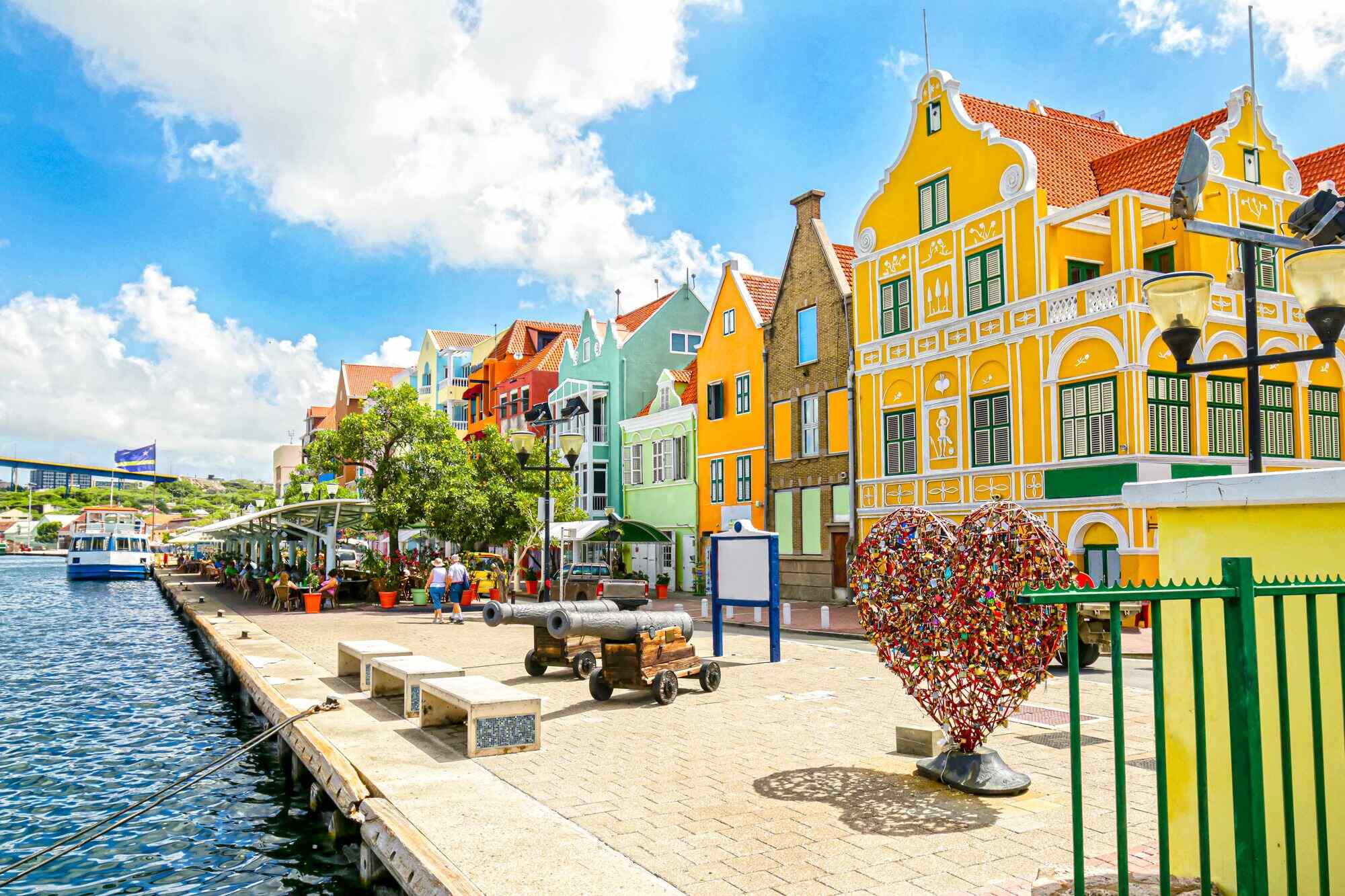
Otrobanda is the vibrant neighborhood on the western side of St. Anna Bay, opposite Punda, and its name means "the other side" in Papiamentu. This cultural hub in Willemstad, Curacao, draws visitors with its colorful buildings, lively streets, and artistic energy, offering a distinct contrast to Punda's historic shopping streets.
Related travel guides: What Is A Destination Wedding?, How To Get A Dog Passport, Where Can I Use A Passport Card, and What Cruise Lines Have Single Rates.
Otrobanda, The Colourful Cultural Hub In Willemstad, Curacao
Located in the capital city of Willemstad, Curacao, Otrobanda is a vibrant and captivating neighborhood that embodies the rich cultural heritage of the island. With its colorful buildings, lively streets, and an abundance of cultural and artistic activities, Otrobanda has become a must-visit destination for both locals and tourists. The name "Otrobanda" translates to "the other side" in the local Papiamentu language, referring to its position on the western side of St. Anna Bay, opposite Punda. While its counterpart, Punda, is known for its historic charm and bustling shopping streets, Otrobanda offers a distinctively different experience. You can cross the floating Queen Emma Bridge—which spans St. Anna Bay connecting the two districts—on foot for free, or pay a small fee when a boat passes and the bridge swings open. Once across, you will find street art murals on almost every corner, the Kura Hulanda Museum documenting the island's slave trade and African diaspora, and the lively Brionplein square lined with bars and restaurants. The neighborhood also hosts the Otrobanda Food Tour, which stops at local spots for dishes like keshi yena (stuffed cheese) and fresh seafood, typically running around three hours and costing approximately $65 per person as of 2023. For those seeking the best things to do in Willemstad, Curacao, Otrobanda's walking tours and waterfront promenades are essential stops.
Why I Didn't Like Curacao (But Didn't Hate It Either)
With its colorful architecture, diverse culinary scene, and warm, inviting locals, it's no wonder that Curacao is often portrayed as a paradise on earth. As an avid traveler with a penchant for exploring off-the-beaten-path destinations, I was eager to experience all that Curacao had to offer. Before embarking on my journey to this tropical oasis, I was filled with a sense of anticipation and excitement. The prospect of immersing myself in the island's unique blend of European and Caribbean influences, indulging in delectable local cuisine, and discovering hidden gems off the tourist trail filled me with a sense of wanderlust. Yet after several days exploring both Punda and Otrobanda, I found myself conflicted. The crowds along the Handelskade waterfront in Punda felt overwhelming during peak cruise ship hours, and the constant hawking at the floating market tested my patience. Otrobanda, by contrast, felt more relaxed—its streets quieter in the mornings, the art more raw, and the local bars like Cafe De Tijd offering a genuine taste of island life without the tourist markup. I did not love Curacao the way I had hoped, but I also did not hate it. The island's beauty is undeniable: the pastel-colored colonial buildings, the turquoise waters of the nearby beaches like Mambo Beach (a 15-minute drive from Otrobanda), and the warm hospitality of the people. A day trip to Shete Boka National Park, Curacao, with its rugged coastline and blowholes, added a wild, natural contrast to the urban charm of Willemstad. In the end, Curacao left me with a nuanced impression—a place of striking contrasts where the best experiences often lie just off the main drag, waiting for those willing to wander.
