

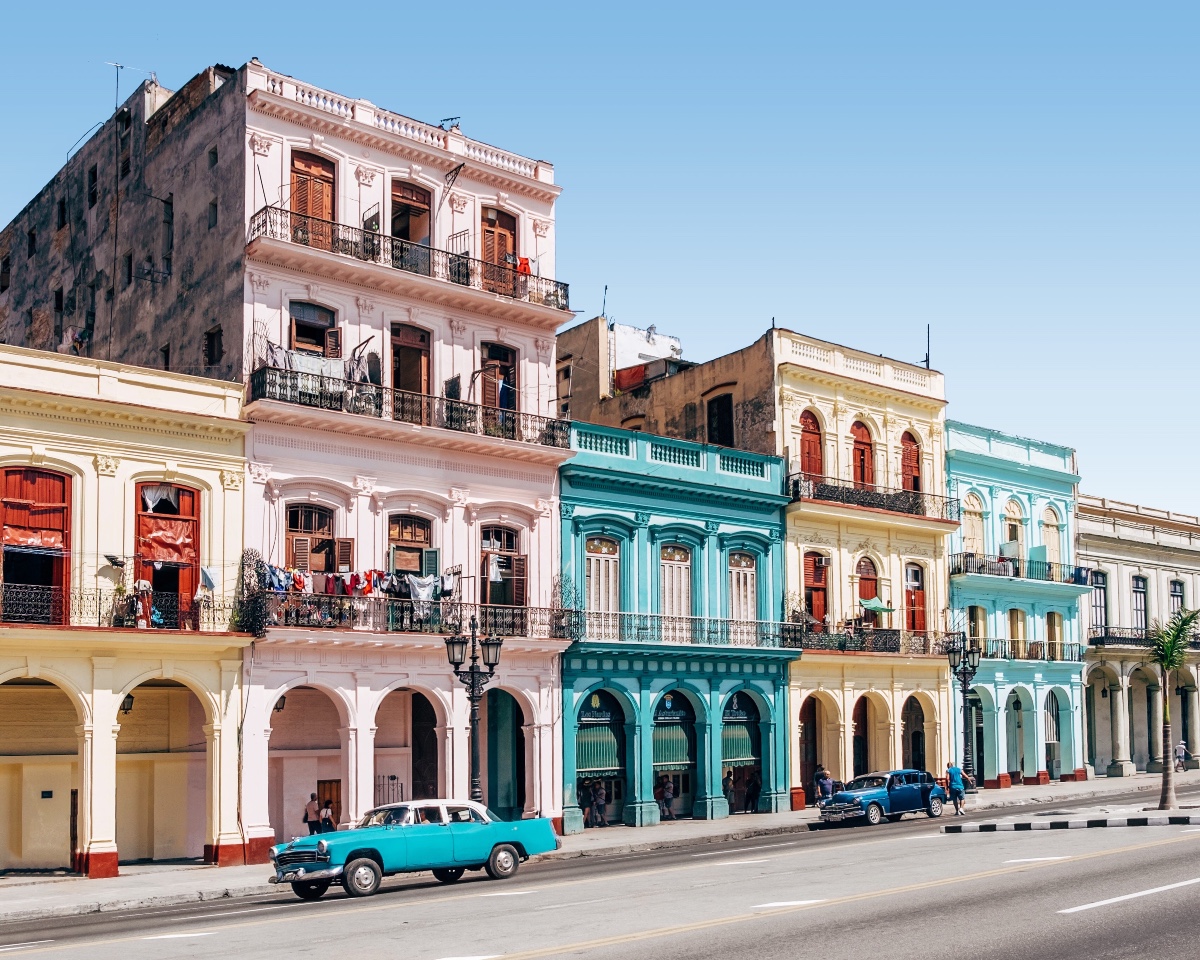
Part of our Cuba guide.
Yes, Cuba is safe for travel. Petty crime like bag-snatching occurs in tourist areas, but violent crime against visitors is rare. Use common sense: leave valuables in your hotel safe, avoid poorly lit streets at night, and keep a copy of your passport separate from the original.
Related travel guides: Things To Do In Cuba.
What Travel Insurance Do I Need For Cuba
Cuba requires all visitors to carry valid travel insurance that covers medical evacuation and repatriation. The policy must be active for the entire stay. If you arrive without proof, you will be sold a Cuban insurance plan at the airport — expect to pay roughly €30–€50 per week. Check your existing health or travel insurance before departure; many European and Canadian policies already cover Cuba. U.S. policies often exclude Cuba, so verify with your provider. Bring a printed copy of the certificate — digital versions are not always accepted at immigration.
More about Cuba
Practical Safety Tips
Keep small bills in a separate pocket for street purchases. Avoid changing money on the street; official exchange houses (CADECA) give the best rates. At night, stick to well-lit main streets in Havana, especially in Centro Habana and parts of Old Havana. If you rent a car, never leave luggage visible inside — theft from rental cars is common. For beach days, watch your belongings; the best clothing-optional spots in Cuba tend to be remote and lightly patrolled, so leave non-essentials at your accommodation.
Money and Costs
As of 2024, Cuba operates a dual-currency system for tourists: the Cuban Peso (CUP) for locals and a separate digital currency (MLC) for many tourist services. Bring euros, British pounds, or Canadian dollars — U.S. dollars incur a 10% penalty on exchange. Credit and debit cards issued by U.S. banks do not work in Cuba. Budget around 100–150 CUP per day for meals in paladares (private restaurants), plus 30–50 CUP for local transport. Accommodation in a casa particular ranges from 30–60 CUP per night. Always carry enough cash for the full trip; ATMs are scarce and often out of order.
Getting Around
Taxis in Havana charge roughly 0.50 CUP per kilometer for classic cars, slightly more for modern air-conditioned taxis. For longer distances, Viazul buses connect major cities — book seats a day in advance. Shared taxis (colectivos) are cheaper but less comfortable. If you plan to explore beyond Havana, look for hidden gems in Cuba like Viñales Valley or the colonial town of Trinidad; both are accessible by bus or private taxi.
Connectivity and Essentials
WiFi is available at ETECSA hotspots and many hotels, but speeds are slow. Buy a 1-hour WiFi card for 1 CUP at any ETECSA office. For a full checklist of what to pack, see our travel essentials in Cuba page. Sunscreen, insect repellent, and any prescription medications are hard to find on the island — bring your own supply. If you need a visa, check travel to Cuba: how to get a visa for the latest entry requirements; most nationalities can obtain a tourist card online or at the airport before departure.
