

Part of our Pacific Islands guide.
8 places and guides from our Pacific Islands coverage, gathered into one page.
Related travel guides: Things To Do In Pacific Islands, Beaches In Pacific Islands, Hiking And The Outdoors In Pacific Islands, What It Costs In Pacific Islands, and Pimp My Bus Ride: Samoan Buses Are A Unique Experience.
Flamingo Flats In Salty Lagoons
Flamingos gather in salty lagoons because the high salt content supports the algae, crustaceans, and small fish that make up their diet, while also deterring predators. Their unique adaptations let them filter food from brine that would kill most birds, and the pink colour comes from pigments in the shrimp and algae they eat.
Coral Spawning At Palau's Blue Corner
At Palau's Blue Corner, coral spawning turns the ocean into a living fireworks display when corals simultaneously release eggs and sperm into the water. This event usually happens a few nights after the full moon, triggered by water temperature and lunar cycles. Divers who time their visit right can swim through clouds of pink and orange gametes while reef fish feed on the bounty.
Great Barrier Reef Night Diving
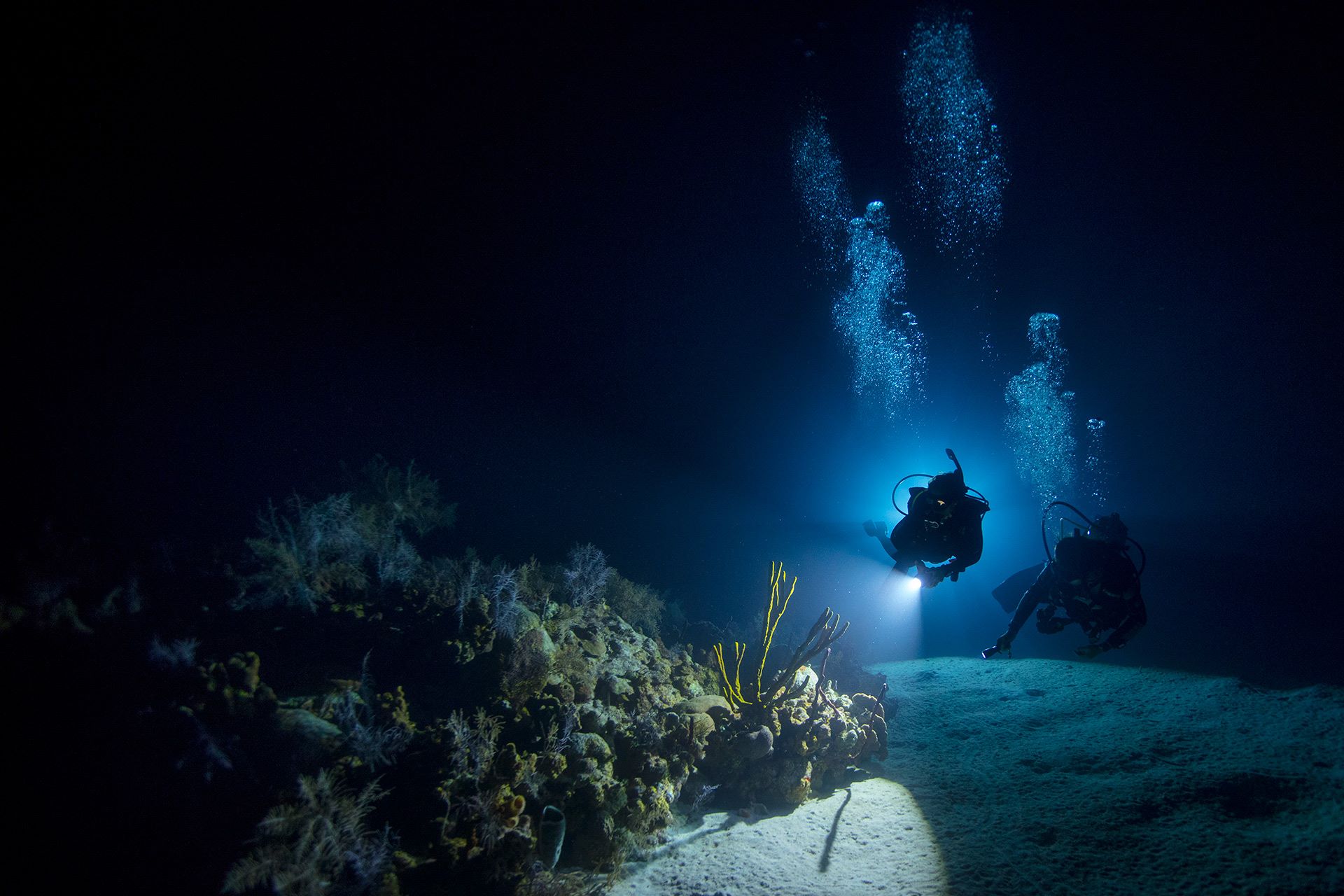
Night diving in the Great Barrier Reef reveals a bustling underwater city: sleeping parrotfish tuck themselves into crevices, octopuses hunt along the sand, and bioluminescent plankton flash with every kick of your fin. The reef's nocturnal creatures—like Spanish dancers, moray eels, and crab-eyed lobsters—emerge only after dark. Most live-aboard operators offer guided night dives with powerful torches, and the experience is a highlight for anyone exploring Oceania highlights and travel tips in Pacific islands.
Palau's Blue Corner Diving Sites
Palau's Blue Corner is a diver's paradise where strong currents funnel nutrient-rich water past a coral-covered drop-off, attracting schools of jacks, barracuda, grey reef sharks, and the occasional manta ray. Divers drift along the wall at depths between 15 and 30 metres, holding onto a reef hook in the current to watch the action. The site is accessible only by boat from Koror, and conditions are best from November to April when visibility exceeds 30 metres.
Coral Reef Fish Spawning In Palau's German Channel
In Palau's German Channel, coral reef fish gather in massive numbers to release eggs and sperm in a synchronized underwater ballet. The channel, a deep cut through the reef built by German miners in the early 1900s, becomes a hotspot during the new moon when snappers, groupers, and surgeonfish spawn in dense clouds. Divers can witness the event from a depth of 10 to 20 metres, where the water pulses with silver bodies and milky gametes.
Rangiroa Blue Lagoon Snorkel Trip
The Blue Lagoon on Rangiroa Atoll in French Polynesia offers snorkelers water so clear it feels like floating in the sky, with calm conditions perfect for all skill levels. The lagoon's protected inner reef hosts green sea turtles, blacktip reef sharks, and schools of neon fairy basslets. A typical half-day trip from the main village of Avatoru costs about 6,000 XPF (around US$55) per person and includes snorkel gear and a guide. The atoll is part of the Tuamotu Archipelago, and the best visibility occurs during the dry season from May to October.
The Red Sea Dolphin Dive
The Red Sea's dolphin diving hotspots—such as Samadai Reef near Marsa Alam and Sha'ab Rumi in Sudan—offer crystal-clear water, vibrant coral gardens, and resident pods of spinner and bottlenose dolphins. Most live-aboard itineraries include a dawn dive at a dolphin house, where the animals often approach swimmers in the shallows. Trips typically run from Hurghada or Port Ghalib, with seven-night packages starting at around €1,200 per person, including meals, tanks, and park fees.
The Coral Crescents
The Fairy Basslet reefs of the Coral Crescents—a chain of seamounts stretching from Fiji to Tonga—host dense aggregations of the tiny, electric-purple fish that give the site its name. The crescents rise from depths of over 1,000 metres to within 5 metres of the surface, creating nutrient-rich upwellings that feed gorgonian fans and soft corals. Live-aboard charters from Nadi, Fiji, run week-long trips to the outer crescents from June to September, when seas are calmest and visibility exceeds 40 metres.
