Part of our Australia guide.
A two-week vacation to Australia typically costs between AUD $3,500 and $7,000 per person, depending on your travel style and destinations. This estimate covers mid-range accommodation, domestic transport, meals, and key activities.
Related travel guides: What It Costs In Budget Travel and What It Costs In Spain.
How Much Does A Vacation To Australia Cost
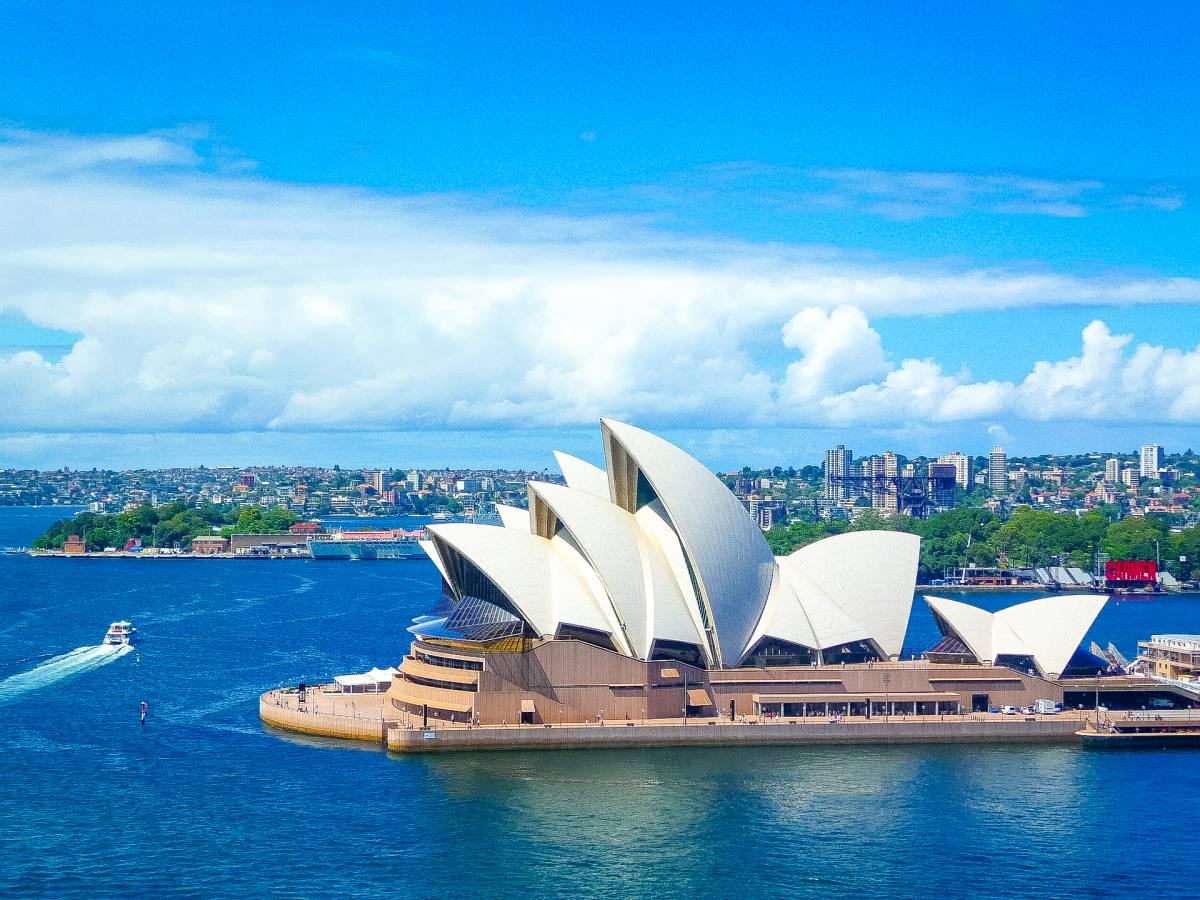
The biggest single expense is international airfare, which from the US or Europe often ranges from AUD $1,200 to $2,500 return. Accommodation varies widely: a hostel dorm bed costs AUD $30–$50 per night, a budget hotel or Airbnb AUD $100–$200, and a four-star hotel AUD $200–$400. Dining averages AUD $20–$40 for a casual meal and AUD $60–$100 for a three-course dinner with drinks. Car rental runs from AUD $50–$120 per day, while domestic flights between cities like Sydney and Cairns cost AUD $100–$300 one-way. Major attraction entry fees include the Sydney Opera House tour (AUD $42), Great Barrier Reef snorkeling day trips (AUD $200–$300), and national park entry (often AUD $10–$20 per vehicle). Travel insurance typically adds AUD $100–$200 for the trip. For those seeking travel inspiration in Australia, the diversity of experiences—from urban exploration to remote wilderness—justifies the range in spending.
How Much Money Does Australia Make From Tourism
Tourism contributes approximately AUD $60 billion annually to the Australian economy. International visitors spend about AUD $45 billion of that total, with domestic tourism adding the remainder. The sector directly employs around 660,000 people. Key drivers include the Sydney Opera House, the Great Barrier Reef, and coastal destinations. The industry’s revenue has grown steadily since 2010, though it fluctuates with global travel trends and seasonal demand. If you are wondering are holiday traditions in Australia part of the draw, the summer Christmas and Boxing Day sales also boost tourist spending significantly.
Visiting Fraser Island: Logistics, Costs, Ways To Save, & More
Fraser Island (K’gari) is the world’s largest sand island, located off Queensland’s eastern coast. Access is by ferry from Hervey Bay or Rainbow Beach; a vehicle ferry costs around AUD $200–$250 return for a 4WD. Entry to the Great Sandy National Park costs AUD $54.95 per vehicle for up to one month. Accommodation ranges from AUD $35 per night for a campsite to AUD $200–$400 for a resort room. Fuel for 4WD driving on the island’s soft sand tracks adds roughly AUD $100–$150 for a three-day trip. A self-drive tour with a hired 4WD (AUD $200–$350 per day) is the most flexible option, while guided tours cost AUD $250–$400 per person per day. To save, travel in a group to split ferry and fuel costs, bring your own food and camping gear, and visit in the shoulder season (March–May or September–November). The island’s lakes, including Lake McKenzie, are free to access once you have paid the park entry. For hiking and the outdoors in Australia, the island offers the 90-kilometre Great Walk, which requires a permit (AUD $6 per person per night).
Budget Tips For Taking A Surf Trip Along The East Coast Of Australia
Plan your surf trip along the East Coast from Sydney to Cairns, hitting breaks like Bondi Beach, the Gold Coast, and Byron Bay. Accommodate on a budget by staying in surf hostels (AUD $30–$50 per night) or camping at beachside sites (AUD $15–$25 per night). Rent a board and wetsuit for around AUD $30–$50 per day, or buy a secondhand board for AUD $200–$400 and sell it at the end of your trip. Cook your own meals and shop at local markets to keep food costs under AUD $25 per day. Use budget airlines like Jetstar or Tigerair for longer jumps between cities, and consider a Greyhound bus pass (AUD $400–$600 for a 30-day pass) for flexible coastal travel. Many of the best breaks are free public beaches, so you only pay for transport and gear. If you are looking for beaches in Australia, the East Coast has over 1,000 accessible surf breaks, with peak conditions from December to February in the south and year-round in the north.