

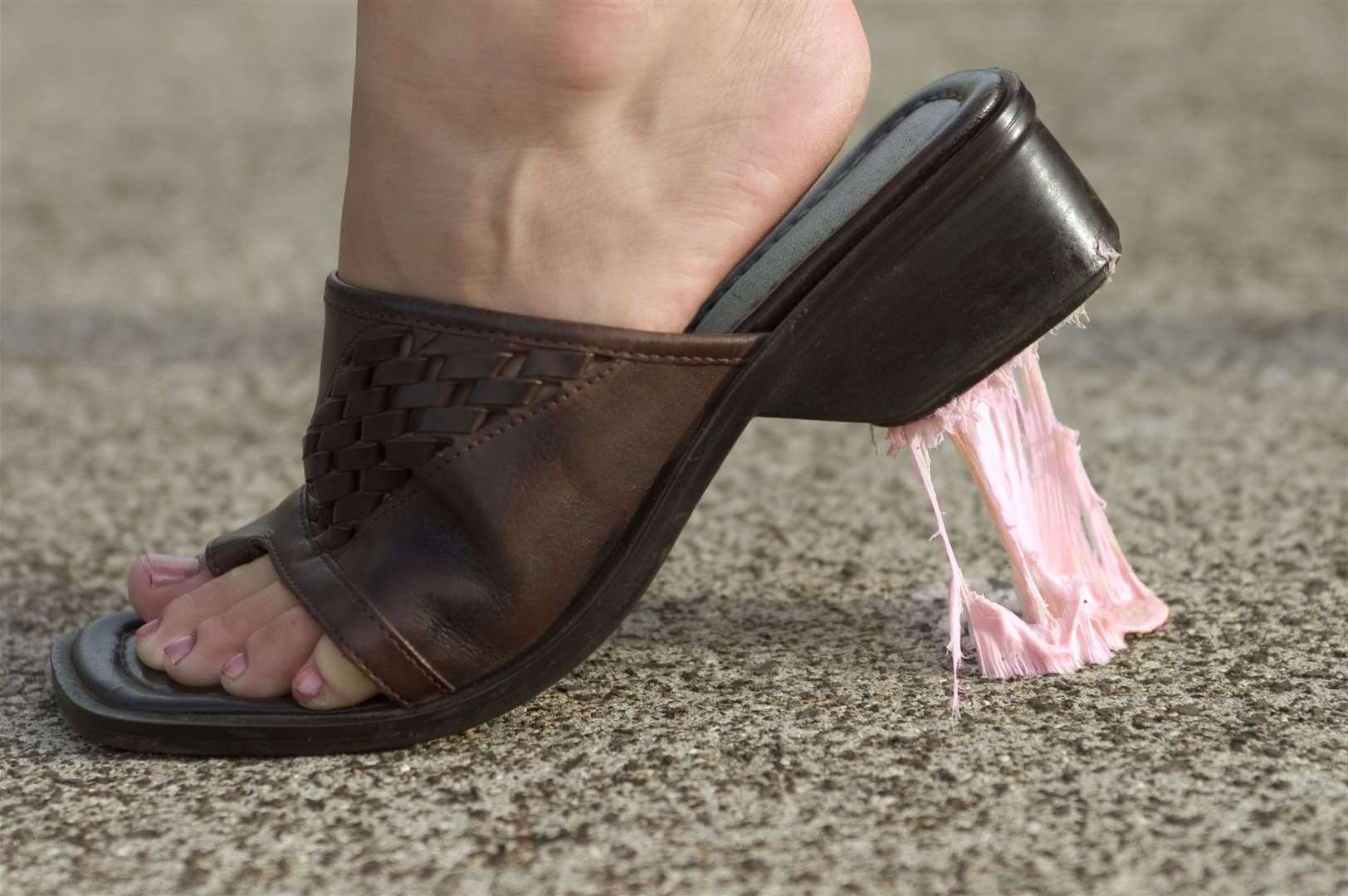
Back in 1992, the government outlawed chewing gum after vandals used it to disrupt MRT train services and to keep public spaces clean. People were sticking gum everywhere—on sidewalks, under tables, and even on MRT train door sensors!
Vandals used gum to jam MRT train door sensors, causing service disruptions. The ban aimed to maintain Singapore's reputation as one of the cleanest cities in the world. Today, you can’t buy or sell chewing gum in Singapore, but you can bring a small amount for personal use.
Related travel guides: Things To Do In Singapore and Marina In Singapore.
The Chewing Gum Ban: A Brief History
In 1992, Singapore introduced a ban on chewing gum. The reasoning behind it is both practical and fascinating.
Cleanliness and Public Spaces
Singapore prides itself on being one of the cleanest cities in the world. Chewing gum posed a significant challenge to maintaining this standard.
- Gum on Public Transport: Chewing gum often ended up stuck on seats and floors of buses and trains. Cleaning it was time-consuming and costly.
- Vandalism: Vandals used gum to jam MRT train door sensors, causing service disruptions and inconvenience.
- Littering: Discarded gum littered streets and sidewalks, creating unsightly messes that required constant cleaning.
Health and Safety Concerns
Beyond cleanliness, health and safety played a crucial role in the ban.
- Choking Hazards: Improperly disposed gum posed choking risks, especially for young children.
- Pest Attraction: Gum residue attracted pests like ants and rodents, which could spread disease.
- Slip Hazards: Gum stuck on floors created slip hazards, leading to potential injuries.
Economic Impact
The economic implications of chewing gum were also considered.
- Cleaning Costs: The government spent millions annually on gum removal, funds that could be better used elsewhere.
- Maintenance: Constant repairs and maintenance due to gum-related damages strained public resources.
- Tourism: A cleaner city attracted more tourists, boosting the economy and enhancing Singapore's global image.
Exceptions and Adjustments
Despite the ban, some exceptions and adjustments have been made over the years.
- Therapeutic Gum: Chewing gum with therapeutic benefits, like nicotine gum, is allowed but strictly regulated.
- Special Permits: Certain businesses can apply for permits to sell gum, provided they adhere to strict guidelines.
- Public Awareness: Ongoing campaigns educate the public on the importance of maintaining cleanliness and adhering to the ban.
Public Reaction and Compliance
The public's response to the ban has evolved over time.
- Initial Resistance: Initially, many resisted the ban, viewing it as overly strict.
- Gradual Acceptance: Over time, most citizens accepted the ban, recognizing its benefits.
- Cultural Shift: The ban contributed to a broader cultural shift towards greater civic responsibility and pride in public spaces.
Singapore's Chewing Gum Ban: A Unique Approach
Singapore's chewing gum ban isn't just about cleanliness. It's a reflection of the country's commitment to public order and civic responsibility. By prohibiting gum, Singapore has maintained pristine streets and efficient public transport systems. This policy, while strict, has contributed to the city's reputation as one of the cleanest places in the world.
The ban highlights Singapore's unique approach to governance. Rather than relying solely on fines or public campaigns, the government chose a direct method to tackle a specific problem. This decision has sparked debates and curiosity worldwide, making it a fascinating case study in public policy.
Understanding the reasons behind this ban offers insight into Singapore's broader strategies for maintaining order and cleanliness. For those looking to explore the city efficiently, getting around Singapore is easy thanks to the clean and reliable MRT system—a system that the gum ban was designed to protect.
