

The best time to visit the Philippines is during the dry season from November to April, when you get crystal clear waters and minimal rain for beach activities and island hopping. The catch is that December to February draw the biggest crowds and highest prices, so budget travelers should aim for the shoulder months of November or April instead.
Best Time to Visit
The Philippines has a tropical climate with two main seasons: the dry season and the rainy season. The best time to visit depends on your planned activities and regions.
The dry season, from November to April, is generally considered the best time. The weather is cooler with less rainfall, ideal for beach activities and outdoor adventures. December to February are especially popular for pleasant temperatures and minimal rain. For popular destinations like Boracay, Palawan, or Cebu, the dry season offers crystal clear waters, white sandy beaches, and water sports such as snorkeling, diving, and island hopping.
Budget travelers or those wanting to avoid crowds can visit during the shoulder seasons of November or April, when good weather combines with lower hotel rates and fewer tourists.
The rainy season, from May to October, brings frequent rainfall, high humidity, and possible typhoons. However, landscapes become lush and green, and you can enjoy discounted rates on accommodations and activities. Be prepared for occasional downpours and plan outdoor activities accordingly.
Weather varies by region. Northern areas like Luzon and the Cordillera region have a cooler climate due to higher elevation. Southern regions, including Mindanao and the Visayas, have a more consistent tropical climate year-round.
When planning your trip, remember that citizens from many countries, including the United States, Canada, the United Kingdom, Australia, New Zealand, and most European countries, can enter the Philippines without a visa for up to 30 days for tourism purposes. The main entry point is Ninoy Aquino International Airport (NAIA) in Manila, which serves as a hub for both domestic and international flights. There are also international airports in other major cities, including Cebu and Davao. For a deeper dive into what to pack and plan, check our guide on travel essentials in Philippines. And if you're seeking less crowded spots, don't miss our list of hidden gems in Philippines.
In summary, the best time to visit is during the dry season from November to April, though the shoulder season offers a good balance of affordability and weather. Regardless of timing, the Philippines offers breathtaking beauty and warm hospitality.
Getting In and Out
Getting to the Philippines is relatively easy, as it is well-connected to major international airports around the world.
International airlines such as Philippine Airlines, Cebu Pacific, and AirAsia offer regular flights to and from various destinations in Asia, Europe, America, and Australia. Some popular routes include flights from Hong Kong, Singapore, Kuala Lumpur, Seoul, Tokyo, and Los Angeles.
If you're traveling from within Southeast Asia, there are also budget airlines that offer affordable flights to the Philippines, including AirAsia, Cebu Pacific, and Scoot. These airlines often have promotions and discounts, so it's worth keeping an eye out for those.
Once you arrive in the Philippines, there are several options for getting around the country. Domestic flights are a popular choice, especially if you're traveling between different islands. Philippine Airlines, Cebu Pacific, and AirAsia all offer domestic flights to various destinations.
If you prefer a more scenic journey, you can take ferries or boats to travel between islands. There are regular ferry services that connect major islands like Luzon, Visayas, and Mindanao. Some popular ferry routes include Manila to Batangas, Cebu to Bohol, and Dumaguete to Siquijor.
For shorter distances within cities, taxis and ride-hailing services like Grab are readily available. Public transportation options such as jeepneys, tricycles, and buses are also common and affordable.
When it comes to leaving the Philippines, make sure to check the travel requirements and visa regulations of your destination country. NAIA in Manila has international flights departing to various destinations, and other international airports in Cebu and Davao also offer international departures.
Before leaving the Philippines, allow ample time for check-in and security procedures, as well as any necessary immigration processes. It is recommended to arrive at the airport at least two to three hours before your international flight.
Overall, getting in and out of the Philippines is convenient and hassle-free, with a range of flight options and transportation choices available. With good planning and preparation, your trip to the Philippines is sure to start and end smoothly, allowing you to make the most of your time in this beautiful country.
Visa Requirements
Visa requirements for entering the Philippines vary depending on your nationality and the purpose and duration of your stay. It's important to check the specific requirements for your country before you travel to ensure a smooth entry into the country.
For citizens of certain countries, a visa-free entry is permitted for a specified period of time.
If you plan to stay longer or engage in activities other than tourism, such as business or employment, you will need to obtain the appropriate visa before your trip. The most common types of visas include:
- Tourist Visa: This visa allows for a stay of up to 59 days and can be extended for an additional 30 days.
- Business Visa: For those engaging in business-related activities, this visa allows for a longer stay and may require additional documentation such as an invitation letter from a Philippine company.
- Student Visa: If you plan to study in the Philippines, you will need to obtain a student visa, which is issued by the Philippine Embassy or Consulate in your home country.
- Work Visa: If you have secured employment in the Philippines, your employer will typically handle the work visa application process on your behalf.
To apply for a visa, you will need to submit the required documents, including a completed application form, a valid passport with at least six months of validity, proof of travel itinerary, proof of financial capacity, and any additional documents specific to the type of visa you are applying for.
If you are planning to stay in the Philippines for an extended period or have any specific visa-related concerns, it's advisable to consult with the Philippine Embassy or Consulate in your home country for the most up-to-date and accurate information.
Upon arrival in the Philippines, you will need to present your passport, completed arrival card, and any supporting documents to the immigration officer. It's important to have your travel documents in order and be prepared to answer any questions about the purpose of your visit.
Keep in mind that visa requirements and regulations can change, so it's best to check with official government sources or the Philippine Embassy or Consulate in your country for the most current information.
By familiarizing yourself with the visa requirements and preparing the necessary documents in advance, you can ensure a smooth entry and enjoyable stay in the Philippines.
Currency and Money
The official currency of the Philippines is the Philippine Peso (PHP). To get the best exchange rates, exchange your currency at authorized money changers or banks rather than hotels or tourist areas. Compare rates between different money changers for the best deal.
ATMs are widely available in major cities and tourist areas, allowing you to withdraw cash in Philippine Pesos using international debit or credit cards. Notify your bank about your travel plans in advance to avoid card issues. Check with your bank for any international withdrawal fees.
Credit cards, especially Visa and Mastercard, are accepted at hotels, restaurants, and larger establishments. However, carry cash for smaller shops, local transportation, and street vendors that may not accept cards.
Carry small bills and coins, as some smaller vendors may not have change for larger denominations. This also makes tipping or paying for small purchases easier. Tipping is customary in the Philippines—10% to 15% of the total bill for good service in restaurants—but it is not mandatory.
Keep your money secure by avoiding displaying large amounts of cash. Use a money belt or secure pouch in crowded areas or on public transportation. Plan a budget and track expenses, as costs vary: major cities like Manila and tourist areas are pricier than remote or rural locations. Always have emergency funds or a backup card for unexpected situations.
By managing your finances wisely, you can enjoy a smooth stay in the Philippines. For more on travel essentials in Philippines, ensure you also understand the hidden meanings behind the Philippine flag to enrich your cultural experience.
Language and Communication
The official languages of the Philippines are Filipino (based on Tagalog) and English. English is widely spoken throughout the country, making it easy for English-speaking travelers to communicate. Street signs, menus, and important information are often available in English, especially in urban areas and tourist destinations.
Filipino is the national language. Learning a few basic phrases can help you connect with locals and show respect for their culture, particularly in rural or less touristy areas where English proficiency may be limited.
- "Magandang araw po" – Good day
- "Salamat" – Thank you
- "Oo" – Yes
- "Hindi" – No
- "Paalam" – Goodbye
- "Saan ang banyo?" – Where is the bathroom?
- "Magkano ito?" – How much is this?
The Philippines has a well-established mobile network and internet infrastructure. You can buy a local SIM card upon arrival at the airport or at convenience stores, giving you access to affordable data plans. Hotels, restaurants, and cafes often offer free Wi-Fi, though speed and reliability may vary. For calls or SMS, prepaid SIM cards are a cost-effective option.
Understanding the travel document number in a Philippine visa or entry stamp is straightforward—it is typically printed on the visa sticker or arrival card. For those exploring beyond the cities, hidden gems in Philippines often require patience with local dialects, but a smile and a simple "Salamat" go a long way. Overall, language and communication in the Philippines should not pose a major barrier for English-speaking travelers.
Transportation
Getting around the Philippines is relatively easy, with a variety of transportation options. From planes and ferries to public buses and tricycles, there are several ways to navigate this archipelago.
Domestic flights are a popular choice for traveling between major cities and different islands. Philippine Airlines, Cebu Pacific, and AirAsia offer regular flights to various destinations, making it convenient to explore different parts of the country. Domestic flights are especially useful for covering long distances in a relatively short time.
Ferries and boats are another common mode of transportation, particularly for traveling between islands. Ferries offer a scenic way to travel and are often budget-friendly.
In cities and towns, public transportation options such as buses, jeepneys, and tricycles are widely available. Jeepneys, which are unique to the Philippines, are brightly decorated vehicles that serve as a popular mode of transport. Buses are more common for longer distances and intercity travel.
Taxis and ride-hailing services like Grab are also available in major cities. Taxis are a convenient option for getting around cities, but make sure the driver uses the meter or agree on a price before starting the trip. Grab offers a safe and reliable option, with upfront pricing and no negotiation needed.
For shorter distances or getting around local neighborhoods, tricycles are a common form of transportation. These motorized vehicles are similar to tuk-tuks and can accommodate a few passengers. Make sure to negotiate the fare before getting on.
When it comes to driving, international visitors can use their valid driver's license for up to 90 days in the Philippines. However, traffic conditions and driving habits may be different from what you are accustomed to, so exercise caution and be aware of local traffic regulations.
Traffic congestion can be an issue in major cities, especially during peak hours. Plan your journeys accordingly to avoid getting stuck in traffic, and allow extra time for travel.
Overall, the transportation options in the Philippines cater to different needs and budgets. Whether you prefer the convenience of flying, the scenic beauty of ferries, or the local charm of jeepneys and tricycles, there's a transportation mode to help you explore the diverse beauty of the country. For those planning a trip, be sure to review your travel essentials in Philippines before departure.
Accommodation
When it comes to accommodation in the Philippines, you'll find a wide range of options to suit every budget and preference. From luxurious beachfront resorts to budget-friendly guesthouses, there is something to cater to every traveler's needs.
In popular tourist destinations like Boracay, Palawan, and Cebu, you'll find a plethora of high-end resorts and hotels offering luxurious amenities, breathtaking views, and top-notch facilities. These accommodations often come with private beaches, swimming pools, spa services, and a range of dining options.
If you're looking for more affordable options, there are plenty of guesthouses, inns, and budget hotels available. These accommodations may offer simpler amenities but still provide comfortable rooms and friendly service. In cities like Manila, you'll find a variety of accommodation options, including budget hotels, hostels, and serviced apartments.
The rise of online booking platforms has made it easier than ever to find and compare accommodation options in the Philippines. Popular websites such as Booking.com, Agoda, and Airbnb offer a wide selection of properties to choose from. It's advisable to read reviews, check the location, and consider the needs of your trip before making a booking.
If you prefer a more unique and immersive experience, consider staying in homestays or guesthouses run by local families. These accommodations provide a glimpse into the local way of life, allowing you to connect with the community and experience Filipino hospitality firsthand.
When choosing accommodation, consider the location and proximity to the attractions or activities you have planned. In big cities, it's convenient to stay in central areas with easy access to public transportation, shopping centers, and restaurants. In beach destinations, beachfront accommodations offer stunning views and direct beach access.
It's important to book your accommodation in advance, especially during peak travel seasons or popular festivals. This ensures you have a place to stay that meets your preferences and avoids any last-minute hassles.
In terms of safety, it's always a good idea to choose accommodation in secure and well-lit areas. Read reviews and check for safety measures, such as 24-hour security, CCTV cameras, and safe storage for valuables. It's also advisable to keep your personal belongings secure and practice general safety precautions during your stay.
By considering your budget, preferences, and location, you can find the perfect accommodation in the Philippines to enhance your travel experience and create lasting memories.
Food and Drinks
Exploring the diverse culinary scene in the Philippines is a delight for food lovers. Filipino cuisine is a fusion of flavors influenced by Spanish, Chinese, Malay, and American cultures. Rice is a staple, often served alongside meat, seafood, and vegetable dishes. Adobo, made with meat (often pork or chicken), soy sauce, vinegar, and spices, is considered the national dish. Sinigang, a sour soup made with tamarind and vegetables, is another popular choice.
Seafood lovers will find abundant options: freshly caught fish, shrimps, crabs, and mussels appear in dishes like grilled bangus (milkfish), sinigang na hipon (shrimp sour soup), and crispy pata (deep-fried pork knuckles). For adventurous eaters, balut (a partially developed duck embryo) is a popular street food, while Kare-Kare, a rich peanut-based stew with oxtail, tripe, and vegetables, offers a hearty meal.
Sweet treats include Halo-Halo, a refreshing dessert with crushed ice, sweet beans, fruits, and leche flan, and Bibingka, a rice cake topped with salted egg and cheese often enjoyed during Christmas. For drinks, San Miguel beer is the most popular local beer. Non-alcoholic options include calamansi juice, made from native calamansi fruits, and sago gulaman, a sweet beverage with tapioca pearls and gelatin.
During your visit, explore food scenes in local markets, food stalls, and restaurants. Filipino cuisine showcases the country’s cultural diversity and culinary creativity. Exercise caution with street food—look for busy stalls with good hygiene practices, and consult locals for recommendations. By indulging in these flavors, you’ll gain a deeper appreciation for the Philippines’ rich cultural heritage. For travelers planning their trip, understanding the travel essentials in Philippines can help ensure a smooth journey, while exploring the hidden gems in Philippines reveals lesser-known culinary spots worth seeking out.
Safety Tips
Prioritizing safety while visiting the Philippines ensures a smooth trip. Follow these tips:
- Research your destination: Before traveling to a specific area, learn local customs, culture, and the current safety situation. Check travel advisories from your home country.
- Stay connected: Inform loved ones of your plans and share contact details. Get a local SIM card or Wi-Fi access for reliable communication.
- Secure your belongings: Use a lockable bag, avoid displaying valuables, and be cautious with phones or cameras in crowded areas to prevent theft.
- Use reliable transportation: Stick to authorized taxis, ride-hailing services like Grab, or recommended providers. Agree on fare or use the meter before starting. On public transport, stay alert and guard your belongings.
- Be cautious of scams: Watch for overcharging, fake tour operators, or offers that seem too good to be true. Trust your instincts.
- Stay in well-lit and busy areas at night: Avoid dimly lit streets or alleys alone. Travel with a companion or group when possible.
- Respect local customs and traditions: Dress modestly at religious sites and follow cultural norms to avoid misunderstandings.
- Be mindful of your surroundings: In crowded areas, keep an eye on belongings, avoid carrying large sums of cash or expensive jewelry. Move to safer spots if you feel uncomfortable.
- Take care of your health: Stay hydrated, wear sunscreen, and protect against mosquito bites. Be cautious with local food and water—opt for bottled or boiled/filtered water. Carry a basic first aid kit and medications.
By following these safety tips and remaining vigilant, you can have a worry-free experience while exploring this beautiful country.
Health and Medical Facilities
Prioritizing your health while traveling to the Philippines is essential. The country has a mix of public and private healthcare facilities, with major cities offering a higher standard of care. Private hospitals are generally well-equipped with modern facilities and English-speaking medical staff.
For emergencies, the emergency hotline is 911. If you require medication, bring an adequate supply in original packaging, along with a copy of your prescription or a doctor’s letter.
Travel insurance is highly recommended to cover medical expenses, emergency treatment, and medical evacuation. Review the policy terms before your trip.
Mosquito-borne diseases like dengue fever and malaria are prevalent in some areas. Use insect repellent, wear protective clothing, and sleep in air-conditioned rooms or under mosquito nets. Tap water is generally not safe for drinking; opt for bottled or purified water. Avoid ice or uncooked food from street vendors unless you are confident in their hygiene.
In remote or rural areas, medical facilities may be limited. Carry a basic first aid kit with bandages, antiseptic, and medications for common ailments (e.g., pain relievers, antihistamines). Consult a travel healthcare provider before your trip for up-to-date vaccination advice and specific health concerns for your destinations.
By taking these precautions, staying hydrated, practicing good hygiene, and seeking medical assistance as needed, you can ensure a safe experience while exploring the Philippines. For those interested in broader preparation, understanding travel essentials in Philippines can further enhance your trip planning.
Must-See Places
The Philippines offers stunning landscapes, clear waters, and vibrant cultural experiences. Here are must-see places for every traveler:
- Boracay: Known for powdery white sand beaches and turquoise waters, a tropical paradise for beach lovers. Enjoy water sports, seafood, and sunsets.
- Palawan: Renowned for otherworldly beauty. El Nido and Coron offer limestone cliffs, lagoons, and coral reefs for snorkeling and diving. Don't miss the UNESCO-listed Underground River in Puerto Princesa.
- Siargao: Dubbed the "Surfing Capital of the Philippines," a dream for surfers. Explore Cloud 9 surf break, rock pools at Magpupungko, and Sugba Lagoon.
- Banaue Rice Terraces: Ancient engineering marvel in the Cordillera Mountains, testament to Ifugao ingenuity with panoramic views.
- Bohol: Visit the Chocolate Hills, over 1,000 symmetrical hills. Explore marine life at Balicasag Island and see tarsiers, the world's smallest primates.
- Cebu: Dive into culture and history. See Magellan's Cross and Fort San Pedro. Swim with whale sharks in Oslob and explore beaches and waterfalls in Moalboal.
- Sagada: Mystical beauty with caves, hanging coffins, and waterfalls. Go spelunking in Sumaguing Cave, see sunrise at Kiltepan Viewpoint, and experience Igorot culture.
- Manila: The bustling capital. Visit historical Intramuros and Rizal Park. Explore Filipino art at the National Museum and enjoy the food scene.
These are just a few of the many incredible destinations. Each region boasts its own charm, natural beauty, and cultural heritage, offering endless exploration.
Remember to check local conditions and weather before your visit. Whether you seek adventure, relaxation, or cultural immersion, these places will leave unforgettable memories. For deeper planning, consider the travel essentials in Philippines and explore hidden gems in Philippines beyond the main spots.
Cultural Etiquette
When visiting the Philippines, showing respect for local customs enhances your experience. Here are key cultural norms to follow:
- Greetings: Filipinos are friendly and hospitable. Greet with a smile and a handshake. When addressing someone older or in authority, add "po" or "opo" as a sign of respect.
- Pasalubong (Gift-giving): If invited to a home, bring a small gift like local sweets, fruits, or souvenirs. This tradition is highly valued.
- Respecting elders: Use formal language and avoid interrupting or contradicting older individuals. Seek their advice when appropriate.
- Modesty in dress: Despite the tropical climate, dress conservatively—especially at religious sites or in rural areas. Cover shoulders and knees.
- Religious sites: Dress appropriately, speak softly, and avoid disruptive behavior in churches or other sacred places.
- Punctuality: Arrive on time for appointments and gatherings. If delayed, inform your host in advance.
- Shoes and feet: Remove shoes before entering most homes and some establishments. Do not point your feet toward people or religious icons.
- Table manners: Wait for the host or elders to begin eating. Try local dishes and avoid wasting food. If eating with your hands (common for traditional dishes), use only your right hand.
- Socializing: Engage in conversations, listen respectfully, and avoid sensitive topics like politics or religion unless invited. Filipinos enjoy humor—friendly banter is welcome.
By following these practices, you show appreciation for Filipino culture and build positive connections. For a deeper understanding of local traditions, consider exploring the hidden meanings behind the Philippine flag—it reflects the nation’s values and history. Additionally, packing travel essentials in Philippines such as lightweight, modest clothing and a reusable bag for pasalubong will help you adapt comfortably.
Embracing these customs will enrich your journey and foster meaningful interactions with the Filipino people.
Shopping and Souvenirs
Shopping in the Philippines ranges from bustling markets to modern malls. For unique handicrafts, clothing, or local delicacies, here are key tips:
- Markets and Bazaars: Explore Divisoria Market in Manila or Carbon Market in Cebu for affordable goods. Haggle respectfully for the best deals.
- Local Handicrafts: Look for woven baskets, hand-carved wooden statues, or traditional textiles like the colorful "malong" or "barong Tagalog."
- Philippine Coffee and Chocolates: Buy locally produced Arabica coffee and chocolate treats made from Philippine cacao.
- Souvenir Shops: Tourist areas and major cities have shops with keychains, t-shirts, magnets, and postcards. Choose shops supporting local artisans.
- Filipino Food Products: Bring home dried mangoes, coconut products, or sauces like adobo or banana ketchup.
- Shopping Malls: For modern shopping, visit SM Mall of Asia in Manila, Ayala Center Cebu, or Greenbelt in Makati, offering local and international brands.
- Authenticity and Quality: Check labels or certifications for handmade or locally made items to ensure origin and community support.
- Customs Regulations: Familiarize yourself with your home country’s rules; wildlife products may be restricted.
Enjoy exploring the unique treasures of the Philippines. Each item holds a piece of vibrant Filipino culture.
For deeper insight, consider understanding the hidden meanings behind the Philippine flag, which reflects the nation’s history and values. Additionally, exploring hidden gems in Philippines reveals lesser-known spots beyond typical tourist routes.
Outdoor Activities
The Philippines offers a wide range of outdoor activities across its natural landscapes, from beaches to mountains and underwater ecosystems. Here are must-try activities:
- Beach Hopping: With over 7,000 islands, the Philippines has beaches like the white sands of Boracay, hidden coves of Palawan, and the surfing destination of Siargao. Activities include swimming, snorkeling, diving, or lounging on the shores.
- Trekking and Hiking: Scale peaks such as Mt. Pulag, Mt. Batulao, or Mt. Apo for panoramic views. Explore the forests of the Banaue Rice Terraces or the hanging coffins of Sagada.
- Diving and Snorkeling: Discover dive sites like Tubbataha Reefs Natural Park, Apo Reef, and Anilao. Snorkel in Coron's clear waters or swim with whale sharks in Oslob.
- Island Hopping: Visit hidden lagoons and secret beaches in El Nido, wander through limestone formations in Hundred Islands, or explore Camiguin, known as the "Island Born of Fire."
- Waterfall Chasing: Visit Pagsanjan Falls, chase the cascades of Kawasan Falls in Cebu, or trek to Tinago Falls in Iligan City.
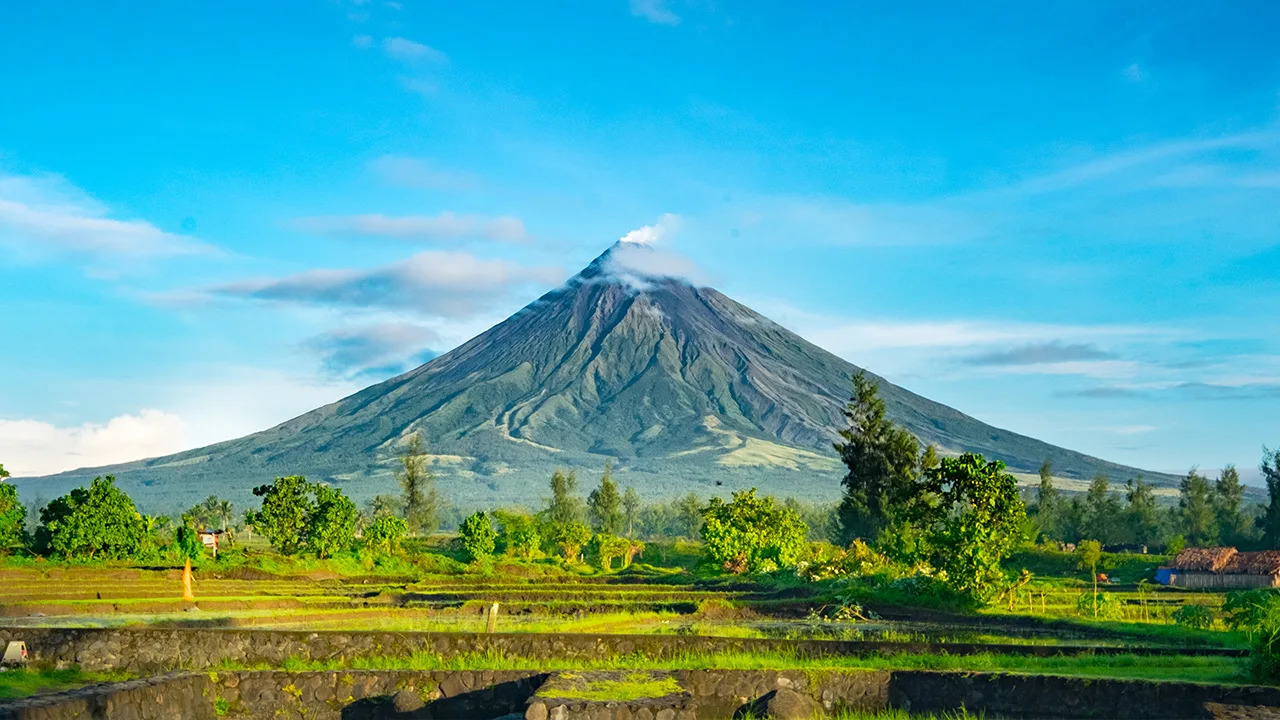
- Volcano Exploration: Hike to the summit of Mt. Mayon in Albay, witness Taal Volcano in Batangas, or trek to the crater lake of Mount Pinatubo in Pampanga.
- Kayaking and Paddleboarding: Explore mangroves in Palawan, paddle along the Loboc River in Bohol, or traverse Sohoton Cove in Siargao.
- Caving and Spelunking: Discover the underground river of Puerto Princesa Subterranean River National Park, explore Sumaguing Cave in Sagada, or visit Callao Cave in Cagayan.
Always prioritize safety by following guidelines from experienced guides. Bring appropriate gear, use sunscreen, stay hydrated, and be mindful of your physical limits.
The Philippines provides opportunities for outdoor adventures amidst its natural wonders, from its beaches to its waterfalls and diverse ecosystems.
Travel Expenses
When planning your trip to the Philippines, here are estimated travel expenses to help you budget:
- Accommodation: Budget guesthouses and hostels cost $10 to $30 per night; mid-range hotels range from $50 to $100 per night; luxury resorts start at $200 per night.
- Transportation: Domestic flights range from $50 to $150 depending on the route. Local transport (taxis, tricycles, buses) is generally affordable; ride-hailing services like Grab are also available.
- Food and Drinks: Street food and local eateries cost $1 to $5 per meal; restaurants and upscale establishments run $10 to $30 per meal. Try local cuisine for an authentic experience.
- Activities and Excursions: Island hopping tours, natural park entrance fees, and guided hikes range from $10 to $50 depending on location and services. Scuba diving, spa treatments, and other specialized activities may have additional costs.
- Souvenirs and Shopping: Prices vary by item and location. Local handicrafts, clothing, accessories, and food products make unique souvenirs. Bargaining is common in markets and small shops.
- Travel Insurance: Highly recommended for unforeseen circumstances or medical emergencies. Costs vary by coverage and trip duration; consider insurance that includes medical expenses, trip interruption, and lost baggage.
- Tips and Miscellaneous: A tip of 10% to 15% for good service in restaurants, hotels, and guided tours is appreciated but not mandatory. Keep cash for public restroom fees, small purchases, or other expenses.
These are general guidelines; actual expenses vary by personal preferences, travel style, and trip duration. Research and plan activities in advance for a more accurate budget. While exploring, don’t miss the beaches in Philippines or the hidden gems in Philippines for unforgettable experiences. By budgeting wisely, you can enjoy all the country offers without overspending.
Local Customs and Traditions
The Philippines is a country rich in traditions and customs, shaped by a blend of indigenous, Spanish, and American influences. Understanding and respecting these local customs will enhance your travel experience. Here are key customs to be aware of:
- Respect for Elders: It is customary to use "po" or "opo" when addressing someone older or in authority. When entering a room, greet the eldest person first.
- Bayanihan Spirit: The concept of "bayanihan" emphasizes community and helping one another. Filipinos are known for hospitality; showing gratitude for kindness extended to you is appreciated.
- Pasalubong: This refers to souvenirs or gifts brought back from a trip, given to family, friends, or colleagues. It is a gesture of thoughtfulness.
- Religious Festivals: Vibrant "fiestas" showcase deep-rooted faith, often involving processions, colorful parades, street dances, and decorations. Participating allows you to witness rich cultural traditions.
- Mano Po: A traditional gesture of respect: take an elder's hand and gently bring it to your forehead as a sign of respect and to seek their blessing. Commonly practiced with older family members or respected individuals.
- Punctuality and Flexibility: While punctuality is expected in formal settings, Filipinos have a relaxed attitude toward time. Meetings or gatherings may start later than scheduled; being flexible helps you adapt.
- Family Values: Family plays a central role. Filipinos prioritize immediate and extended family, and gatherings often revolve around family occasions. Show respect for the family unit.
- Public Displays of Affection: While generally warm and affectionate, public displays of affection (PDA) are more conservative and typically reserved for private settings. Refrain from excessive PDA in public.
- Polite Language: Adding "po" or "opo" when speaking to someone older or in authority shows respect. Using "please" and "thank you" is encouraged.
By embracing and respecting local customs, you will gain a deeper understanding of the culture and forge meaningful connections with the Filipino people. Learning these customs will enrich your travel experience and create lasting memories. For further reading, explore travel essentials in Philippines and the hidden meanings behind the Philippine flag to deepen your appreciation of the country.
Conclusion
You are now equipped with valuable knowledge about this tropical paradise. From the stunning beaches and vibrant cultural heritage to the warm hospitality and diverse outdoor adventures, the Philippines offers a wealth of experiences for every traveler.
By understanding the best time to visit, visa requirements, currency and money practices, language and communication nuances, transportation options, and accommodation choices, you can plan your trip effectively.
While exploring, immerse yourself in local customs and traditions, taste the unique flavors of Filipino cuisine, and engage in vibrant festivals. Show respect for the Filipino people, their culture, and their environment. Prioritize your safety by following safety tips and staying aware of your surroundings. Be open to new experiences, interact with locals, and leave a positive impact on the communities you visit.
Whether you're lounging on the breathtaking beaches of Boracay, diving into the crystal-clear waters of Palawan, trekking through the rice terraces of Banaue, or exploring the vibrant streets of Manila, the Philippines will captivate you with its natural beauty, cultural diversity, and rich history. For those seeking tranquility, adventure, or cultural immersion, the Philippines is ready to welcome you.
