

Part of our Bhutan guide.
Bhutan's hidden gems are the Haa Valley, Phobjikha Valley, Ura Valley, Lhuentse, Merak and Sakteng, and Tang Valley. These six places offer a glimpse into the kingdom's untouched landscapes and traditional way of life, far from the Thimphu–Paro corridor.
Related travel guides: Immersive Thimphu Experiences In Bhutan, Bhutan Visa & Visiting Fees - Is It Worth It?, Tiger's Nest | How To Hike It (And Why You Absolutely Must!), Hidden Gems In Honduras, India–Bhutan Border Crossing At Gelephu: A Guide, and The Ban On Mountaineering In Bhutan: What You Need To Know.
Organic Farming Initiative
Bhutan has committed to becoming a 100% organic nation. Synthetic fertilizers and pesticides are avoided. Farmers rely on traditional methods and natural alternatives, aiming to protect the environment and ensure healthier food. The initiative is part of a broader national philosophy that prioritizes Gross National Happiness over purely economic growth.
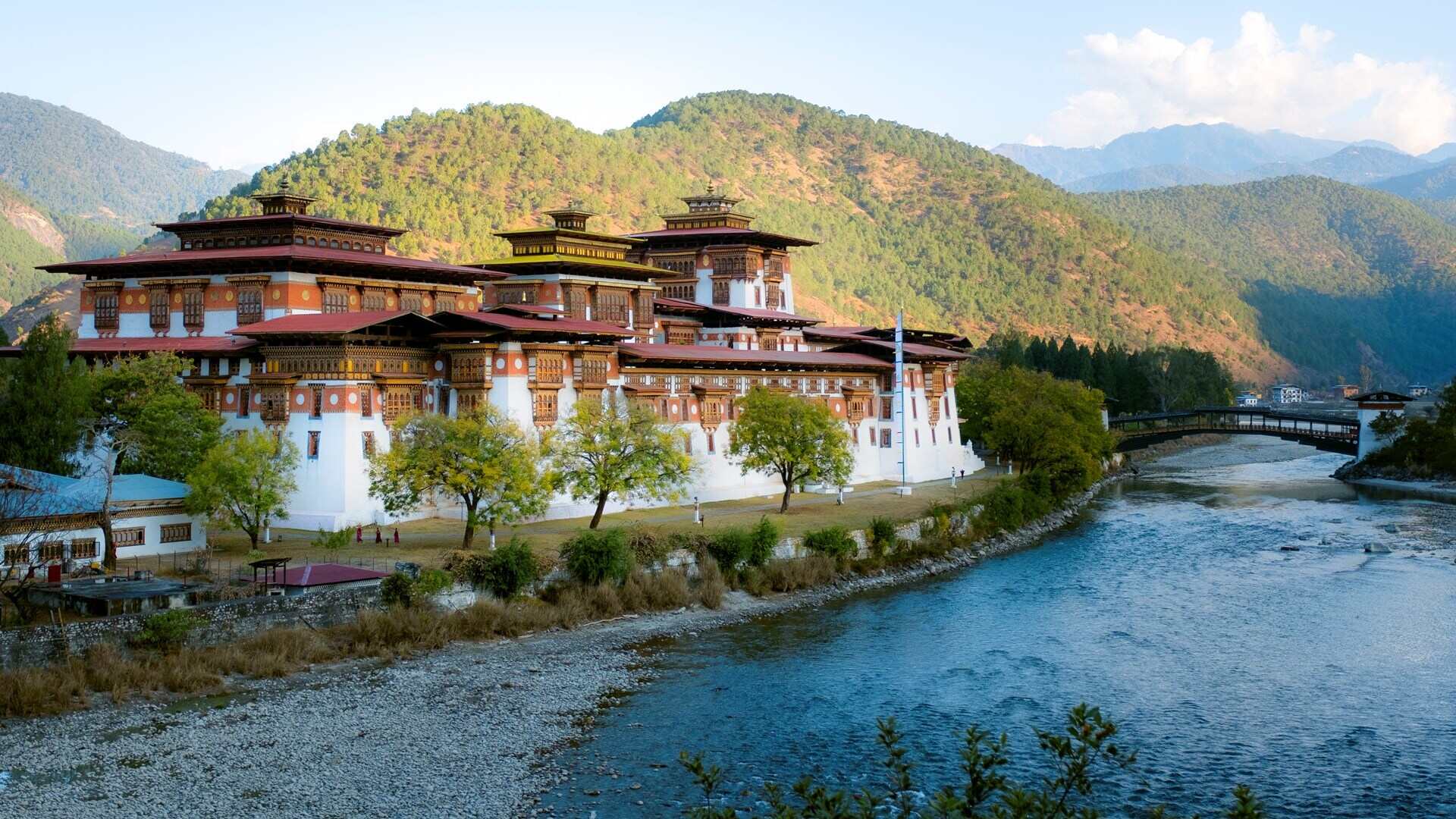
Punakha Dzong Fortress Views
Punakha Dzong sits at the confluence of the Pho Chhu and Mo Chhu rivers, surrounded by lush greenery and towering mountains. It has served as a religious and administrative center for centuries. Visitors can explore its architecture, murals, and courtyards. For those planning a visit, remember that a Bhutan visa & visiting fees - is it worth it depends on your travel style, and the Tiger's Nest | how to hike it is a must-read for trekkers. You can also find immersive Thimphu experiences in Bhutan to round out your itinerary.
Haa Valley
The Haa Valley sits at an elevation of 2,700 meters, just a two-hour drive from Paro. This hidden gem is known for its traditional farmhouses and the annual Haa Summer Festival, which celebrates the local hunting culture. The valley remains largely untouched by tourism, offering a peaceful retreat.
Phobjikha Valley
Phobjikha Valley is a glacial valley in central Bhutan, famous as the winter home of the black-necked cranes. The valley floor is a vast wetland, and the Gangtey Monastery overlooks the entire area. Visitors can take a guided walk through the Phobjikha Conservation Area to spot the cranes between November and February.
Ura Valley
Ura Valley lies in the Bumthang district, at an altitude of 3,100 meters. It is home to the Ura Yakchoe festival, a three-day event featuring masked dances and religious ceremonies. The valley's stone houses and terraced fields create a classic Bhutanese landscape.
Lhuentse
Lhuentse is one of the most remote districts in Bhutan, known for its weaving traditions. The region produces the finest kushuthara textiles, often gifted as a sign of respect. The Lhuentse Dzong sits on a ridge overlooking the Kuri Chhu River, accessible via a winding road from Mongar.
Merak and Sakteng
Merak and Sakteng are twin villages in eastern Bhutan, inhabited by the Brokpa people. The villages sit at altitudes above 3,500 meters, accessible only by foot or horseback. The Brokpa maintain a semi-nomadic lifestyle, herding yaks and sheep. The annual Merak and Sakteng Tshechu festival features unique dances performed in traditional yak-hair costumes.
Tang Valley
Tang Valley is the easternmost of the Bumthang valleys, home to the Ogyen Choling Museum. The museum is a restored 19th-century manor house displaying Bhutanese household artifacts. The valley also contains the Tang Rimpoche Lhakhang, a temple built in the 15th century.
