

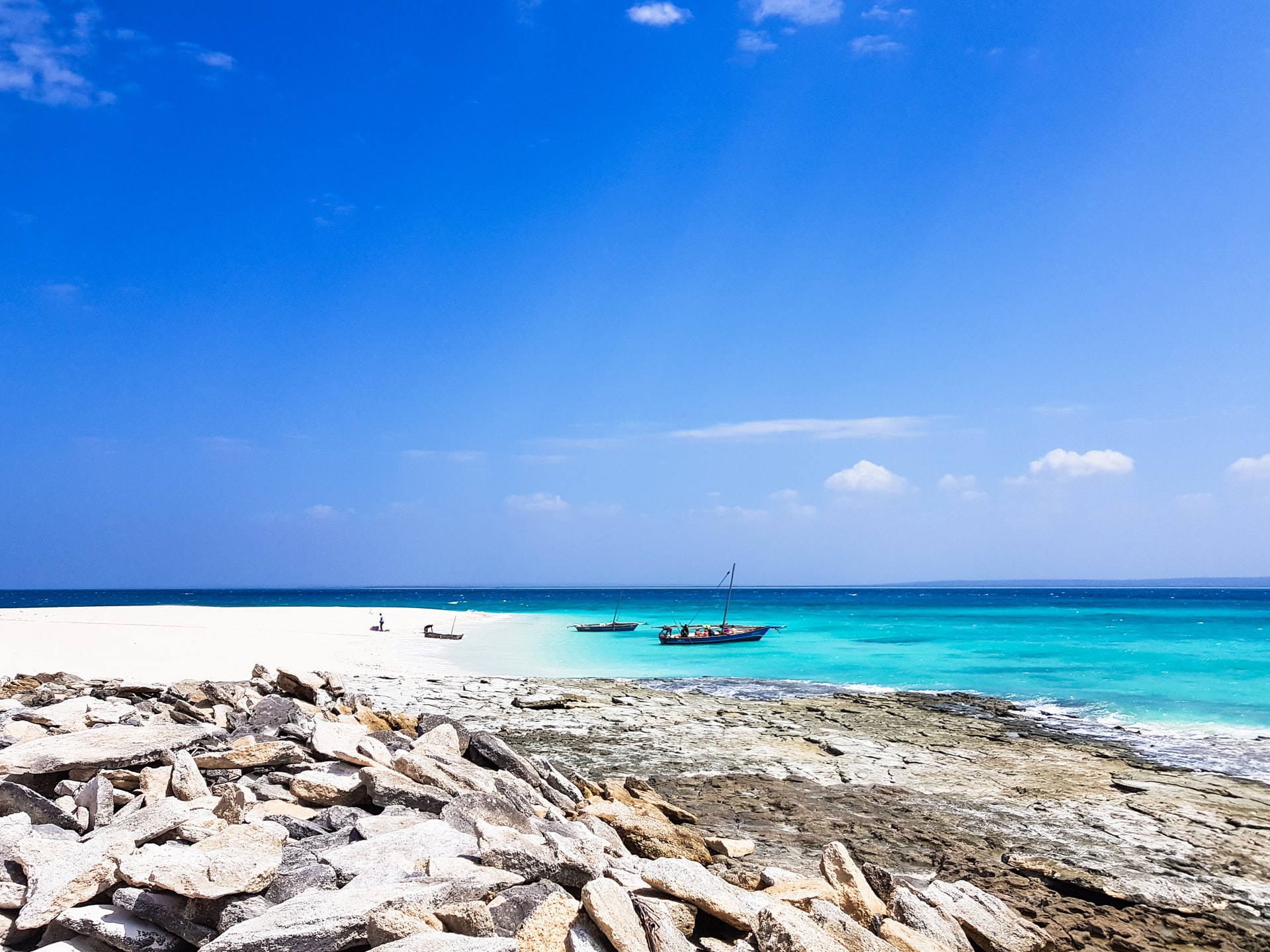
Mozambique is accessible by air, road, or sea, with Maputo International Airport as the main gateway and land borders open from South Africa, Zimbabwe, Eswatini, Malawi, and Tanzania. For visa-free entry, check your nationality against the exemption list, as requirements vary and a prior application may be needed for some travelers. From the pristine beaches and Bazaruto diving to the bustling markets of Maputo, the country delivers a blend of natural wonders and warm hospitality.
Getting to Mozambique
Mozambique is accessible by air, with several international airports serving the country. The main gateway is Maputo International Airport, located in the capital. It is well-connected to major cities via airlines such as South African Airways, Ethiopian Airlines, and Qatar Airways.
If you're coming from neighboring countries, you can also fly into Beira, Nampula, or Vilankulo airports, which have scheduled flights from regional airlines.
Another option is to enter Mozambique by road. The country shares borders with South Africa, Zimbabwe, Eswatini, Malawi, and Tanzania. Check travel requirements and conditions in advance, as border crossings have specific regulations and hours of operation.
For sea travel, Mozambique has ports that receive cruise ships and cargo vessels. Maputo Port is the largest and busiest.
Visa Exemption: Citizens of certain countries may be exempt from obtaining a visa for tourism purposes. It's important to check the specific requirements for your country of citizenship with an official government source before travel.
Visa-on-Arrival: If your country is not eligible for visa exemption, you may be able to obtain a visa upon arrival at the port of entry, but this should be verified with an official government source, as visa rules are subject to conflicting information.
Prior Visa Application: In some cases, travelers may be required to apply for a visa before arriving in Mozambique. It's essential to contact the nearest Mozambican embassy or consulate in advance to confirm the requirements for your nationality.
Once you arrive, local transportation includes taxis, buses, or car rentals. Taxis are available in major cities; negotiate the fare before starting. Buses connect different regions, and car rentals offer flexibility. Whether you choose to fly, drive, or sail, ensure all travel documents are verified, and consider that the best time to travel to Mozambique can influence your planning.
Visa Requirements
Before traveling to Mozambique, it's essential to familiarize yourself with the visa requirements to ensure a smooth entry into the country. The visa regulations may vary depending on your nationality and the purpose of your visit. Here are some key points to consider:
When applying for a visa, you will typically need to provide a valid passport with a minimum of six months validity, a completed visa application form, a recent passport-sized photograph, proof of accommodation in Mozambique, and proof of sufficient funds to cover your stay.
It's important to note that visa regulations are subject to change, so it's advisable to check with the relevant embassy or consulate before making any travel arrangements to ensure that you have the most up-to-date information. Whether you're visiting Mozambique for a short vacation or a longer stay, understanding the visa requirements and taking the necessary steps will help ensure a stress-free entry into the country. With the right visa in hand, you can fully immerse yourself in the captivating beauty and culture of Mozambique—such as planning your itinerary around the best time to travel to Mozambique, or exploring diving at Anantara Bazaruto Island resort in Mozambique.
Best Time to Visit
Mozambique's climate has distinct wet and dry seasons that affect travel. The best time to travel to Mozambique depends on your planned activities.
Dry Season (May to October): This is peak tourist season with pleasant weather, clear skies, and low humidity. It is ideal for beach holidays, water activities, and wildlife viewing. July to September is especially good for diving and snorkeling, with excellent ocean visibility. Note this is high season: popular destinations may be crowded, and accommodation and tour prices are higher. For exceptional underwater experiences, consider diving at Anantara Bazaruto Island resort in Mozambique during these months.
Wet Season (November to April): Tropical rains and higher temperatures define this low season. The countryside turns lush green, wildlife sightings increase, and migratory birds flock to wetlands—great for birdwatching. Some coastal lodges and resorts may close; check availability in advance. Be prepared for occasional rainfall and possible activity disruptions.
Mozambique's coastline stretches over 1,500 miles, with regional climate variations. The northern coast (Pemba, Quirimbas Archipelago) differs from the southern coast (Maputo, Tofo Beach).
Visa Information: Visa rules for Mozambique vary by nationality and sources conflict.
Choose your season based on whether you prefer dry, sunny months or lower prices and lush scenery during the wet season.
Top Tourist Destinations
Mozambique is home to a plethora of captivating destinations that showcase its natural beauty, cultural heritage, and rich history. Whether you're a beach lover, wildlife enthusiast, or history buff, Mozambique has something to offer for every type of traveler. Here are some of the top tourist destinations to explore:
Maputo: The capital city offers a vibrant blend of colonial architecture, bustling markets, and a vibrant cultural scene. Explore the historic railway station, visit the Maputo Central Market, or stroll along the waterfront promenade. Don't miss the chance to try mouthwatering local cuisine at one of the city's many restaurants and cafes.
Tofo Beach: Located on the southeastern coast, Tofo Beach is a paradise for beach lovers and water sports enthusiasts. With its pristine white sands and crystal-clear waters, it is a popular spot for swimming, snorkeling, and diving. It's also known for its magnificent marine life, including the chance to swim with majestic whale sharks and manta rays. For an exceptional underwater experience, consider diving at Anantara Bazaruto Island resort in Mozambique.
Bazaruto Archipelago: Comprised of several beautiful islands off the coast, this archipelago is a paradise waiting to be explored. Offering breathtaking beaches, azure waters, and abundant marine life, it is a haven for snorkelers, divers, and sun-seekers. Enjoy thrilling water activities, go on a dhow sailing trip, or simply relax on the pristine beaches.
Gorongosa National Park: For wildlife enthusiasts, Gorongosa National Park is a must-visit destination. Located in central Mozambique, this park is known for its diverse ecosystems, including grasslands, forests, and savannahs. Discover an array of wildlife, including elephants, lions, buffalos, and over 400 bird species. Take guided game drives or go on a walking safari to fully immerse yourself in this natural wonderland.
Quirimbas Archipelago: Situated in northern Mozambique, the Quirimbas Archipelago is a remote and pristine paradise. Consisting of 32 islands, it offers unspoiled beaches, turquoise waters, and thriving coral reefs. Explore the historic town of Ibo Island, go snorkeling or diving in the marine reserve, or simply unwind on the secluded beaches. The best time to travel to Mozambique for these islands is during the dry season, from May to November.
These are just a few of the top tourist destinations in Mozambique, each offering its own unique charm and experiences. Whether you're seeking relaxation, adventure, or cultural immersion, Mozambique won't disappoint. Prepare to be enchanted by the natural wonders, warm hospitality, and vibrant atmosphere of this incredible African country.
Maputo
As the capital city of Mozambique, Maputo is a vibrant destination that showcases the country's rich cultural heritage and colonial history, blending African, Portuguese, and Arab influences.
Historical Landmarks: Maputo is home to several notable landmarks reflecting its colonial past. The Maputo Railway Station, designed by Gustave Eiffel, is a must-visit architectural gem. The Polana Hotel, built in the early 20th century, exudes old-world charm. The Fortaleza de Maputo, a fort dating back to the 18th century, offers views of the city and the bay.
Local Markets: Explore the bustling Central Market (Mercado Municipal), where vendors sell fresh produce, traditional crafts, and street food. The FEIMA Arts and Crafts Market is another spot for unique souvenirs, handmade crafts, and traditional artwork.
Art and Culture: Maputo boasts a thriving art and music scene. The Museum of Natural History showcases Mozambique's biodiversity, while the National Art Museum displays contemporary and traditional art. For live music and performances, visit the Centro Cultural Franco-Moçambicano or Gil Vicente Art Center.
Gastronomic Delights: Maputo offers a vibrant culinary scene blending local flavors with international influences. Try traditional dishes such as peri-peri chicken, matapa (cassava leaves), and grilled prawns. The waterfront area is lined with restaurants and outdoor cafes.
Maputo Special Reserve: A short drive from the city, this protected area is home to elephants, zebras, antelopes, and diverse bird species. Embark on a guided safari or take a boat trip through the mangrove forests to spot wildlife.
Maputo offers a juxtaposition of old-world charm and a vibrant African atmosphere, from historic landmarks to bustling markets. For those planning a visit, consider the best time to travel to Mozambique to align with dry season wildlife viewing, or explore coastal activities such as diving at Anantara Bazaruto Island resort in Mozambique.
Tofo Beach
Situated on the stunning southeastern coast of Mozambique, Tofo Beach is a tropical paradise with pristine white sandy beaches and crystal-clear turquoise waters. Here's what you need to know about this coastal destination:
Beach Bliss: Miles of untouched sandy shores offer leisurely walks, sunbathing, and swimming in the warm Indian Ocean. Water activities include snorkeling, scuba diving, and surfing.
Diving and Snorkeling: Tofo Beach is a world-class diving destination. Nutrient-rich waters attract manta rays, whale sharks, turtles, and colorful coral reefs, suiting both seasoned divers and beginner snorkelers.
Whale Shark Encounters: Tofo Beach is famous for close encounters with whale sharks during their feeding season from October to March. Guided tours and boat trips allow you to observe these gentle giants up close.
Local Fishing Village: The beach is home to a vibrant fishing village. Visit to witness traditional fishing practices and sample freshly caught seafood—grilled prawns and fish dishes are specialties at local restaurants.
Relaxed Atmosphere: Tofo Beach retains a laid-back, authentic feel. Accommodation ranges from budget guesthouses to eco-lodges and luxury beachfront resorts. Enjoy sunset cocktails on the beach and a slow pace of life.
Visa Information: Visa rules for Mozambique conflict across sources and require official verification before travel. Generally, the best time to travel to Mozambique for beach conditions is during the dry season from April to September.
Tofo Beach offers relaxation, adventure, and natural beauty, from thrilling water activities to vibrant marine life and sun-kissed beaches.
Bazaruto Archipelago
The Bazaruto Archipelago, off the coast of Mozambique, is a pristine destination known for its turquoise waters and diverse marine life. Comprised of idyllic islands, it offers a true tropical paradise experience.
Unspoiled Beaches: The islands have powdery white sand beaches stretching as far as the eye can see, fringed by turquoise waters—a tranquil haven to relax and soak up the sun.
Marine Diversity: As a marine conservation area, the archipelago is a playground for snorkelers and scuba divers. Crystal-clear waters and vibrant coral reefs host colorful tropical fish, graceful manta rays, and endangered dugongs.
Island Hopping: Explore Bazaruto Island with its towering sand dunes and freshwater lakes, Benguerra Island for diverse ecosystems from forests to dunes, and Magaruque Island for pristine beaches and sunsets.
Water Sports and Activities: Thrill-seekers can kayak, wakeboard, or kiteboard. Alternatively, sail on a traditional dhow boat through azure waters to experience the Mozambican coastline.
Exquisite Seafood: Enjoy freshly caught seafood—succulent prawns, fish dishes, and mouthwatering lobster—at local restaurants.
Luxurious and Eco-Friendly Lodges: Accommodation ranges from private island getaways and exclusive dune lodges to beachfront villas blending with the natural surroundings.
Visa Information: Visa details for Mozambique conflict across sources.
The Bazaruto Archipelago offers untouched beauty, vibrant marine life, and luxurious lodges for an unforgettable escape. To plan your trip, note that the best time to travel to Mozambique is during the dry winter months from May to November for optimal weather and wildlife viewing.
Gorongosa National Park
Gorongosa National Park, in central Mozambique, is one of Africa’s greatest wildlife restoration stories. It offers a unique safari experience across diverse ecosystems.
Abundant Wildlife: Game drives with experienced guides reveal lions, elephants, buffalos, zebras, hippos, and antelope species. Look for leopards and hyenas.
Diverse Ecosystems: The park ranges from lush grasslands and dense forests to winding river systems. Explore the vast floodplains of the Zambezi River and the mountainous Cheringoma Plateau.
Walking Safaris: Accompanied by trained guides, venture out on foot to discover the bush’s hidden wonders. Learn about flora, fauna, and the ecosystem’s intricate relationships.
Birdwatching: Over 400 bird species are recorded here, including the Lilac-breasted Roller and African Fish Eagle. Kingfishers and raptors are common sights.
Community Conservation: The park involves local communities in preservation and sustainable resource use. Visit nearby villages to learn about cultural heritage and community-led projects.
Educational Experiences: Programs cover the park’s history from its 1960s establishment through its restoration after years of conflict. Discover current conservation and restoration initiatives.
For planning your trip, consider the best time to travel to Mozambique, typically during the dry season from May to October for optimal wildlife viewing. If you are heading to the coast, diving at Anantara Bazaruto Island resort in Mozambique offers world-class marine experiences. With abundant wildlife, diverse ecosystems, and a commitment to conservation, Gorongosa National Park is a premier safari destination.
Quirimbas Archipelago
The Quirimbas Archipelago, along Mozambique's northern coast, comprises 32 islands scattered in the Indian Ocean. It offers pristine white sandy beaches, clear turquoise waters, and a rich cultural heritage.
Tropical Paradise: The islands feature palm-fringed beaches, azure waters, and vibrant coral reefs, providing a backdrop for both relaxation and exploration.
Magical Marine Life: Thriving coral reefs and abundant marine life make this a destination for snorkeling and diving. In the clear waters, you may see colorful fish, turtles, dolphins, and occasionally dugongs.
Remote and Secluded: With fewer tourists than many destinations, the archipelago offers peaceful beach walks, private picnics on deserted islands, and a sense of exclusivity.
Cultural Heritage: Local communities on some islands retain traditional ways of life. You can engage with residents, witness their craftsmanship, and learn about regional customs and history.
Island Hopping: Each island has its own character. Ibo Island features historic architecture and vibrant markets, while Medjumbe Island offers luxurious resorts and pristine beaches.
Water Sports and Activities: Kayaking, paddleboarding, windsurfing, and sailing are available. Excursions include fishing trips, traditional dhow cruises, and seasonal whale watching.
Visa Information: Visa rules for Mozambique are subject to conflicting information across sources and must be verified with official government sources before travel.
The archipelago's untouched beauty, vibrant marine life, and cultural heritage offer a memorable experience, whether you seek beach tranquility or underwater encounters.
Cultural Experiences
Exploring the rich cultural heritage of Mozambique offers insight into the traditions, history, and diverse ethnic groups that shape this vibrant nation. From traditional rituals to local craftsmanship, here are captivating cultural experiences to immerse yourself in during your visit.
Traditional Music and Dance: Mozambique is known for its lively music and vibrant dance traditions. Delve into the energetic rhythms of Marrabenta and the soulful beats of Timbila music while witnessing the graceful movements of traditional dancers. Join in the merriment at local festivities and celebrations, where music and dance take center stage in showcasing the country's cultural identity.
Art and Handicrafts: Mozambique is a haven for artisans who create intricate works using traditional techniques and materials. Explore bustling markets and workshops to discover beautifully crafted woodcarvings, intricately woven baskets, colorful textiles, and unique pottery. Support local artisans by purchasing their handcrafted souvenirs as a memento of your time in Mozambique.
Visiting Local Villages: One of the best ways to experience Mozambique's culture is by visiting local villages. Engage with warm and welcoming communities, learn about their customs and way of life, and gain insights into daily activities such as fishing, farming, and cooking. Participate in community-led initiatives or guided tours that offer an authentic glimpse into the traditions and livelihoods of Mozambique's diverse ethnic groups.
Historical Sites: Mozambique's history is marked by a rich tapestry of influences, from its colonial past to its struggle for independence. Explore historical sites such as the Island of Mozambique, a UNESCO World Heritage Site that was once the capital of Portuguese East Africa. Visit museums and cultural centers in major cities like Maputo and Beira to gain a deeper understanding of the country's complex history and cultural evolution.
Traditional Festivals: Mozambique celebrates a variety of traditional festivals throughout the year, providing a unique opportunity to witness local customs. The Festival of the Mozambican Heroes in Maputo, the Festival of the Mueda Resistance, and the Marrabenta Festival are just a few examples of vibrant celebrations that showcase the country's cultural diversity and pride. If you are planning your itinerary, consider that the best time to travel to Mozambique often coincides with these festival periods for a richer experience.
For a coastal-focused trip, consider diving at Anantara Bazaruto Island resort in Mozambique after exploring cultural sites.
Embracing cultural experiences in Mozambique allows you to connect with the heart and soul of the country. From music and art to interacting with local communities and exploring historical sites, each encounter offers a deeper appreciation for Mozambique's rich cultural tapestry.
Local Cuisine
Mozambican cuisine is a fusion of African, Portuguese, Arab, and Indian influences. Experiencing the local cuisine is essential to immersing yourself in the country's culture. Highlights include:
Peri-Peri Chicken: One of Mozambique's most famous dishes, marinated in a fiery blend of spices including peri-peri chili peppers and grilled to perfection. Enjoy it with a side of piri-piri sauce for an extra kick.
Prawns and Seafood: With its long coastline, Mozambique is renowned for fresh and succulent seafood. Grilled prawns, calamari, lobster, and a variety of fish dishes are local favorites served in coastal restaurants.
Matapa: A traditional dish made from cassava leaves cooked with peanut sauce, garlic, coconut milk, and spices, often served with rice or cornmeal.
Chamuças: Popular street food resembling Indian samosas, these crispy pastries are filled with a savory mixture of vegetables, meat, and spices.
Feijoada: Influenced by Portuguese cuisine, this hearty stew is made with black beans, various cuts of meat, and spices, served with rice or farofa (toasted manioc flour) during festive occasions.
Cashews and Cashew Liquor: Mozambique is one of the world's largest producers of cashew nuts. Taste roasted cashews as a snack or try cashew liquor, a sweet and creamy local beverage.
Complement your meal with local Mozambican beer such as 2M or Laurentina, or a refreshing glass of tamarind or coconut water.
The diverse cuisine reflects the country's cultural heritage. From the spicy flavors of peri-peri chicken to traditional stews, Mozambican cuisine offers a culinary adventure.
If you're a water sports enthusiast, consider diving at Anantara Bazaruto Island resort in Mozambique, which offers world-class coral reefs and marine life.
Language and Communication
Mozambique is a linguistically diverse country, with numerous languages spoken throughout its various regions. Understanding the local languages and communication customs can greatly enhance your travel experience. Here's an overview of the languages and communication practices in the country:
Official Language: The official language of Mozambique is Portuguese, a relic from the country's colonial past. Portuguese is widely spoken and understood, particularly in urban areas, government offices, and tourist hotspots. English is also spoken to some extent in major cities and tourist areas, although proficiency levels vary.
Local Languages: Mozambique is home to numerous Bantu languages spoken by different ethnic groups, including Shangaan, Sena, Makhuwa, and Manyika. While it may not be necessary for travelers to learn these languages, knowing a few basic phrases in the local dialect can go a long way in showing respect and fostering connections with local communities.
Non-Verbal Communication: Non-verbal communication plays an important role in Mozambican culture. Handshakes are the customary form of greeting, though in rural villages locals may greet each other with a hug or kiss on the cheek. Maintaining eye contact while communicating signals interest and respect.
Cultural Sensitivities: Modesty in dress is generally appreciated, especially when visiting religious sites or rural areas. It is polite to ask for permission before taking someone's photograph, particularly elders or people of authority. Remember to remove your shoes when entering someone's home or a place of worship.
Translation Resources: Carrying a Portuguese phrasebook or a language translation app can be helpful for basic communication and navigating everyday situations. While there may be language barriers in some remote areas, the friendly nature of the Mozambican people often bridges the communication gap.
By embracing the local language and communication customs, you have the opportunity to connect with the vibrant culture of Mozambique on a deeper level. Even a few basic phrases and a willingness to learn can open doors and create meaningful interactions during your journey through this diverse and captivating country.
Transportation within Mozambique
Getting around Mozambique offers a range of options, from air travel to road trips. Here are the main transportation choices:
Domestic Flights: Mozambique has several domestic airports. The national carrier, LAM Mozambique Airlines, operates flights between major cities such as Maputo, Beira, Nampula, and Pemba. Smaller regional airlines also serve Vilankulo, Quelimane, Tete, and more. Domestic flights provide efficient connections and save time when traveling between regions.
Public Buses: Public buses are the most common mode of transport, offering both short and long-distance travel. They connect major cities and towns affordably, but expect slower travel due to frequent stops and crowded conditions. Check schedules and book tickets in advance, especially during peak seasons.
Taxis and Minibuses: In cities and towns, taxis and minibuses are popular for shorter trips. In urban areas like Maputo and Beira, metered taxis are available; in smaller towns, shared minibuses called "chapas" are common. Negotiate taxi fares in advance, and expect chapas to be crowded. Schedules may be loose, so allow extra time.
Rental Cars: Renting a car gives you freedom to explore at your own pace, especially in remote areas. Major cities and towns have car rental services with various vehicles. Be aware of road conditions—potholes and rough terrain—and local driving customs.
Boat and Ferry Services: With Mozambique’s extensive coastline and islands, ferries and boats are common in coastal and lakeside areas. Ferries operate on major rivers and lakes, reaching island destinations such as Ibo, Inhaca, and Ilha de Moçambique. Boat charters and dhow cruises are also available for coastal exploration.
Bicycle and Walking: In smaller towns and rural areas, bicycles and walking work well for short distances. Renting a bicycle is eco-friendly for exploring local communities and scenic areas. Walking lets you immerse yourself in surroundings and discover hidden gems.
When traveling within Mozambique, be flexible and patient. Some transport may have limited schedules, especially in remote areas. Plan ahead, keep contingency time, and ask about local options at your accommodation. By embracing these options, you can navigate the diverse landscapes and vibrant culture of Mozambique.
Health and Safety Tips
When traveling to Mozambique, it's essential to prioritize your health and safety to ensure a smooth and enjoyable trip. Here are some important health and safety tips to keep in mind during your visit:
Vaccinations and Health Precautions: Prior to visiting Mozambique, it's recommended to consult a healthcare professional or travel clinic regarding necessary vaccinations. Common vaccinations to consider include hepatitis A and B, typhoid, cholera, rabies, and yellow fever. Additionally, malaria is prevalent in some parts of Mozambique, so it's important to take necessary precautions, such as using mosquito repellent, wearing protective clothing, and taking antimalarial medication as prescribed.
Safe Drinking Water: To avoid waterborne illnesses, it's advisable to drink bottled or filtered water while in Mozambique. Avoid consuming tap water, and use bottled water for brushing teeth and washing fruits and vegetables. Be cautious when consuming street food and ensure it is prepared and cooked hygienically.
Travel Insurance: It's essential to have comprehensive travel insurance that covers medical expenses, trip cancellations, and emergency evacuations. Ensure that the insurance policy provides sufficient coverage for the activities you plan to engage in, such as adventure sports or wildlife encounters.
Personal Safety: While Mozambique is generally a safe destination, it's important to remain vigilant and take necessary precautions. Avoid displaying wealth, keep valuable belongings secure, and be aware of your surroundings, especially in crowded areas or at night. Use reliable transportation services and adhere to instructions from local authorities or guides when exploring remote areas.
Weather Awareness: Mozambique's climate can vary, so it's important to check the weather conditions before your trip and pack appropriate clothing. Be prepared for sudden changes in weather, such as heavy rains or extreme heat. In coastal areas, pay attention to tides and sea conditions, and follow guidance from lifeguards or local authorities when engaging in water activities. For the best experience, consider the best time to travel to Mozambique, which typically falls during the dry winter months from May to October.
Sun Protection: Mozambique's sun can be intense, so it's essential to protect yourself from the harmful effects of the sun. Wear sunscreen with a high SPF, a hat, sunglasses, and lightweight, breathable clothing to shield yourself from excessive sun exposure. Stay hydrated by drinking plenty of water throughout the day.
Respect Local Customs and Traditions: Mozambique has a rich cultural heritage, and it's important to respect local customs and traditions. Dress modestly when visiting religious sites or rural areas, and always ask for permission before taking photographs of individuals, especially elders or people of authority. Be mindful of cultural sensitivities and engage with local communities in a respectful manner.
Visa Information: Visa rules for Mozambique contain conflicting information across sources, so always verify with official government channels before travel.
By prioritizing health and safety during your visit to Mozambique, you can fully enjoy the country's natural wonders, vibrant culture, and warm hospitality. Be prepared, take necessary precautions, and embrace the adventure that awaits in this enchanting African destination.
Currency and Money Matters
When traveling to Mozambique, it's important to familiarize yourself with the local currency and money matters to ensure a smooth financial experience during your trip. Here are some key points to keep in mind:
Currency: The currency of Mozambique is the Mozambican Metical (MZN). Notes are available in denominations of 20, 50, 100, 200, 500, and 1000 meticais, while coins come in smaller denominations of 1, 2, 5, and 10 meticais. It's advisable to carry a mix of smaller and larger denominations for convenience.
Exchange Rate: The exchange rate for the Mozambican Metical can fluctuate, so it's recommended to check the current rates before your trip. Major hotels, banks, and exchange offices in larger cities offer currency exchange services. It's often more convenient to exchange foreign currency into meticais upon arrival in Mozambique.
ATMs and Credit Cards: ATM machines are available in major cities and tourist areas, allowing you to withdraw meticais using international debit or credit cards. However, it's advisable to inform your bank in advance about your travel plans to ensure your cards will work abroad. Credit cards, especially Visa and Mastercard, are accepted in some hotels, restaurants, and larger establishments in urban areas.
Cash vs. Cards: While credit cards and debit cards are accepted in some places, it's important to note that cash is still widely used in Mozambique, especially in smaller towns and remote areas. It's advisable to carry a sufficient amount of meticais, especially when traveling outside major cities, as some establishments may not accept cards or have limited card payment facilities.
ATM Availability and Limitations: ATMs can be found in major cities and tourist areas, but their availability can be limited in more remote regions. It's advisable to withdraw cash in larger cities or towns before heading to rural areas. ATMs may have transaction limits, so plan accordingly and ensure you have sufficient cash for your needs.
Tipping: Tipping is not mandatory in Mozambique, but it's customary to tip for good service in restaurants, hotels, and for other services provided. Tips are typically given in cash, and it's a gesture of appreciation for quality service. The amount you tip is at your discretion, but it's common to leave around 10% of the total bill.
Safety and Security: Ensuring the safety of your money is important while traveling. It's wise to keep a mix of cash and cards, storing them in separate and secure locations. Be cautious and aware of your surroundings when making cash transactions or using ATMs. It's advisable to use ATMs located in well-lit and secure areas.
By familiarizing yourself with the local currency and money matters, you can navigate Mozambique's financial landscape with confidence. Utilize a combination of meticais, cards, and secure financial practices to ensure a hassle-free and enjoyable trip. For those planning a coastal getaway, diving at Anantara Bazaruto Island resort in Mozambique offers a world-class underwater experience, though cash is essential for excursions beyond the resort.
Accommodation Options
Mozambique offers a wide range of accommodation options to suit every traveler's preferences and budget. Whether you're seeking luxury beach resorts, eco-lodges nestled in nature, or budget-friendly guesthouses, here are popular options to consider.
Luxury Resorts and Lodges: Mozambique’s coastline and pristine islands are home to luxury beach resorts and lodges, including private villas with ocean views and exclusive lodges amid lush landscapes. These high-end accommodations offer swimming pools, fine dining, spa facilities, and access to exclusive beachfronts.
Eco-Lodges and Retreats: Eco-lodges and retreats are available in various locations, designed to minimize environmental impact while providing comfortable lodging. Enjoy birdwatching, nature walks, and learning about local conservation efforts.
Guesthouses and Bed & Breakfasts: Run by friendly hosts, these affordable options range from charming colonial-style homes to rustic beachfront cottages. They offer a personalized experience and a chance to connect with local communities.
Hotels and Lodges: In major cities and tourist destinations, hotels and lodges cater to different budgets, from budget-friendly to mid-range. They provide comfortable rooms, essential amenities, and convenient access to attractions, restaurants, and transport hubs.
Camping and Self-Catering: Campsites in national parks and coastal areas offer basic facilities and outdoor living. Self-catering accommodations, such as holiday cottages or beach houses, provide cooking convenience and autonomy.
Community-Based Accommodations: Stay with local families or in community-run lodges to engage with local customs and support sustainable tourism. These provide an immersive cultural experience and contribute directly to local development.
Book in advance, especially during peak travel seasons. Consider the location, amenities, and price range that align with your preferences.
Shopping and Souvenirs
Shopping in Mozambique offers a chance to discover unique treasures and bring home a piece of the country's vibrant culture. From traditional crafts to local products, here is a guide to finding the perfect souvenirs.
Traditional Crafts: Mozambique is renowned for traditional crafts reflecting its rich cultural diversity. Explore local markets and shops for handcrafted items such as wooden sculptures, woven baskets, colorful textiles, pottery, and beaded jewelry. These pieces support local artisans and carry a piece of Mozambique's heritage.
Local Products: Mozambique is known for cashew-based products like cashew liquor, roasted cashews, and cashew sweets. Other local items include traditional capulana fabric, flavorful spices, wooden instruments, and locally produced honey or coffee.
Artwork and Paintings: The vibrant art scene features talented local artists in galleries and markets. Consider paintings, sculptures, or prints depicting Mozambique's landscapes, wildlife, or cultural traditions.
Market Shopping: Bustling markets provide an authentic shopping experience. Explore the Central Market in Maputo or the Feira de Artesanato e Gastronomia in Inhambane. These markets offer fresh produce, spices, crafts, and fabrics. Bargaining is common, so practice negotiating prices with a friendly attitude.
Fair Trade and Community Initiatives: For ethically sourced products, seek out shops and cooperatives that support local communities. These stores carry handmade crafts created through sustainable practices, ensuring your purchase directly benefits artisans.
Currency and Bargaining: Carry enough cash, as smaller shops may not accept credit cards. The local currency is the Mozambican Metical (MZN). Bargaining is standard in markets; approach it with a lighthearted and respectful attitude.
Be mindful of customs regulations and avoid items made from protected wildlife. Purchase only from reputable sources that adhere to sustainable practices.
If you plan your trip around the best time to travel to Mozambique, you will find markets less crowded and artisans more available. For a luxury shopping break, consider diving at Anantara Bazaruto Island resort in Mozambique, where local crafts are also sold at the resort's boutique.
Shopping here supports local artisans and lets you discover unique handcrafted items, commemorating your time in this captivating country.
Conclusion
Mozambique mesmerizes with its untamed natural beauty, cultural richness, and warm hospitality—from the pristine beaches of Tofo and the islands of the Bazaruto and Quirimbas Archipelagos to the wildlife of Gorongosa National Park and the cultural wonders of Maputo.
This guide has covered popular destinations, cultural experiences, local cuisine, transportation, history, sustainable travel practices, and health and safety considerations. Whether you seek relaxation on sandy beaches, adventure in nature, cultural immersion, or a blend of everything, Mozambique offers rich heritage, vibrant markets, friendly locals, and diverse landscapes.
Before traveling, note that visa details conflict across sources and require official verification.
As you explore, be respectful of local customs, practice responsible tourism, and immerse yourself in the natural and cultural wonders. Pack your bags, set off on Mozambique’s hidden gems, and create lasting memories.
