

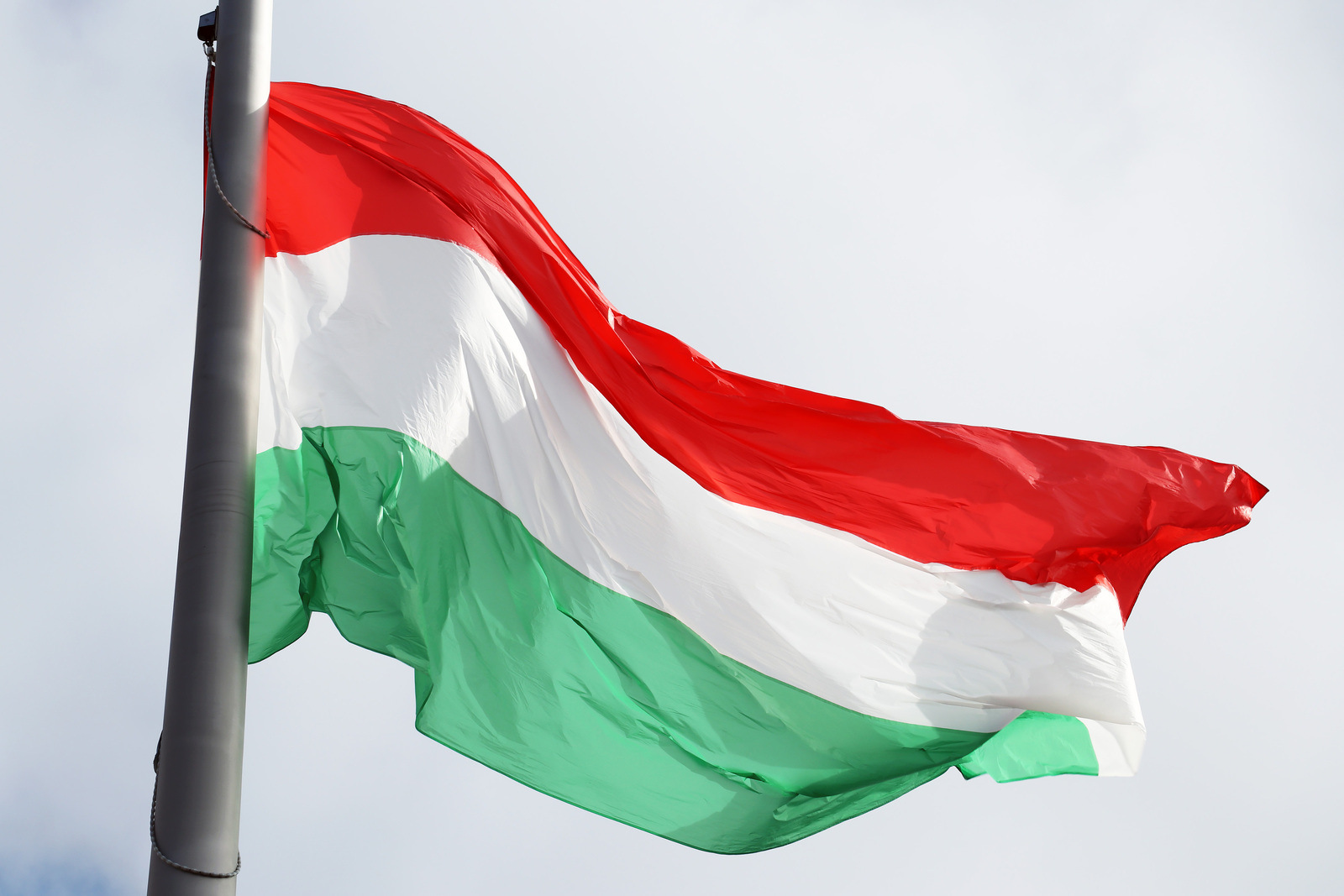
Hungarian belongs to the Uralic family, making it a distant cousin to Finnish and Estonian. It boasts 14 vowel sounds, complex grammar, and a rich vocabulary influenced by Turkic, German, and Slavic languages.
The Origins of Hungarian
Hungarian, or Magyar, stands out among European languages. Its roots trace back to the Uralic family.
Related travel guides: Is It 'Lao' Or 'Laotian'? The Surprising Difference In Laos, 11 Beautiful Tibetan Words That Will Captivate Your Heart, and Hidden Gems: Budapest's Flea Markets And Thrift Stores You Can't Miss.
-
Uralic Roots: Unlike most European languages, Hungarian belongs to the Uralic family, sharing ancestry with Finnish and Estonian.
-
Ancient Migration: The ancestors of modern Hungarians migrated from the Ural Mountains to the Carpathian Basin around the 9th century.
-
Influence of Turkic Languages: Early Hungarian was influenced by Turkic languages due to interactions with Turkic tribes.
Unique Grammar Features
Hungarian grammar differs significantly from Indo-European languages.
-
Agglutinative Nature: Hungarian builds words by adding various suffixes to a root word, creating complex meanings.
-
No Gender: Unlike many languages, Hungarian does not use grammatical gender.
-
Vowel Harmony: Vowels within a word harmonize to be either front or back vowels.
Vocabulary and Loanwords
Hungarian vocabulary has absorbed influences from many languages.
-
Ancient Words: Some Hungarian words have remained unchanged for over a thousand years, preserving ancient culture.
-
Loanwords: The language has borrowed words from Latin, German, Turkic, and Slavic languages.
-
Compound Words: Hungarian often creates new words by combining existing ones.
Pronunciation and Sounds
Pronouncing Hungarian can be tricky for newcomers. Its sounds and stress patterns are distinct.
-
Unique Sounds: Hungarian includes sounds not found in many other languages, such as the "gy" and "ny" sounds.
-
Stress on First Syllable: Unlike English, Hungarian always places stress on the first syllable of a word.
-
Long and Short Vowels: Vowel length can change the meaning of words, so pronunciation must be precise.
Cultural Significance
Language and culture are deeply intertwined. Hungarian reflects the nation's history and identity.
- Literary Heritage: Hungarian literature boasts famous poets and writers like Sándor Petőfi and Imre Kertész, showcasing the language's beauty and depth.
Embracing the Richness of Hungarian
Hungarian is a fascinating language with unique characteristics. From its complex grammar to its rich vocabulary, it offers a deep dive into a culture that's both ancient and modern. Learning Hungarian can be challenging, but it's also incredibly rewarding. The language's distinct sounds and expressive idioms provide a fresh perspective on communication. Whether you're interested in linguistics, travel, or simply expanding your horizons, Hungarian has something to offer. It's not just about mastering words and rules; it's about connecting with a vibrant culture. So, take the plunge and explore the secrets of Hungarian. You'll find that each new word and phrase opens up a world of understanding and appreciation. Happy learning!
